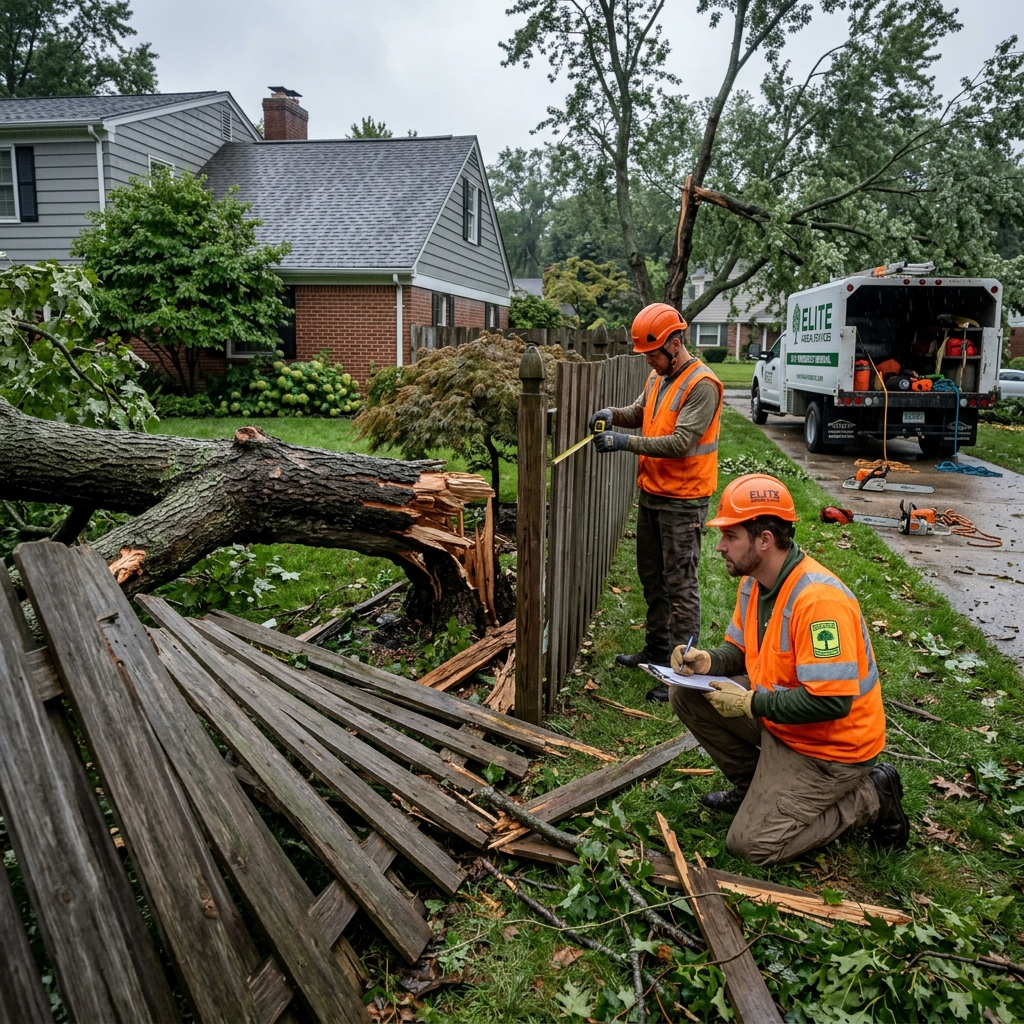
Protect Your Tampa Home: Identify & Address Dangerous Tree Hazards
Identifying dangerous trees in Tampa is crucial for property safety and preventing costly damage. Look for leaning trunks, deep cracks, dead branches, fungal growth at the base, and signs of pest infestation or root upheaval. If you observe any of these red flags, a professional arborist assessment is immediately warranted to mitigate potential hazards.
As a Tampa homeowner, the lush canopy that defines our landscape is both a source of beauty and potential concern. While healthy trees enhance property value and provide shade, a compromised tree can quickly turn into a significant hazard, especially with our region's unique climate challenges. Understanding how to spot the early warning signs of a dangerous tree can save you from property damage, injury, or costly emergency services. Here at Tampa Tree Care Specialists, we prioritize your safety and the health of your urban forest.
What Makes a Tree Dangerous in Tampa's Climate?
Tampa's subtropical climate, characterized by intense summer storms, high humidity, and specific soil conditions, can exacerbate tree vulnerabilities. Several factors contribute to a tree becoming a hazard:
- Hurricane Season Stress: Strong winds and heavy rains during hurricane season (June to November) place immense strain on trees, often exposing existing weaknesses like decayed wood or poor branch structure. Trees already stressed by drought or disease are particularly susceptible to windthrow or limb failure.
- High Humidity & Fungal Diseases: Our constant humidity creates a breeding ground for various fungal pathogens that can cause root rot, cankers, and wood decay, silently undermining a tree's structural integrity. Live Oak decline, frequently seen in our area, often involves fungal components.
- Pest Infestations: Local insects like ambrosia beetles, bark beetles, and termites can bore into tree trunks and branches, weakening the wood from the inside out. Early detection of sawdust or exit holes is critical.
- Sandy Soil & Root Instability: While not universally true for all areas of Tampa, sandy soils can sometimes offer less anchorage for tree roots compared to heavier clay soils, increasing the risk of uprooting, especially for shallow-rooted species during high winds. Compacted soil from construction can also restrict root growth and health.
- Improper Pruning: Previous poor pruning practices, such as topping or leaving large stubs, create wounds that invite disease and pests, leading to decay and weak regrowth that is prone to failure.
Critical Warning Signs Your Tree is a Hazard
Regularly inspecting your trees for these indicators can help you identify a problem before it escalates. Don't wait until a storm hits to notice these red flags:
- Significant Lean: While some trees naturally lean, a sudden or increasing lean, especially after a storm or prolonged wet period, indicates potential root failure or instability. Look for soil heaving around the base on the opposite side of the lean.
- Large Dead or Hanging Branches (Widow Makers): Branches that have lost their leaves, appear brittle, or are hanging precariously are a serious fall risk. They can drop at any time, especially during windy conditions.
- Trunk Cracks or Splits: Vertical cracks, especially those extending deep into the trunk, or splits at major branch unions (often seen with co-dominant stems) signify structural weakness. These can lead to catastrophic failure.
- Extensive Decay or Cavities: Large holes, hollows, or soft, crumbling wood indicate advanced decay. While some trees can live with cavities, extensive decay severely compromises structural integrity.
- Fungal Growth (Conks/Mushrooms): Fungi growing at the base of the trunk, along the trunk, or on major roots often indicate internal decay. These fungi are the fruiting bodies of organisms actively decomposing the tree's wood.
- Root Damage or Upheaval: Severed roots, roots lifting out of the ground, or recent construction activity near the tree can compromise its stability and access to water and nutrients. Look for exposed, girdling roots as well.
- Missing Bark or Cankers: Large areas of missing bark or sunken, discolored patches (cankers) can expose the tree to further disease and indicate a serious health issue.
- Pest Infestation Evidence: Look for sawdust-like material (frass), active borers, exit holes in the bark, or significant defoliation that isn't seasonal.
- Poor Branch Architecture: Branches that grow too close together, rub against each other, or have narrow, V-shaped crotches (instead of strong U-shaped unions) are inherently weaker and more prone to splitting.
The Importance of Professional Tree Risk Assessment in Tampa
While homeowners can identify many visible signs, assessing the true extent of a tree's internal health and structural integrity requires professional expertise. Our certified arborists use specialized knowledge and tools to conduct thorough tree risk assessments, evaluating factors you might not see:
- Internal Decay Detection: We can use tools like resistographs or mallets to detect hidden decay pockets within the trunk that are not externally visible.
- Structural Analysis: Arborists understand tree biomechanics and can identify subtle structural flaws or stress points that indicate a high likelihood of failure.
- Environmental Factors: We assess the tree's surrounding environment, soil conditions, and proximity to targets (homes, driveways, utility lines) to determine the overall risk level.
- Risk Mitigation Strategies: Based on the assessment, we can recommend appropriate solutions, from targeted pruning and cabling/bracing to complete tree removal, ensuring the safest and most effective approach.
Don't just guess; a professional assessment provides clarity and a clear path forward for managing potential hazards on your property. Our services extend beyond Tampa to include expert tree care in Brandon and surrounding communities, ensuring comprehensive coverage.
What Happens During a Professional Tree Service Call?
When you contact Tampa Tree Care Specialists about a potentially dangerous tree, here's what you can expect:
- Initial Consultation & Site Visit: A certified arborist will schedule a visit to your property to inspect the tree(s) in question. You'll have the opportunity to point out your concerns and ask questions.
- Comprehensive Assessment: Our arborist will perform a thorough visual inspection from the ground up, looking for all the warning signs mentioned above. They may use sounding tools to check for internal voids and assess overall tree health.
- Discussion of Findings & Recommendations: We will clearly explain what we've found, the level of risk associated with the tree, and present viable solutions. These might include:
- Targeted Pruning: Removing dead, diseased, or weak limbs to improve structure and reduce weight.
- Cabling/Bracing: Installing support systems to strengthen weak limbs or multi-stemmed trees.
- Tree Removal: If the tree is beyond saving or poses an unacceptable risk, safe and efficient removal will be recommended.
- Monitoring Plan: For less urgent issues, a plan to monitor the tree's condition over time may be suggested.
- Detailed Estimate: You'll receive a transparent, written estimate outlining the recommended services and associated costs. We believe in clear communication and no hidden fees, whether you're in Tampa, or need reliable tree services in St. Petersburg.
- Permitting & Scheduling: For certain tree removals in Tampa, city permits may be required. We can guide you through this process. Once confirmed, we'll schedule the service at your convenience.
- Safe & Efficient Execution: Our experienced crew uses industry-leading equipment and safety protocols to perform the work efficiently and safely, minimizing impact on your property.
- Thorough Cleanup: We pride ourselves on leaving your property cleaner than we found it, removing all debris and ensuring your satisfaction.
Don't wait for a dangerous tree to cause damage or injury. Proactive tree care is essential for maintaining a safe and beautiful landscape in Tampa. Contact Tampa Tree Care Specialists today for a comprehensive tree risk assessment. Our expert arborists are ready to provide you with peace of mind and professional solutions tailored to your property's needs. Call us to schedule your consultation and protect your home and family from potential tree hazards.
Need Professional Assistance?
Get a free, no-obligation estimate from our expert local team today.