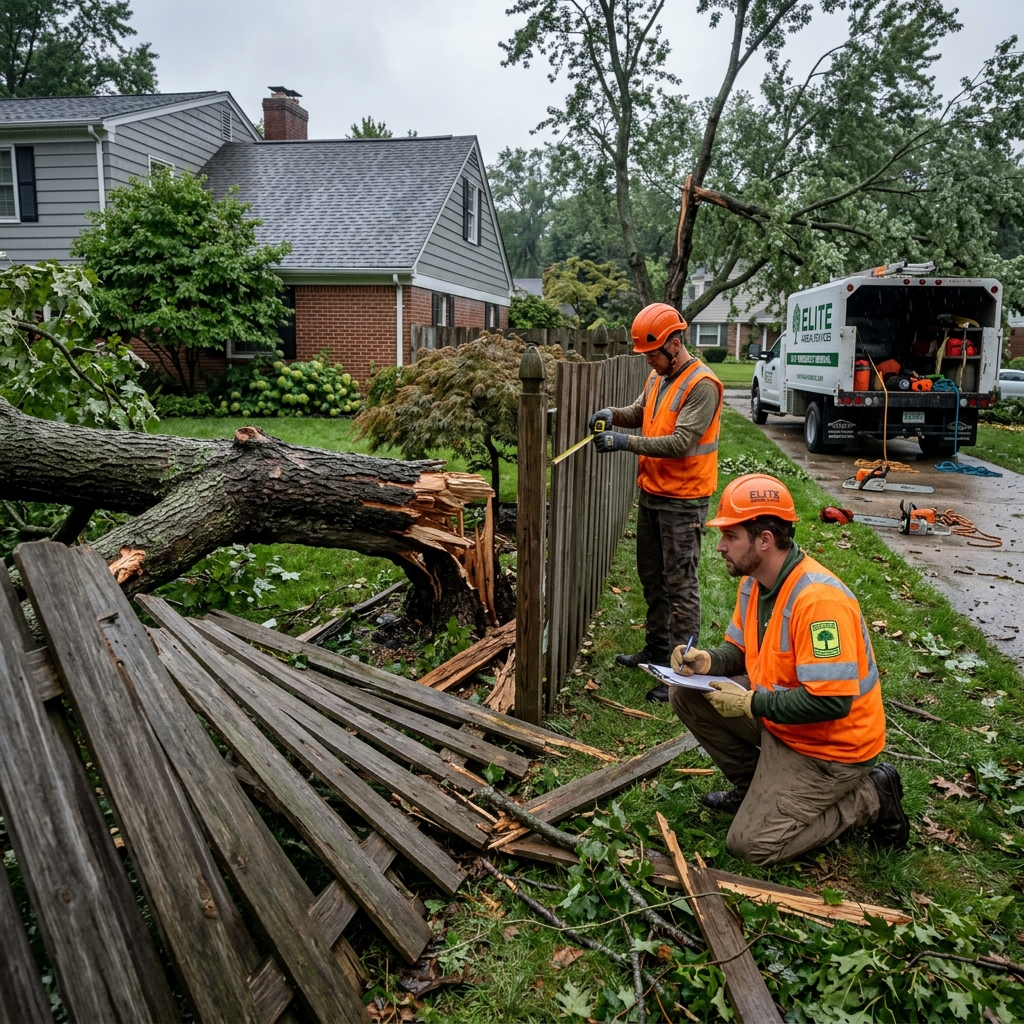
Protect Your Tampa Home: Spotting & Removing Dangerous Trees Early
Identifying and addressing dangerous trees on your Tampa property is paramount for ensuring safety, protecting your home, and avoiding significant liabilities. Look for leaning trunks, dead branches, deep cracks, extensive decay, or signs of pest infestations, which all indicate a tree may pose an immediate threat and requires urgent professional evaluation from certified arborists like Tampa Tree Care Specialists.
Why Are Some Trees in Tampa More Prone to Danger?
Tampa's unique subtropical climate, characterized by abundant rainfall, high humidity, and occasional severe weather events like hurricanes and tropical storms, places particular stress on trees. These environmental factors contribute to conditions that can weaken trees, making them more susceptible to disease, decay, and structural failure. From waterlogged soil compromising root stability to strong winds testing limb integrity, understanding these local challenges is the first step in proactive tree care.
Furthermore, Tampa's rapid urban development often means trees are growing in confined spaces, battling compacted soil, root damage from construction, or improper pruning in the past. These stressors can manifest years later as sudden and catastrophic tree failure. Homeowners and property managers must be vigilant, recognizing that a tree's appearance can be deceiving; a seemingly healthy exterior might hide severe internal decay.
What Are the Critical Signs of a Dangerous Tree in Tampa?
Knowing what to look for can be the difference between routine maintenance and emergency tree removal. Here are the critical indicators that a tree on your property might be hazardous:
- Severe Leaning: A tree that suddenly or increasingly leans significantly, especially if soil is mounding or cracking at the base, is a strong indicator of root instability. This is particularly concerning after heavy rains in Downtown Tampa, where soil can become saturated.
- Large Dead Branches: Dead branches, especially those over 2 inches in diameter, pose a falling hazard. Look for branches without leaves, brittle wood, or fungal growth.
- Cracks in the Trunk or Major Limbs: Vertical cracks, especially deep ones that extend into the wood, indicate structural weakness. These can worsen over time and lead to sudden limb or trunk failure.
- Extensive Decay or Cavities: Soft, crumbling wood, mushroom-like growths (fungal conks), or large hollows in the trunk or major branches are clear signs of internal decay. Even if the tree appears outwardly healthy, significant internal rot can make it unstable.
- Weak Branch Unions: Branches that grow too close together or form a narrow 'V' shape are structurally weaker than those with a wide 'U' shape. These are prone to splitting, especially during high winds typical in Florida.
- Pest Infestation: Swarms of insects, sawdust-like frass, or exit holes in the bark can indicate borers or other pests that compromise the tree's structural integrity. Specific pests like the Ambrosia beetle can quickly devastate local tree species.
- Root Damage: Severed, girdling, or heaving roots can destabilize a tree. Construction activities, soil compaction, or even improper landscape work can damage a tree's critical root system.
If you observe any of these signs, it's crucial not to delay. A professional assessment by an ISA Certified Arborist is the next immediate step.
What Should I Expect During a Professional Tree Risk Assessment?
When you call Tampa Tree Care Specialists for a tree risk assessment, our certified arborists will conduct a thorough, systematic evaluation of your tree's health and structural integrity. Here’s what you can expect:
- Visual Inspection from Base to Crown: Our arborists will examine the tree from all angles, looking for visible signs of stress, disease, decay, and structural defects. This includes checking the root collar, trunk, major scaffold branches, and the crown.
- Root Collar and Base Examination: We’ll look for root flare issues, girdling roots, soil compaction, decay at the base, and fungal fruiting bodies that signal root rot.
- Trunk and Branch Analysis: We’ll identify cracks, cavities, cankers, insect activity, and the integrity of branch attachments. Sounding techniques (tapping the trunk) may be used to detect hollow areas.
- Crown Assessment: We evaluate the overall canopy for deadwood, sparse foliage, discolored leaves, and any signs of disease or pest infestation affecting the tree's vitality.
- Hazard Identification and Target Assessment: We'll identify potential targets—such as your home, vehicles, fences, power lines, or areas where people frequent—that could be impacted if the tree or a part of it fails.
- Risk Rating and Recommendations: Based on the assessment, our arborist will assign a risk rating (e.g., low, moderate, high, extreme) and provide detailed, professional recommendations. These might include pruning for hazard reduction, cabling/bracing for structural support, or in critical cases, tree removal.
- Detailed Report and Quote: You'll receive a clear explanation of our findings, recommended actions, and a transparent quote for any services required.
Our goal is always to preserve healthy trees where possible, but safety remains our top priority. For properties in areas like Plant City, these comprehensive assessments are vital due to differing soil conditions and potential pest pressures unique to agricultural areas.
Understanding Repair vs. Remove: Cost Factors and Decision Making
When a tree is deemed hazardous, the decision often comes down to mitigation (repair) or removal. This choice involves weighing various factors, including cost, the tree's long-term health prospects, and the level of risk involved.
- Pruning for Hazard Reduction: Strategic pruning can often mitigate risks by removing dead or weak branches, reducing canopy weight, or improving structural balance. This is generally less costly than removal and can extend the tree's life. Factors influencing cost include tree size, accessibility, and the amount of deadwood.
- Cabling and Bracing: For trees with weak unions or structural issues, cabling and bracing can provide additional support, preventing splits. This is a specialized service, and costs depend on the tree's size and the complexity of the system needed.
- Tree Removal: If a tree is too far gone, structurally unsound, or poses an extreme risk, removal is the safest option. Tree removal costs in Tampa vary significantly based on:
- Tree Size: Taller, wider trees require more equipment and labor.
- Location and Accessibility: Trees in tight spaces, near structures, or over power lines are more complex and costly to remove.
- Condition of the Tree: A severely decayed or compromised tree may require more careful and slower dismantling.
- Debris Removal: Chipping and hauling away wood and branches adds to the cost. Stump grinding is usually an additional service.
- Emergency vs. Scheduled Service: Emergency removals after a storm are typically more expensive due to urgency and demand.
Tampa Tree Care Specialists provide detailed estimates that break down these costs, ensuring you understand the investment. We always prioritize providing the safest and most economically sound solution for your property.
Don't wait for a storm or an unforeseen failure to address a potentially dangerous tree. Proactive assessment and intervention can save you from significant property damage, injury, and considerable expense. Trust the certified arborists at Tampa Tree Care Specialists to provide expert, reliable tree services in Tampa, FL.
Contact Tampa Tree Care Specialists today at 813-555-TREE for a comprehensive tree risk assessment and ensure the safety and beauty of your property.
Need Professional Assistance?
Get a free, no-obligation estimate from our expert local team today.