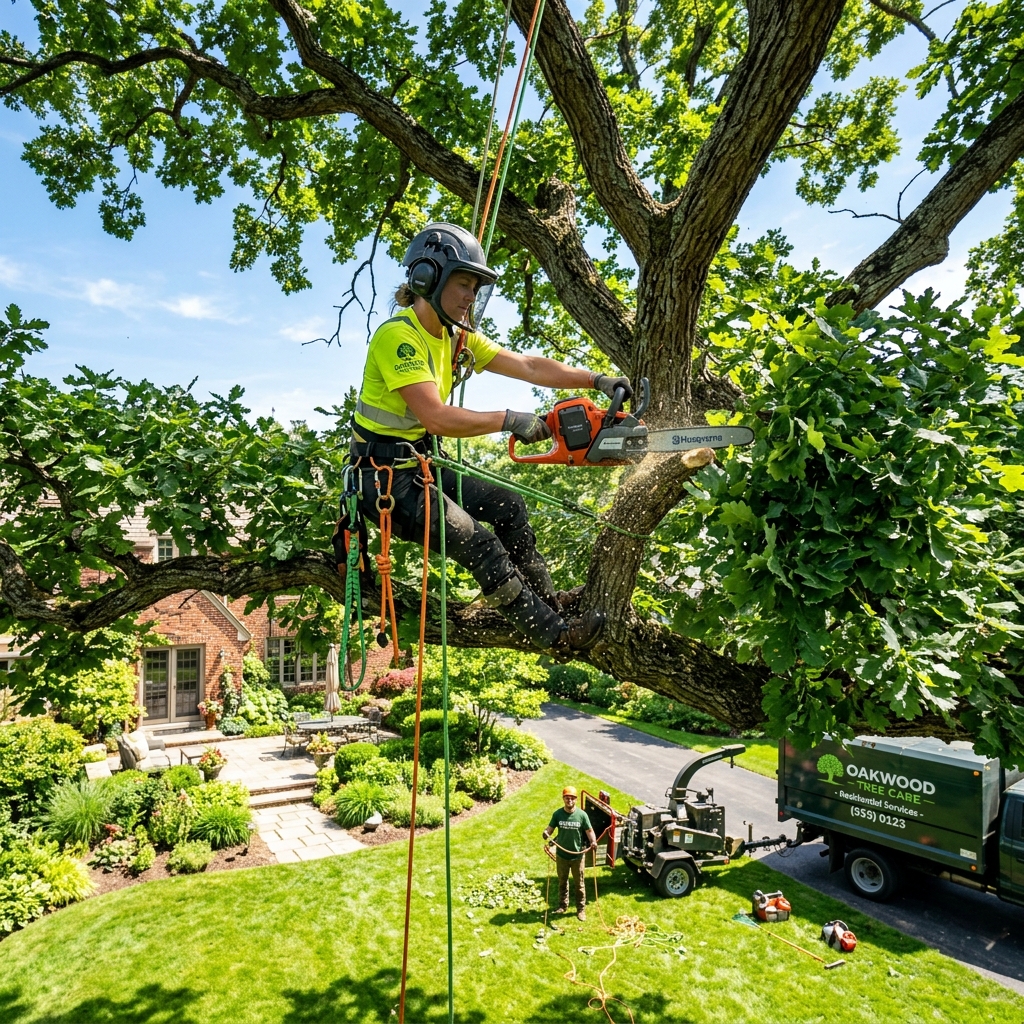
Expert Tree Diagnosis in Tampa: Protect Your Property & Preserve Tree Health
Ensuring the long-term health and safety of your trees in Tampa, FL, requires prompt and accurate professional diagnosis of any distress signs. Early detection by certified arborists can prevent costly damage, mitigate safety risks, and preserve the beauty and value of your landscape. Ignoring subtle symptoms can lead to irreversible decline.
Living in Tampa, we're surrounded by lush, vibrant greenery. Our iconic oak trees, swaying palms, and flowering varieties not only enhance property values but also provide crucial shade and contribute to our city's unique charm. However, these arboreal giants are constantly exposed to a unique set of challenges, from our humid climate and sandy soils to seasonal storms and specific pest pressures. Understanding when your tree is under stress and knowing the importance of professional intervention is paramount for its survival and your property's safety.
What Are Common Tree Problems Affecting Trees in Tampa, FL?
Tampa's subtropical environment, while ideal for growth, also creates a fertile ground for various tree diseases and pest infestations. Identifying these issues early is key to effective treatment. Here are some of the most prevalent concerns we encounter:
- Fungal Diseases: Ganoderma root rot is a major threat to palms and hardwoods, causing significant decay at the base and leading to sudden collapse. Other fungi like oak leaf blister or powdery mildew can weaken trees over time.
- Pest Infestations:
- Ambrosia Beetles: These tiny beetles bore into tree trunks, particularly stressed trees, introducing fungi that can quickly kill the tree.
- Termites: While primarily known for attacking homes, certain termite species can infest live trees, especially older or compromised ones, leading to structural weakness.
- Scale Insects & Aphids: These sap-sucking pests can stunt growth, cause yellowing leaves, and excrete "honeydew," leading to sooty mold.
- Palm Weevils: A destructive pest that can quickly kill palm trees by burrowing into the crown.
- Environmental Stressors:
- Drought & Overwatering: Both extremes can severely stress trees, leading to yellowing, wilting, and susceptibility to other issues.
- Soil Compaction: Common in urban areas and construction sites, compacted soil restricts root growth and nutrient uptake.
- Nutrient Deficiencies: Our sandy soils can be poor in essential nutrients, causing chlorosis (yellowing) or stunted growth.
- Storm Damage: Hurricanes and tropical storms frequently cause limb breakage, uprooting, and structural damage, often requiring urgent assessment.
- Structural Issues:
- Included Bark: A weak attachment where bark is growing inward, preventing proper wood formation and making limbs prone to failure.
- Cracks & Splits: Can indicate internal decay or excessive stress, posing a significant hazard.
- Trunk Cavities: Often a sign of advanced decay, which compromises the tree's structural integrity.
Understanding these specific regional threats allows our arborists to provide targeted and effective solutions for your Tampa property. Whether you're in need of Tree Services in University Square or another part of the greater Tampa Bay area, we understand the local ecosystem.
How Does a Professional Tree Inspection & Diagnosis Work?
Unlike a quick visual scan, a professional tree inspection by a certified arborist is a comprehensive diagnostic process. It goes beyond surface symptoms to uncover the root causes of distress. Here’s what you can expect:
- Initial Visual Assessment: Our arborist will first observe the tree from all angles, noting overall vigor, canopy density, leaf color, and the presence of any obvious pests, fungi, or physical damage.
- Trunk and Branch Examination: We meticulously inspect the trunk for cracks, cavities, cankers, fungal fruiting bodies (like conks), and signs of insect boring. Major branches are checked for structural integrity and proper attachment.
- Root Collar and Root Zone Assessment: The area where the trunk meets the ground (root collar) is crucial. We look for girdling roots, decay, insect activity, and proper drainage. We may gently probe the soil to assess compaction and moisture levels.
- Foliage Analysis: Leaves are examined for discoloration, spots, abnormal growth patterns, and signs of pest feeding or disease infection. We can often identify specific pathogens or nutritional deficiencies from leaf symptoms.
- Use of Specialized Tools: Depending on the suspected issue, arborists may use tools such as:
- Sounding Mallet: To detect hollow spots or decay within the trunk.
- Probes: To assess the extent of decay or soil compaction.
- Magnifying Loupes: For detailed inspection of small insects or subtle disease symptoms on leaves and bark.
- Soil Analysis (Optional): In some cases, a soil sample might be taken to analyze nutrient content, pH, and composition, providing insights into potential root health issues.
- Diagnosis and Recommendation: Based on all gathered data, the arborist will provide a precise diagnosis and recommend the most effective course of action, which could include pruning, fertilization, pest treatment, disease management, or even removal if necessary.
This systematic approach ensures that no potential issue is overlooked, providing you with an accurate understanding of your tree's condition and the best path forward.
When Should You Call a Professional for Tree Diagnosis in Tampa?
While some minor issues might resolve on their own, many symptoms indicate a deeper problem requiring expert intervention. Acting quickly can make the difference between saving a tree and needing costly removal. Here are critical signs that warrant an immediate call to a certified arborist:
- Sudden Leaf Discoloration or Wilting: If leaves suddenly turn yellow, brown, or drop out of season, it’s a red flag.
- Extensive Branch Dieback: Sections of the canopy dying off or appearing brittle.
- Fungal Growth on Trunk or Roots: Mushrooms, conks, or other fungal bodies emerging from the tree's base or trunk are often indicators of internal decay.
- Leaning Tree or Heaving Soil: A sudden lean or soil upheaval around the base can signal root failure or instability.
- Large Cracks or Splits: Especially in the trunk or major limbs, these indicate structural compromise.
- Excessive Sap Flow or Oozing: Abnormal sap production can be a sign of pest boring or internal injury.
- Unusual Pest Activity: Sawdust piles, exit holes, or a large number of specific insects on your tree.
- Changes in Growth: Stunted growth, unusually small leaves, or lack of flowering/fruiting when expected.
- Proximity to Structures: If a tree, regardless of its apparent health, is growing too close to your home, power lines, or other structures, it needs professional assessment for potential hazard.
Hesitation can escalate a treatable condition into a severe hazard or irreversible decline. Our team at Tampa Tree Care Specialists offers prompt and thorough diagnostic services to address these concerns effectively. Residents in areas like Wesley Chapel, for example, frequently deal with specific fungal issues that benefit from early diagnosis.
What Are the Benefits of Early & Accurate Tree Problem Diagnosis?
Investing in professional tree diagnosis offers numerous advantages, extending far beyond simply identifying a problem:
- Cost Savings: Treating a disease or pest infestation early is almost always less expensive than removing a dead or severely damaged tree and replacing it.
- Property Protection: A structurally compromised tree poses a significant risk of falling limbs or even complete failure, which can cause extensive damage to homes, vehicles, and other property. Early diagnosis helps mitigate these risks.
- Preservation of Tree Value: Healthy, well-maintained trees significantly increase property value and curb appeal. Protecting your trees protects your investment.
- Enhanced Safety: Identifying and addressing hazards proactively ensures the safety of your family, pets, and visitors.
- Environmental Benefits: Healthy trees contribute to a healthier environment by producing oxygen, filtering air, providing shade, and supporting local wildlife.
- Long-Term Tree Health: Accurate diagnosis leads to targeted treatments, promoting robust growth and extending the lifespan of your valuable trees.
Don't wait until it's too late. The health of your trees directly impacts the beauty, safety, and value of your Tampa property. Proactive tree care, starting with an expert diagnosis, is the most responsible and economically sound approach.
If you observe any signs of distress or simply want peace of mind about the health of your trees, don't hesitate to reach out. Tampa Tree Care Specialists are your local experts, equipped with the knowledge and tools to provide precise diagnostics and effective solutions. Contact us today for a professional tree health assessment in Tampa, FL, and protect your landscape for years to come!
Need Professional Assistance?
Get a free, no-obligation estimate from our expert local team today.