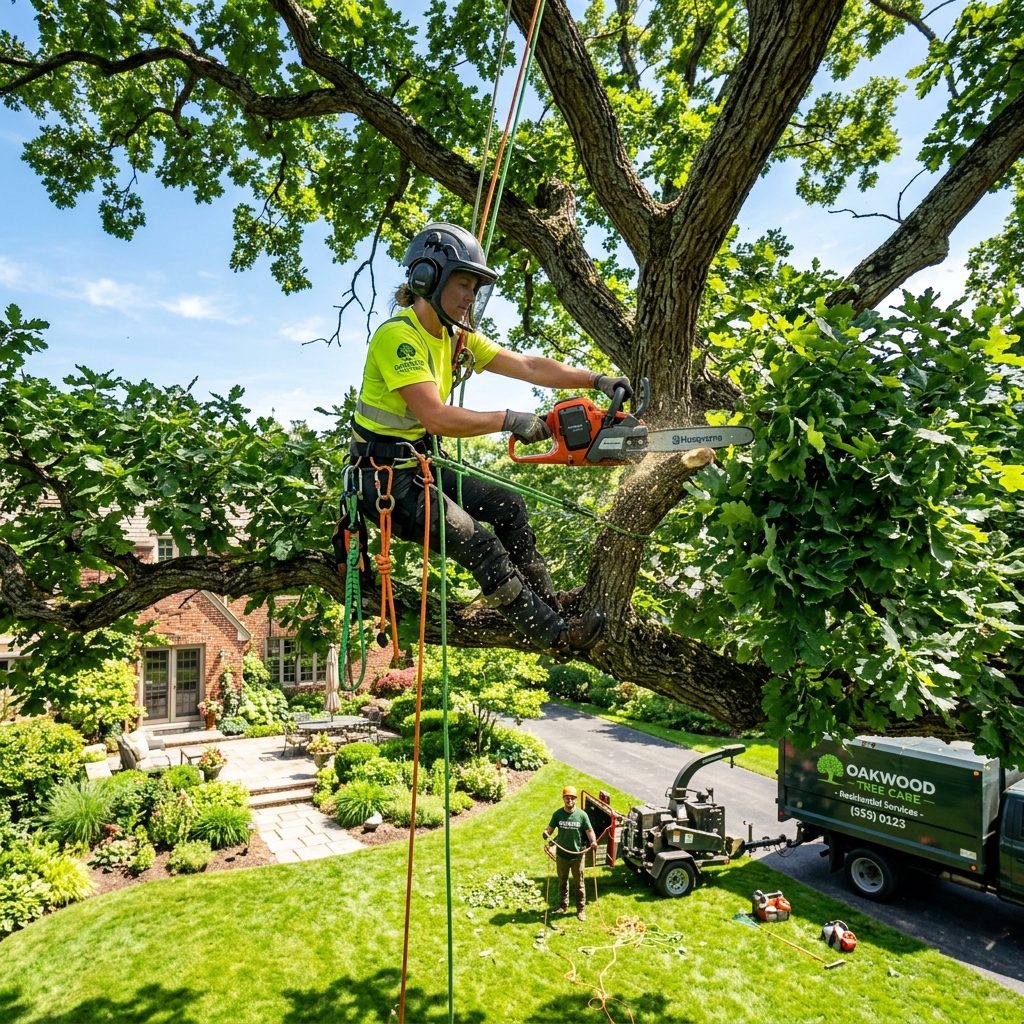
Is Your Tampa Tree Dying? Critical Signs You Need Professional Assessment
Trees are vital to Tampa's landscape, providing shade, beauty, and ecological benefits. However, like all living organisms, they can suffer from disease, pest infestations, storm damage, or simply old age. A dying tree isn't just an aesthetic concern; it can become a serious hazard, posing risks to your home, vehicles, and even loved ones. Recognizing the early warning signs can make all the difference, allowing for timely intervention that could save the tree or, if necessary, ensure its safe removal.
What Are the Key Signs of a Dying Tree in Tampa?
As homeowners and property managers in the greater Tampa Bay area, understanding the indicators of a declining tree is your first line of defense. The subtropical climate of Florida, while beneficial for lush growth, also presents unique challenges, including specific pests, diseases, and hurricane season stressors. Here are the critical signs to look for:
- Extensive Dead or Brittle Branches: While some dead branches are normal, a significant number, especially throughout the crown, indicates serious decline. These branches are often brittle and break easily.
- Bare Patches in the Canopy: If your deciduous tree fails to produce leaves in spring or an evergreen tree has large sections with no needles or leaves, it's a major red flag.
- Sparse or Discolored Foliage: Leaves that are smaller than usual, discolored (yellow, brown, or purplish when they shouldn't be), or wilted are signs of distress. Early defoliation (leaves falling off before autumn) is also a concern.
- Deep Cracks or Splits in the Trunk: Structural cracks, especially those extending deep into the wood, compromise the tree's integrity, making it susceptible to sudden collapse.
- Fungal Growths (Mushrooms/Conks): Fungi growing on the trunk or at the base of the tree often indicate internal decay, as they feed on dead or decaying wood.
- Leaning or Upheaval: A sudden or pronounced lean that wasn't there before, especially if accompanied by soil heaving around the base, suggests root damage or instability.
- Pest Infestation: Visible borers, excessive sap leakage, sawdust-like frass, or numerous exit holes can signal a severe pest problem that is weakening the tree from within.
- Lack of Growth: A general cessation of new growth or significantly stunted growth compared to previous years is a sign the tree is struggling.
These symptoms, especially when combined, strongly suggest a tree requires immediate professional attention. For residents in areas like Davis Islands, recognizing these signs promptly can prevent significant property damage.
Why Act Quickly? Risks of Neglecting a Dying Tree in Florida
Ignoring the warning signs of a dying tree, particularly in a hurricane-prone region like Tampa, can lead to severe consequences:
- Property Damage: Falling branches or a complete tree collapse can cause extensive damage to your home, vehicles, fences, and utility lines. The cost of repairs often far exceeds the cost of proactive tree removal.
- Safety Hazards: A decaying tree poses a direct threat to the safety of your family, pets, and visitors. During high winds or heavy rain, weakened limbs can fall without warning.
- Pest & Disease Spread: Dying trees attract pests and diseases that can then spread to healthy trees on your property or even to neighboring landscapes.
- Increased Liability: If a dying tree on your property falls and damages a neighbor's property or injures someone, you could be held liable.
- Complex Removal: The longer a tree is left to decline, the more unstable it becomes, making removal more dangerous and potentially more expensive for tree service professionals.
Professional Assessment: What to Expect from Tampa Tree Care Specialists
When you suspect a tree is dying, the most responsible action is to contact certified arborists like Tampa Tree Care Specialists. We provide comprehensive assessments to diagnose the problem and recommend the most appropriate solution.
During an assessment, you can expect:
- Thorough Visual Inspection: Our arborists will meticulously examine the entire tree, from root collar to crown, looking for all the signs mentioned above, as well as subtle indicators of stress or disease.
- Diagnostic Testing: Depending on the suspected issue, we may conduct further tests, such as soil analysis, decay detection (e.g., using resistographs), or pest identification.
- Risk Assessment: We evaluate the tree's structural integrity, potential targets (structures, driveways, play areas), and the likelihood of failure, assigning a risk rating.
- Treatment Options: If the tree can be saved, we'll propose viable treatments such as disease management, pest control, cabling/bracing for structural support, or specialized pruning.
- Clear Recommendations: If removal is the only safe and practical option, we will explain why, detail the process, and provide a transparent estimate. We'll also advise on any permitting requirements unique to Tampa.
Our goal is always to preserve healthy trees, but when a tree is beyond saving and poses a risk, safe and efficient removal becomes paramount. Understanding the factors influencing tree service costs in Tampa is also part of our transparent approach.
The Tree Removal Process in Tampa: Safety & Regulations
Tree removal, especially for large or hazardous trees, is a complex operation that should only be performed by trained and insured professionals. In Tampa, specific regulations and permitting requirements often apply, particularly for
Need Professional Assistance?
Get a free, no-obligation estimate from our expert local team today.