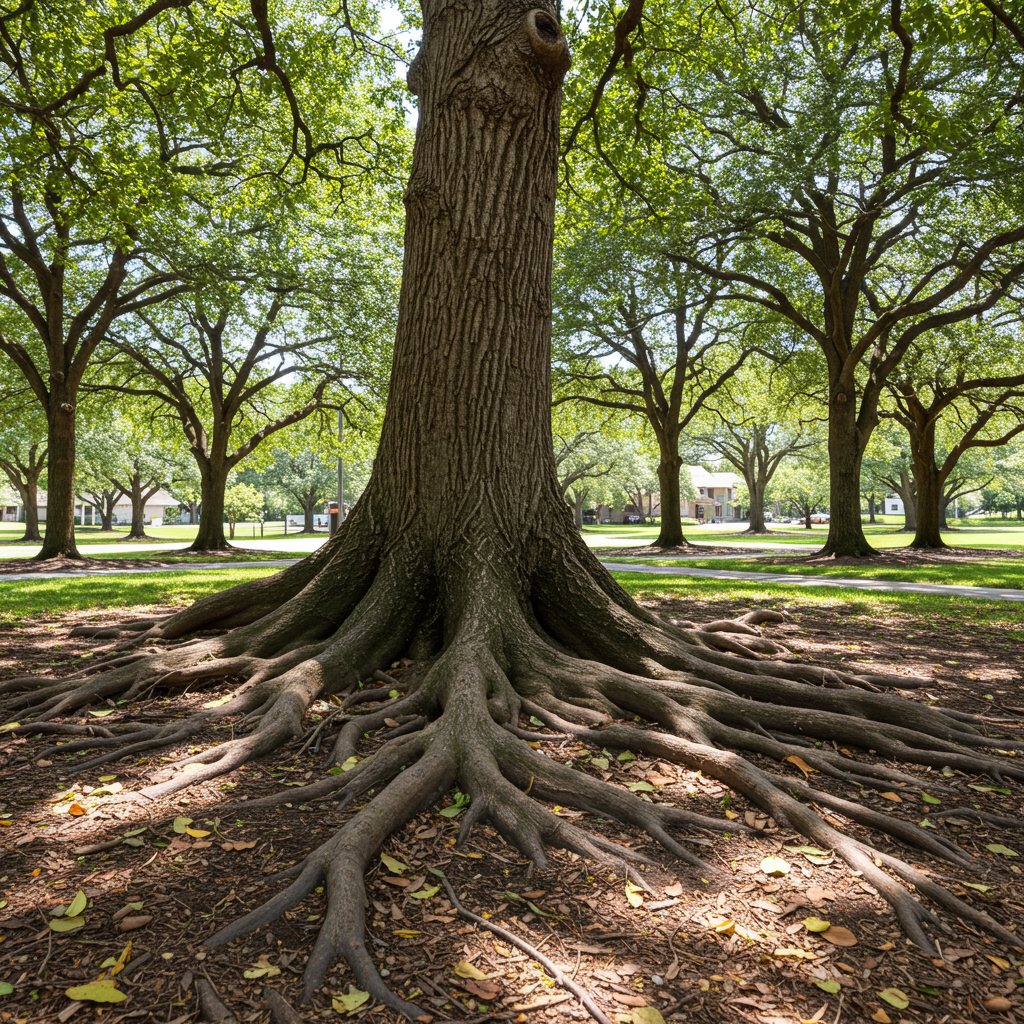
Safeguard Your Tampa Trees: Essential Root Care for Lasting Health
Protecting your Tampa tree roots involves strategic planting, proper mulching, regular soil health assessments, and avoiding compaction. These proactive measures prevent common issues like girdling roots, nutrient deficiencies, and water stress, ensuring your trees establish a strong, healthy foundation for long-term vitality.
While the majestic canopy of a Tampa tree often captures our attention, the true foundation of its health and stability lies hidden beneath the soil. The root system is a complex network responsible for anchoring the tree, absorbing water and nutrients, and storing energy. Neglecting these subterranean heroes can lead to a myriad of problems, from stunted growth and disease susceptibility to outright tree failure, especially in Florida's unique climate and soil conditions. Understanding and implementing essential root care is not just good practice; it's vital for the longevity and vibrancy of your Tampa landscape.
Why are Tampa tree roots so vulnerable to damage?
Tampa's specific environmental factors, coupled with common landscaping and construction practices, make tree roots particularly susceptible to various forms of damage. Unlike roots in undisturbed forests, urban and suburban tree roots face constant threats that can compromise their health and the tree's overall stability.
- Soil Compaction: Heavy foot traffic, vehicle parking, and construction equipment can compress the soil, reducing pore spaces essential for air and water movement. This deprives roots of oxygen and hinders water absorption, leading to stress and decline. Tampa's often clay-rich or heavily disturbed soils are especially prone to compaction.
- Girdling Roots: Often originating from improper planting or container-grown trees, girdling roots grow in a circular pattern around the trunk or other roots. As they grow, they constrict the flow of water and nutrients, effectively strangling the tree over time. This is a common and often fatal issue for many Tampa trees.
- Improper Planting Depth: Planting a tree too deep suffocates the root collar (the transition zone between the trunk and roots), making it vulnerable to rot and disease. Planting too shallow can expose roots to excessive heat, drought, and physical damage.
- Mechanical Damage: Mowers, string trimmers, shovels, and construction activities can directly injure roots. Even seemingly minor cuts can create entry points for pests and diseases, compromising the tree's immune system.
- Water Stress (Too Much or Too Little): Tampa's rainy season can lead to waterlogged soils, suffocating roots due to lack of oxygen. Conversely, prolonged dry spells, especially during establishment, can dehydrate roots. Both extremes are detrimental.
- Nutrient Imbalance: Urban soils often lack the diverse nutrient profile found in natural forest ecosystems. Imbalances or deficiencies can weaken roots and make them less resilient.
What are the common signs of root problems in Tampa trees?
Because tree roots are largely out of sight, identifying problems can be challenging. However, many above-ground symptoms can be indicators of underlying root distress. Early detection is key to successful intervention and saving your tree.
Visible Signs Above Ground:
- Stunted or Slowed Growth: If your tree isn't growing as vigorously as expected or neighboring trees of the same species, root issues might be limiting its ability to absorb necessary resources.
- Premature Leaf Drop or Discoloration: Leaves turning yellow, brown, or dropping early, especially outside of seasonal changes, can signal inadequate water and nutrient uptake due to damaged roots.
- Branch Dieback: The progressive death of branches, often starting at the top or outer canopy, is a classic symptom of significant root damage or disease. The tree can't sustain all its foliage.
- Small, Sparse Foliage: Leaves may appear smaller than normal or the canopy might look thin and transparent, indicating a tree struggling to produce healthy growth.
- Fungal Growth at the Base: Mushrooms or conks appearing on the lower trunk or at the soil line can be a sign of root decay or disease.
- Leaning or Instability: A tree that suddenly begins to lean, or exhibits cracks in the soil around its base, could have severely compromised anchoring roots, posing a significant safety risk.
- Trunk Taper Issues: A lack of proper trunk flare at the base, where the trunk widens into the root system, can indicate a girdling root problem, as the trunk becomes unnaturally cylindrical down to the soil.
How to Inspect for Signs:
While some signs are obvious, others require a closer look. Gently excavate a small amount of soil around the base of the trunk (the root collar) to inspect for:
- Girdling Roots: Look for roots growing directly against or over the main trunk or other major roots, causing constrictions.
- Trunk Flare: Ensure there's a visible flaring out of the trunk where it enters the ground. A telephone pole-like appearance suggests the tree is planted too deep or has girdling roots.
- Root Damage: Check for visible cuts, abrasions, or signs of decay on larger surface roots.
How can Tampa homeowners prevent tree root damage?
Proactive care is the best defense against root problems. Implementing these preventative measures can significantly improve your tree's health and resilience in the challenging Tampa environment.
1. Proper Planting Techniques:
- Plant at Correct Depth: Ensure the root flare is visible and at or slightly above soil grade. Never plant deeper than the nursery container.
- Address Girdling Roots at Planting: Before planting, carefully inspect the root ball. If roots are circling, gently tease them apart or prune them to encourage outward growth.
- Widen the Planting Hole: Dig a hole that is two to three times wider than the root ball, but only as deep as necessary. This provides loose soil for roots to spread into.
2. Strategic Mulching:
- Apply Organic Mulch: A 2-4 inch layer of organic mulch (wood chips, shredded bark) around the base of the tree is incredibly beneficial. Keep mulch a few inches away from the trunk to prevent moisture buildup and rot.
- Benefits of Mulch: Mulch moderates soil temperature, conserves moisture, suppresses weeds (reducing competition for nutrients), and slowly enriches the soil as it decomposes. It also creates a 'no-mow' zone, preventing mechanical damage.
3. Prevent Soil Compaction:
- Establish a Root Protection Zone: Where possible, delineate an area around the tree where heavy equipment, vehicles, and excessive foot traffic are prohibited. The critical root zone typically extends to the drip line of the tree.
- Aeration: For existing compacted areas, professional aeration can improve oxygen penetration and water infiltration.
4. Smart Irrigation Practices:
- Deep and Infrequent Watering: Encourage deeper root growth by watering deeply rather than frequently. This is especially crucial during dry periods in Tampa.
- Monitor Soil Moisture: Check the soil moisture before watering. Overwatering can be as damaging as under-watering.
5. Regular Tree Health Assessments:
- Annual Inspections: Periodically inspect the base of your tree for signs of girdling roots, abnormal fungal growth, or insect activity.
- Professional Root Collar Excavation: If you suspect deep planting or girdling roots, a professional arborist can perform an air-spade excavation to safely remove soil and expose the root collar for assessment and correction.
When should you call a professional for Tampa tree root concerns?
While many preventative measures can be taken by homeowners, certain situations warrant the expertise of a certified arborist. Trusting a professional ensures that complex issues are addressed safely and effectively, protecting both your tree and your property.
- Diagnosis of Unidentified Problems: If your tree shows signs of distress (dieback, poor growth, discolored leaves) and you can't pinpoint the cause, a professional can accurately diagnose root diseases, nutrient deficiencies, or structural problems.
- Girdling Root Correction: The careful removal of girdling roots requires specialized knowledge and tools to ensure the tree's long-term health and stability are not compromised. Incorrect removal can cause more harm than good.
- Extensive Root Pruning: If roots are interfering with foundations, pipes, or paving, professional root pruning may be necessary. An arborist can determine which roots can be safely removed without jeopardizing the tree's health or stability.
- Soil Remediation: For severely compacted or poor-quality soils, an arborist can recommend and implement advanced soil remediation techniques, such as vertical mulching or soil amendments.
- Post-Construction Damage: If construction has occurred near your trees, an arborist can assess potential root damage and recommend recovery strategies.
- Structural Instability: If your tree is leaning or appears unstable, immediate professional assessment is critical to determine the risk of failure and potential mitigation strategies.
Protecting the unseen foundation of your trees is paramount to their overall health and your landscape's beauty and safety. By understanding the common threats to tree roots in Tampa and implementing proactive care, you can significantly extend the life and vitality of your trees. For expert diagnosis, complex root correction, or any advanced tree root care, don't hesitate to reach out to the certified arborists at Tampa Tree Care Specialists. We have the knowledge, experience, and equipment to ensure your trees' roots are healthy, strong, and ready to support a magnificent canopy for years to come.
Need Professional Assistance?
Get a free, no-obligation estimate from our expert local team today.