Protect Your Investment: Spotting & Treating Fungal Tree Diseases in Tampa
Tampa's warm, humid climate, while ideal for lush vegetation, also creates a perfect breeding ground for various fungal diseases that can afflict our beloved trees. These microscopic invaders can compromise tree health, weaken their structure, and, if left untreated, lead to irreparable damage or even tree death. For homeowners and property managers, understanding how to identify and address these issues is paramount to maintaining a vibrant and safe landscape. This guide will walk you through the most common fungal threats in Tampa, how to spot them, and what actions you can take to protect your trees.
What Are the Most Common Fungal Diseases Affecting Tampa Trees?
Tampa's unique environmental conditions contribute to the prevalence of several specific fungal diseases. Humidity and frequent rainfall, coupled with often compacted or poorly drained soils, can stress trees, making them more susceptible to infection. Recognizing these common culprits is the first step in effective management.
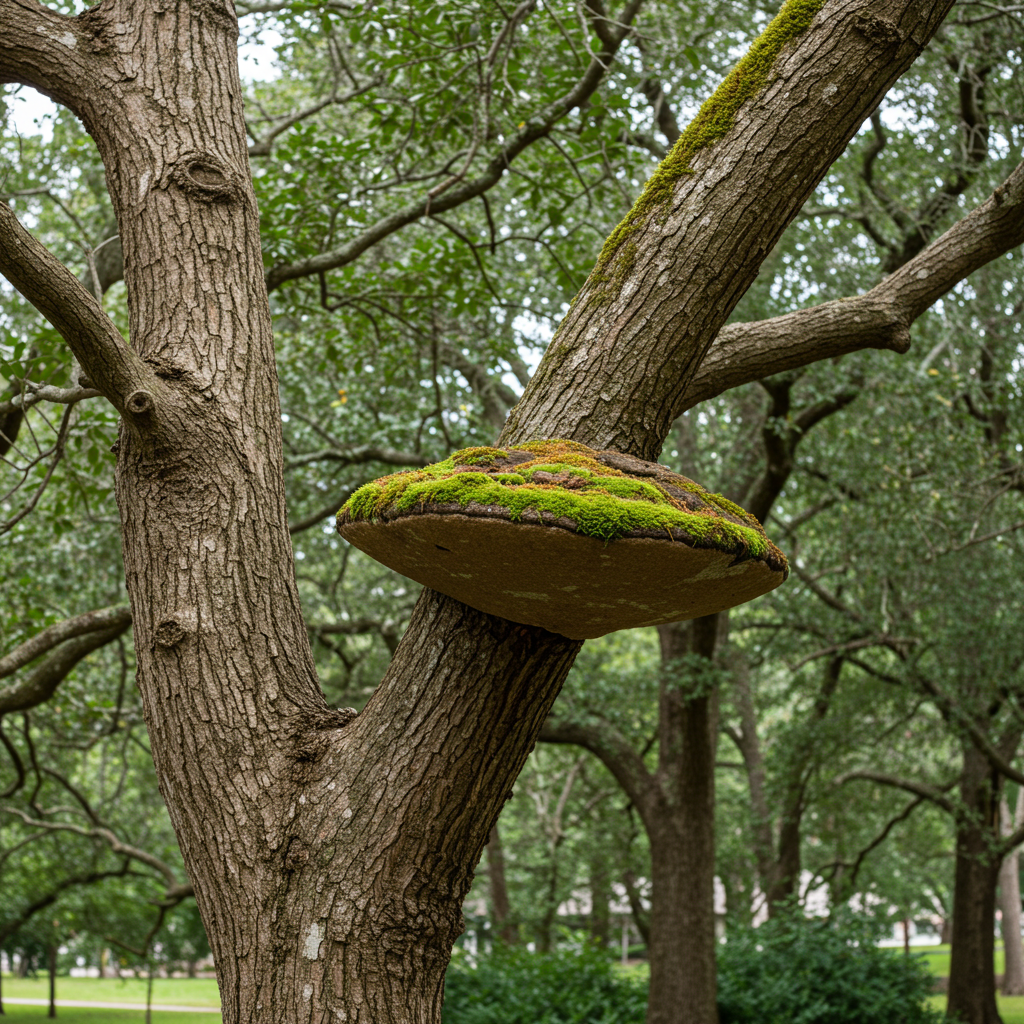
- Ganoderma Root Rot: This devastating disease primarily affects the root collar and base of trees, particularly palms and older hardwoods. It's identified by shelf-like conks (mushrooms) that typically grow at the base of the trunk or on exposed roots. The fungus slowly decays the internal wood, leading to structural instability long before external symptoms appear. There is no chemical treatment once conks appear, making prevention and removal of infected trees crucial for safety.
- Powdery Mildew: Often seen on ornamental trees and shrubs, powdery mildew presents as white, powdery patches on leaves, stems, and flowers. While rarely fatal, severe infections can stunt growth, cause leaf distortion, and reduce aesthetic appeal. It thrives in humid conditions with moderate temperatures and poor air circulation.
- Leaf Spot Diseases: A broad category, leaf spot diseases manifest as circular, discolored lesions on leaves, often brown, black, or tan. Caused by various fungi, they can lead to premature defoliation, especially during periods of prolonged moisture. While usually not life-threatening for mature trees, repeated severe infections can weaken a tree over time.
- Cankers: Cankers are sunken, discolored lesions on stems, branches, or trunks. They are often caused by fungi entering through wounds or stress points. Cankers can girdle branches, interrupting the flow of water and nutrients, leading to dieback. Examples include Botryosphaeria canker and Nectria canker.
- Sooty Mold: This black, powdery fungus grows on the sugary honeydew excreted by sap-sucking insects like aphids, scales, and whiteflies. While sooty mold itself doesn't directly harm the tree, it blocks sunlight, hindering photosynthesis. Its presence is a strong indicator of an underlying insect infestation that needs to be addressed.
Understanding the specific fungal diseases prevalent in our area helps homeowners focus their inspection efforts and provides valuable context when discussing concerns with a professional arborist.
How Can I Identify Fungal Infections in My Trees?
Early detection is key to successful treatment and preventing widespread damage. Regular tree inspections, ideally once a month during the growing season, can help you catch fungal issues before they escalate. Look for these tell-tale signs:
Visual Cues on Leaves:
- Discoloration: Yellowing, browning, or purpling that isn't typical for the season or species.
- Spots or Lesions: Circular, angular, or irregular spots that may be brown, black, tan, or even red. These can vary in size and may have distinct borders.
- Powdery or Downy Growth: A white, gray, or black powdery coating (powdery mildew, sooty mold) or a fuzzy, downy growth on the underside of leaves (downy mildew).
- Distortion or Curling: Leaves that are unusually curled, crinkled, or misshapen, often a sign of fungal interference with growth.
- Premature Dropping: Leaves falling off well before their natural senescence, especially if accompanied by spots or lesions.
Changes in Branches and Trunk:
- Cankers: Sunken, discolored areas on the bark, sometimes with oozing sap or cracked edges.
- Unusual Growths: Mushrooms, conks, or shelf-like fungi growing directly on the trunk, branches, or at the base of the tree. These are often the fruiting bodies of decay fungi.
- Dieback: Progressive death of branches from the tips inward, often starting with small twigs and moving to larger limbs.
- Cracks or Splits: Unexplained cracks in the bark that could be entry points for pathogens.
Overall Tree Health Indicators:
- Wilting: Leaves or entire branches drooping or losing turgor, even when the soil is adequately moist.
- Stunted Growth: A noticeable lack of new growth, or growth that is smaller and less vigorous than expected.
- Poor Vigor: The tree simply looks unhealthy, lacking its usual lushness or vibrancy.
- Unexplained Leaning: A tree suddenly leaning, especially after strong winds, could indicate root rot or internal decay weakening its base.
Always consider the context of the symptoms. For instance, yellowing leaves in autumn are normal for deciduous trees, but yellowing in summer for an evergreen could signal a problem. When in doubt, it's always best to consult with a certified arborist who can accurately diagnose the issue.
What Are the Best Treatment Options for Fungal Tree Diseases?
Treating fungal diseases in trees requires a multi-faceted approach, often combining cultural practices, chemical applications, and professional intervention. The best treatment depends on the specific disease, its severity, and the tree species.
Cultural Practices and Prevention:
- Proper Watering: Avoid overhead watering that keeps foliage wet for extended periods, especially in the evening. Water at the base of the tree to allow leaves to dry quickly. Proper irrigation also reduces tree stress, making them less susceptible.
- Improve Air Circulation: Prune crowded inner branches to improve airflow through the canopy, which helps to dry out foliage and reduce humidity around leaves.
- Sanitation: Promptly remove and dispose of infected leaves, branches, and debris. Do not compost diseased material, as fungal spores can survive and spread. Sterilize pruning tools between cuts and between trees to prevent cross-contamination.
- Soil Health: Maintain healthy soil through proper mulching (avoiding volcano mulching against the trunk) and fertilization. Healthy soil fosters strong root systems and resilient trees.
- Resistant Varieties: When planting new trees, choose species and varieties known to be resistant to common local fungal diseases.
Chemical Treatments (Fungicides):
Fungicides can be effective for certain fungal diseases, especially when applied preventatively or at the early stages of infection. However, they are not a cure-all and should be used judiciously. Different fungicides target different types of fungi:
- Systemic Fungicides: Absorbed by the tree and translocated throughout its tissues, offering protection from within. These are often applied as soil drenches or trunk injections.
- Contact Fungicides: Form a protective barrier on the plant surface, preventing fungal spores from germinating and penetrating. These require thorough coverage and reapplication after rainfall.
It's crucial to correctly identify the fungal disease before applying any fungicide, as the wrong product can be ineffective or even harmful. Always follow label instructions carefully for mixing ratios, application methods, and safety precautions. For many diseases, especially root rots, fungicides may not be a viable solution.
Pruning Infected Branches:
For diseases like cankers and localized leaf spots, careful pruning of infected branches can prevent the spread of the fungus. This should be done during dry weather to minimize spore dispersal. Always make clean cuts back to healthy wood, and disinfect your tools before and after each cut. However, extensive pruning should always be carried out by a professional to avoid causing further stress or damage to the tree.
When Should I Call a Professional Arborist for Tree Fungus?
While some minor fungal issues can be managed by a vigilant homeowner, many situations warrant the expertise of a certified arborist. Knowing when to call in the professionals from Tampa Tree Care Specialists can save your tree and prevent more significant problems.
You should contact a professional arborist if:
- You cannot identify the disease: Accurate diagnosis is crucial. An arborist has the knowledge and diagnostic tools to identify specific pathogens and recommend the most effective course of action.
- The tree is large or mature: Treating large trees, especially with systemic fungicides or significant pruning, can be complex and dangerous without the proper equipment and expertise.
- The disease is advanced or severe: If a significant portion of the tree is affected, or if you suspect a serious issue like Ganoderma root rot, professional intervention is critical. They can assess the tree's structural integrity and determine if it poses a safety risk.
- Chemical treatments are required: Applying fungicides, especially systemic ones, requires precise knowledge of dosage, timing, and application methods. Certified arborists are licensed and experienced in the safe and effective use of these products.
- The tree is showing signs of structural weakness: Any leaning, large cracks, or significant decay (especially at the base) indicates a potential hazard. An arborist can perform a comprehensive risk assessment.
- You're dealing with recurring problems: If fungal issues keep coming back despite your best efforts, a professional can investigate underlying environmental factors or tree stress contributing to the recurring infections.
A certified arborist from Tampa Tree Care Specialists brings invaluable expertise. They can provide a thorough tree health assessment, accurately diagnose fungal diseases, and develop a customized treatment plan that considers the specific species, environmental conditions, and the overall health of your landscape. Their services often include targeted pruning, fungicide application, soil amendment, and ongoing monitoring to ensure your trees remain healthy and resilient against Tampa's unique challenges. Don't wait until it's too late – protecting your trees often starts with a professional consultation.
Need Professional Assistance?
Get a free, no-obligation estimate from our expert local team today.