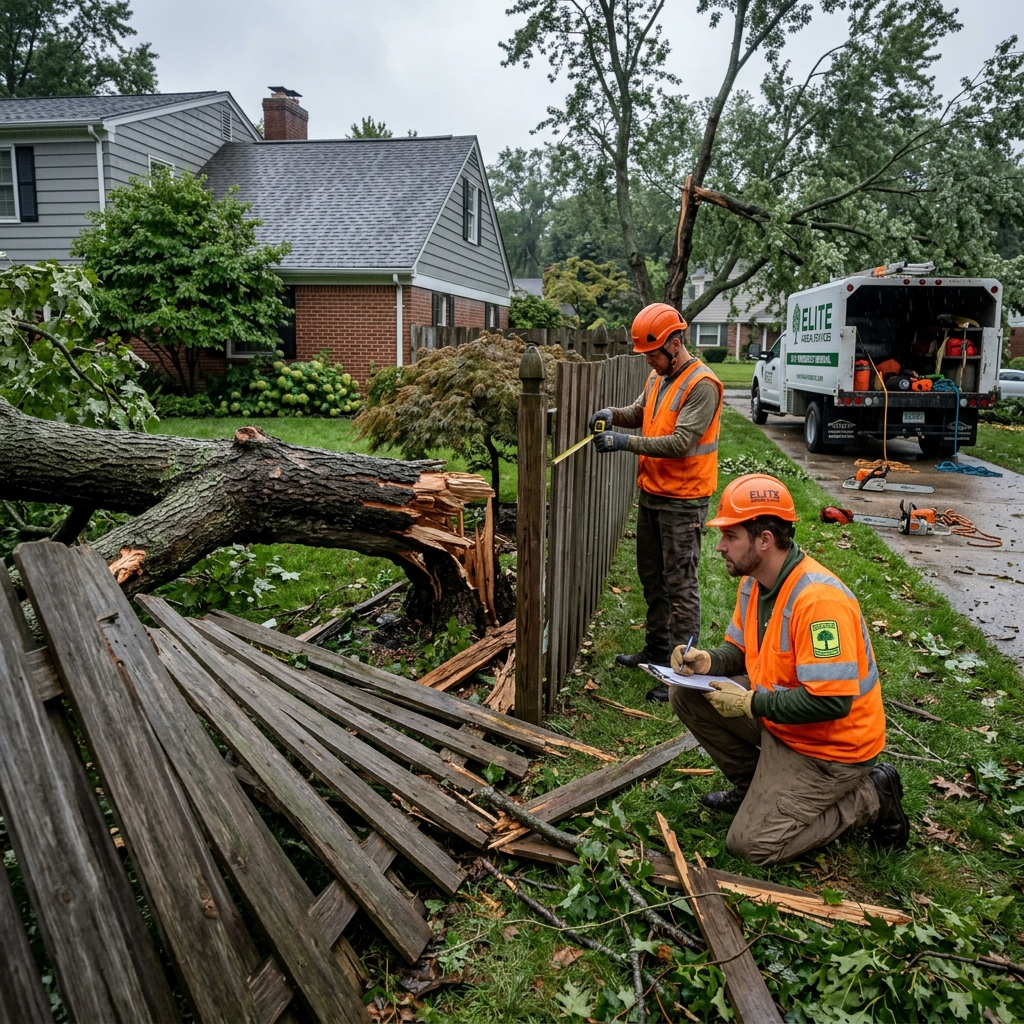
Protect Your Tampa Home: Spotting Hazardous Tree Signs Before Disaster Strikes
Identifying a hazardous tree in Tampa, FL, is crucial for property safety and preventing significant damage. Look for visible signs like severe leaning, large dead branches, deep cracks, trunk cavities, or fungal growth at the base. These indicators often signal structural instability, especially intensified by Tampa's storm season, requiring immediate assessment by a certified arborist to mitigate risks.
As a homeowner in Tampa, your trees contribute immensely to your property's beauty, shade, and value. However, an uninspected or neglected tree can quickly turn into a significant liability, especially with Florida's unpredictable weather patterns. Hurricanes, tropical storms, and even severe thunderstorms can expose weaknesses in trees, leading to fallen limbs, property damage, or even injury. Recognizing the early signs of a hazardous tree is your first line of defense against potential disaster. This guide will help you understand what to look for and when it's time to call the professionals at Tampa Tree Care Specialists.
What Makes a Tree Hazardous in Tampa's Unique Climate?
Tampa's subtropical climate, characterized by high humidity, abundant rainfall, and a distinct hurricane season, plays a significant role in tree health and potential hazards. Certain conditions, exacerbated by our local environment, can accelerate a tree's decline:
- Frequent Storms & High Winds: Our annual hurricane season (June-November) puts immense stress on trees. Trees with structural defects, decay, or weak branch attachments are more prone to failure during high winds.
- Heavy Rains & Saturated Soils: Prolonged periods of heavy rain can saturate the soil, making it less stable and increasing the likelihood of root plate failure and tree uprooting, particularly for large, shallow-rooted species.
- Pests & Diseases: Tampa's warm, humid environment is a breeding ground for various tree pests (like Ambrosia beetles or Cuban May beetles) and diseases (such as Ganoderma butt rot or lethal yellowing in palms). These can rapidly compromise a tree's structural integrity.
- Rapid Growth & Species Selection: Fast-growing trees common in Tampa, while providing quick shade, may develop weaker wood or structural issues if not properly maintained. Knowing the characteristics of your specific tree species is vital.
- Construction Stress: Development in areas like Busch Gardens Area can compact soil, sever roots, or otherwise stress trees, leading to delayed but significant decline and hazard potential.
Clear Visual Indicators: Spotting the Red Flags on Your Tree
Many hazardous tree conditions can be identified through visual inspection. Regular observation of your trees can help you catch problems early. Here's what to look for:
- Excessive Leaning: While some trees naturally lean, a sudden or increasing lean, especially if accompanied by soil heaving around the base, indicates root instability and imminent failure.
- Large Dead Branches: Dead branches, particularly those greater than 2 inches in diameter, can fall at any time. Look for branches without leaves, brittle wood, or an absence of bark.
- Cracks in the Trunk or Major Limbs: Vertical or horizontal cracks, especially deep ones extending into the wood, signal structural weakness. These can worsen over time and lead to sudden limb or trunk failure.
- Cavities and Holes: Large holes or cavities in the trunk or main branches are signs of internal decay. The bigger the cavity, the less sound wood remains to support the tree.
- Fungal Growth at the Base or Trunk: Mushrooms, conks, or other fungal fruiting bodies emerging from the base of the tree or along the trunk often indicate internal decay, particularly root rot or butt rot.
- Cankers: Localized dead areas on branches or trunks that are often sunken or discolored can indicate disease. Severe cankers can girdle and kill branches or even the entire tree.
- Pest Infestations: Visible signs of pests like extensive sawdust, exit holes, galleries under bark, or significant defoliation can point to severe internal damage or stress.
- Girdling Roots: Roots that grow around the trunk or other roots, rather than spreading outwards, can constrict the tree's vascular system, leading to decline and instability.
- Foliage Problems: Sparse canopy, discolored leaves (yellowing or browning out of season), or premature leaf drop can signal underlying health issues that may compromise the tree's structural integrity.
Hidden Dangers: Understanding Internal Decay and Root Issues
Sometimes, a tree can appear outwardly healthy, yet harbor significant internal dangers. This is where professional assessment becomes critical. Internal decay, often caused by fungi, can hollow out a tree's trunk or major limbs from the inside, making it highly susceptible to failure. Similarly, problems below ground, within the root system, can compromise the entire tree's stability.
- Root Decay: Difficult to spot without professional tools, root decay weakens the anchoring system of the tree. Symptoms above ground might include general decline, smaller leaves, or dieback in the crown, but the primary danger lies unseen.
- Soil Compaction: Heavy foot traffic, vehicles, or construction can compact the soil around a tree's roots, depriving them of oxygen and water. This stress can lead to root death and overall tree decline, making it vulnerable.
- Grade Changes: Adding or removing soil around a tree's base, common in new landscaping or construction projects, can severely impact root respiration and access to moisture, leading to stress and potential decline.
- Storm Damage (Post-event Assessment): Even after a storm, a tree might look intact, but hidden cracks, internal splintering, or compromised root systems could be present. A professional arborist can identify these delayed-onset hazards.
Beyond Identification: When to Call Tampa Tree Care Specialists
While identifying potential hazards is important, assessing the true risk and developing a mitigation plan requires the expertise of a certified arborist. Attempting to manage or remove hazardous trees yourself can be incredibly dangerous and lead to further damage or serious injury. Here's why and when to call us:
- Professional Risk Assessment: Our certified arborists can perform a comprehensive tree risk assessment, evaluating the tree's health, structural integrity, and the likelihood of failure, along with potential targets. This detailed analysis helps determine the best course of action.
- Safe & Efficient Removal: If a tree is deemed hazardous and irreparable, our team has the specialized equipment, training, and insurance to safely remove it, minimizing risk to your property and surroundings. This is especially vital for large trees or those in confined spaces, such as many found in Hunter's Green neighborhoods.
- Targeted Pruning & Mitigation: Sometimes, a hazardous tree can be saved through strategic pruning to remove weak or dead limbs, or cabling and bracing to support compromised structures. Our experts can advise on and implement these solutions.
- Emergency Tree Services: In the event of storm damage or a sudden tree failure, Tampa Tree Care Specialists provides prompt and reliable emergency services to address immediate hazards and secure your property.
- Proactive Health Management: Regular tree health assessments and preventative maintenance, including proper pruning and pest/disease management, can prevent many hazardous conditions from developing in the first place.
Don't wait for a storm to bring down a dangerous tree. Proactive tree care protects your investment, ensures the safety of your loved ones, and preserves the beauty of your Tampa landscape. If you've spotted any of the signs discussed or have concerns about a tree on your property, it's time to act.
Contact Tampa Tree Care Specialists today for a professional hazardous tree assessment and ensure your property remains safe and beautiful. Call us for expert tree services throughout Tampa, FL.
Need Professional Assistance?
Get a free, no-obligation estimate from our expert local team today.