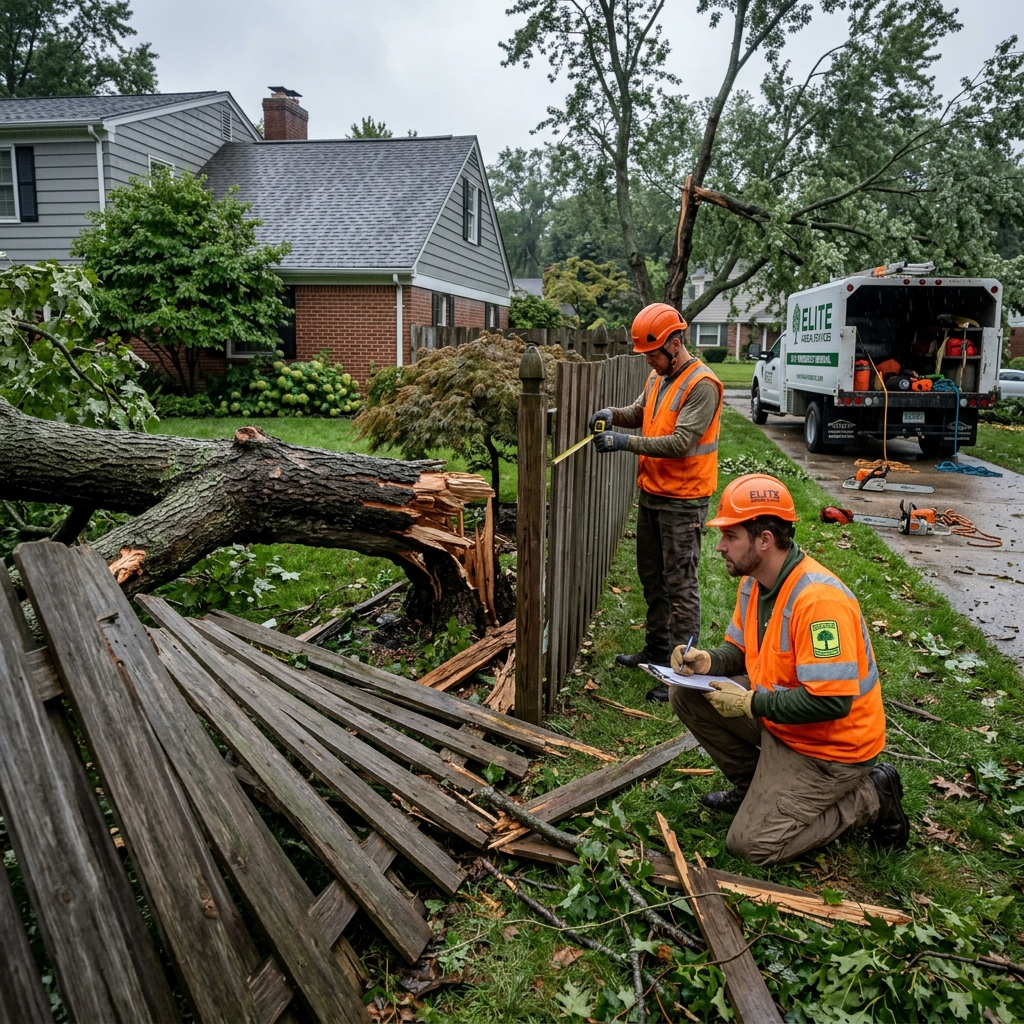
Protect Your Investment: Uncovering Hidden Tree Dangers in Tampa, FL
Unseen tree dangers in Tampa, FL, frequently stem from root rot, internal decay, severe structural weaknesses, or pest infestations, often exacerbated by the region's intense weather and high humidity. Proactive professional assessment by certified arborists is critical to identifying these hidden threats before they lead to costly damage or personal injury, ensuring the safety and longevity of your property and landscape.
As a Tampa homeowner, your property's value and safety are paramount. While many focus on the aesthetic appeal of their trees, it's the unseen issues lurking beneath the surface or within the canopy that pose the most significant threats. Our subtropical climate, characterized by abundant rain, high humidity, and the occasional severe storm, creates a unique environment where tree health can rapidly decline without obvious external signs. Ignoring these subtle indicators can lead to devastating property damage, costly emergency removals, or even personal injury. At Tampa Tree Care Specialists, we prioritize your safety by uncovering and mitigating these hidden dangers before they escalate.
What Are the Most Common Unseen Tree Dangers in Tampa?
Tampa's environment presents several specific challenges that contribute to hidden tree dangers. Understanding these can help you recognize the signs:
- Internal Decay and Cavities: Often initiated by wounds from improper pruning, storm damage, or pest entry, decay can spread extensively within a tree's trunk or major limbs while the outer layer appears healthy. Fungi are frequently the culprits, breaking down wood fibers from the inside out, creating hollows that severely compromise structural integrity.
- Root Rot and Poor Root Structure: Our sandy soils and heavy rainfall can contribute to poor drainage, leading to oxygen deprivation and fungal infections in root systems. Girdling roots, which grow around the trunk or other roots, can also slowly strangle the tree, hindering nutrient uptake and weakening its base. These issues are almost entirely invisible above ground until the tree exhibits severe decline or falls.
- Included Bark and Co-Dominant Stems: These are structural weaknesses where two or more stems grow too closely together, trapping bark within the union. This creates a weak attachment point prone to splitting, especially during high winds or heavy rainfall common in Tampa. It's a common issue in older oak trees and can be hard to spot without an arborist's eye.
- Pest Infestations: While some pests are obvious, many destructive insects and diseases operate subtly. For instance, specific borers leave tiny, inconspicuous holes, while certain fungal diseases cause internal discoloration before external symptoms like wilting or dieback become apparent.
- Post-Storm Stress and Delayed Damage: After a hurricane or tropical storm, a tree might appear fine, but internal cracks, root damage, or compromised structural integrity might not manifest for weeks or even months. These are ticking time bombs that require careful, professional post-storm assessment.
How Can I Identify a Hazardous Tree on My Property?
While many dangers are hidden, your trees often provide subtle clues if you know what to look for. Regular observation of your trees, especially after heavy weather, is your first line of defense:
- Fungal Growths: Mushrooms, conks, or shelf-like fungi growing on the trunk, at the base, or on exposed roots are a strong indicator of internal decay. These are the fruiting bodies of decay fungi and signal significant wood rot.
- Cracks and Splits: Vertical or horizontal cracks in the trunk or major limbs, particularly near branch attachments, can indicate structural failure or weakness. Even small cracks can worsen over time.
- Heaving Soil: If the soil around the base of the tree appears to be bulging or cracking, especially on one side, it could be a sign of root plate movement, indicating severe root damage or an impending fall.
- Dead or Hanging Branches: While some deadwood is natural, large dead branches (especially if they're still attached high in the canopy) are extremely dangerous and can fall without warning.
- Abnormal Leafing or Dieback: Patches of abnormally small, discolored, or sparse leaves, or sections of the canopy that are dying back prematurely, can signal root problems, disease, or internal stress.
- Sawdust or Frass: Small piles of sawdust-like material (frass) near the base of the tree or emerging from holes in the bark are sure signs of wood-boring insect activity.
- Leaning: While some trees naturally lean, a sudden or increasing lean, especially accompanied by soil heaving, is a critical warning sign.
When Should I Call a Professional Tree Service in Tampa?
Recognizing these signs is a great start, but accurately assessing the risk and determining the appropriate action requires the expertise of a certified arborist. You should contact Tampa Tree Care Specialists immediately if:
- You observe any of the hazardous signs mentioned above.
- Your tree has been subjected to severe weather (high winds, lightning strike, flooding).
- A tree is close to your home, garage, power lines, or frequently used areas.
- You are planning construction or landscaping work near a tree's root zone.
- You notice excessive sap weeping or unusual growths on the bark.
- You need a second opinion after a storm or a previous assessment.
Whether you're in the bustling heart of Ybor City or managing a larger property in New Tampa, our assessment services are crucial for protecting your investment and ensuring safety. Don't wait for a storm to bring a hidden problem to light.
What Does a Professional Tree Risk Assessment Involve?
A comprehensive tree risk assessment by Tampa Tree Care Specialists goes far beyond a casual glance. Our certified arborists utilize industry-leading techniques and knowledge to provide a thorough evaluation:
- Visual Inspection: Our arborists conduct a detailed ground-level inspection, examining the entire tree from the roots to the crown. They look for external signs of decay, structural defects, pest activity, and environmental stressors.
- Advanced Diagnostics (if necessary): For more ambiguous cases, we may use specialized tools. This could include a resistograph, which measures the drilling resistance of wood to detect internal decay without significantly harming the tree, or sonic tomography, which creates a 'sound picture' of the internal wood structure.
- Site Assessment: We evaluate the tree's surroundings, considering its proximity to targets (structures, driveways, play areas), soil conditions, water availability, and exposure to wind.
- Risk Rating: Based on the inspection, the arborist assigns a risk rating, considering the likelihood of failure, the potential size of the failing part, and the severity of the impact.
- Detailed Report and Recommendations: You will receive a comprehensive report outlining our findings, including identified defects, associated risks, and recommended actions. These recommendations may range from routine pruning and cabling/bracing to complete tree removal, always with safety and tree health as top priorities.
How Can I Prevent Future Tree-Related Property Damage?
Preventative care is always less costly and less stressful than reactive emergency services. Here’s how you can minimize future tree-related property damage:
- Schedule Regular Inspections: Annual or bi-annual professional tree risk assessments are crucial for early detection of potential issues, allowing for proactive, cost-effective solutions.
- Implement Proper Pruning: Pruning by a certified arborist removes dead, diseased, or weak branches, improves tree structure, and reduces wind resistance, significantly lowering the risk of storm damage.
- Ensure Adequate Watering and Nutrition: Healthy trees are more resilient. Proper watering, especially during dry spells, and appropriate fertilization can enhance a tree's vitality and ability to resist pests and diseases.
- Choose the Right Tree for the Right Place: When planting new trees, select species appropriate for Tampa's climate and soil, and consider their mature size relative to structures and overhead lines.
- Protect Tree Roots: Avoid compacting soil, heavy machinery, or excessive digging around the root zone, which can severely stress a tree.
Don't wait for a crisis to discover the hidden dangers within your trees. Proactive care and expert assessment are the best ways to ensure the safety, beauty, and longevity of your Tampa landscape. Protect your family and your property by addressing tree risks today.
Contact Tampa Tree Care Specialists for a professional tree risk assessment. Our certified arborists are ready to provide expert evaluation and customized solutions to safeguard your property from unseen tree threats in Tampa, FL. Call us today!
Need Professional Assistance?
Get a free, no-obligation estimate from our expert local team today.