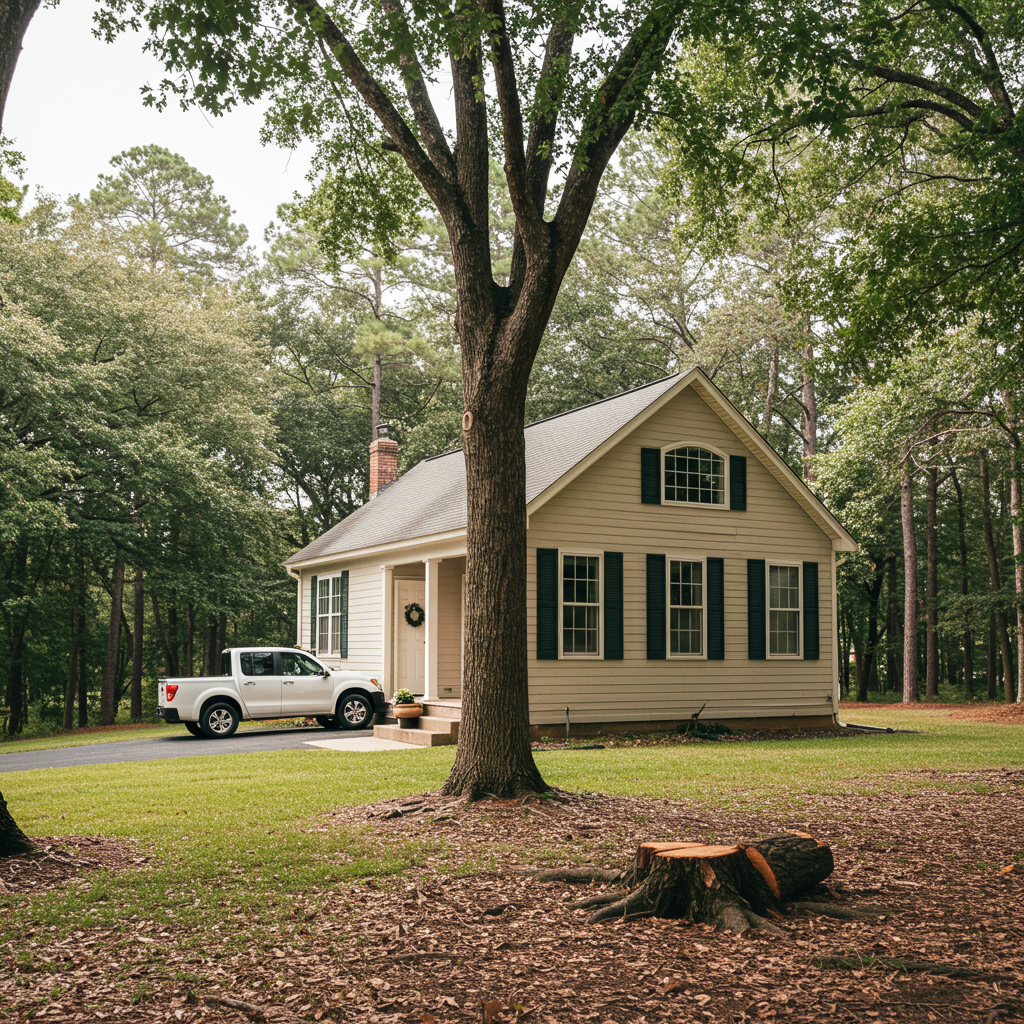
Safeguard Your Tampa Home: Spotting Hidden Tree Hazards Before They Strike
Identifying hidden tree hazards in Tampa involves observing subtle changes in tree structure, bark, leaves, and surrounding soil. Look for leaning, cracks, dead branches, fungal growth, root damage, and unusual leaf discoloration. Early detection by a qualified arborist is crucial for mitigating risks and ensuring property safety.
As a homeowner in Tampa, your property's trees are more than just beautiful landscaping elements; they're living organisms that require attention and care. While healthy trees enhance curb appeal and provide shade, a tree with hidden hazards can pose significant risks to your property, vehicles, and even loved ones. Understanding how to identify these silent threats is paramount, especially given Tampa's susceptibility to severe weather. Proactive identification and mitigation are key to ensuring the long-term safety and beauty of your landscape.
What Are The Common Warning Signs of a Hazardous Tree in Tampa?
Identifying a hazardous tree isn't always obvious; many dangers lurk beneath the surface or in subtle changes visible only to a trained eye. However, there are several key indicators that Tampa homeowners can look for:
- Significant Leaning: While some trees naturally grow with a slight lean, a sudden or pronounced lean, especially after a storm, can indicate root damage or an unstable base. If the ground around the base appears disturbed or uplifted, this is a major red flag.
- Cracks in the Trunk or Major Limbs: Longitudinal cracks, vertical splits, or deep fissures are signs of structural weakness. These can compromise the tree's integrity, making it prone to failure during high winds or heavy rain.
- Dead or Hanging Branches: Large dead branches (often called "widowmakers") are a clear hazard. They can fall unexpectedly, causing damage or injury. Even smaller dead branches indicate stress or disease that could spread.
- Cankers or Cavities: Cankers are localized areas of dead bark, often sunken or discolored. Cavities are hollows in the trunk or branches. Both indicate decay and compromise the tree's structural strength, creating weak points that can lead to breakage.
- Fungal Growth at the Base or on the Trunk: Mushrooms, conks, or other fungal growths emerging from the base of the tree or along its trunk are often signs of internal decay. Fungi are nature's decomposers, and their presence usually means the wood is rotting from the inside out.
- Extensive Root Damage: Roots are a tree's anchor. Construction activity, trenching, or even severe storms can damage critical roots, leading to instability. Look for exposed, girdling, or rotting roots near the tree's base.
- Weak Branch Unions: Branches that grow too close together or form a narrow "V" shape are prone to splitting. These tight angles can trap bark, preventing proper wood formation and creating a weak point that fails under stress.
- Excessive Branch Dieback or Sparse Foliage: A significant amount of dead twigs and branches throughout the canopy, or an unusually sparse crown with yellowing or undersized leaves, often indicates stress, disease, or pest infestation, all of which can lead to structural weakness.
Each of these signs warrants immediate attention. Ignoring them can turn a minor issue into a costly and dangerous problem, especially with Tampa's unique environmental challenges.
How Can Tampa's Climate Contribute to Tree Weaknesses and Hazards?
Tampa's tropical climate, while beautiful, presents specific challenges that can weaken trees and exacerbate hidden hazards. Understanding these environmental stressors helps homeowners anticipate and prevent problems.
- Hurricane and Tropical Storm Activity: Tampa is no stranger to high winds, heavy rainfall, and saturated soils that accompany hurricanes and tropical storms. These events can:
- Uproot Trees: Especially those with shallow root systems or pre-existing decay.
- Break Branches: Weak or dead branches are easily snapped by strong gusts.
- Cause Structural Damage: High winds can twist and strain trunks, creating cracks or widening existing weaknesses.
- Saturate Soil: Waterlogged soil reduces root stability, making trees more susceptible to falling.
- Prolonged Heat and Drought: Even though Tampa gets a lot of rain, periods of drought or extreme heat can stress trees. Stressed trees are more susceptible to pests and diseases, which can compromise their structural integrity over time.
- Lightning Strikes: Tampa experiences frequent thunderstorms. Direct lightning strikes can splinter trunks, strip bark, and even ignite fires, leaving trees severely damaged and hazardous. Even near misses can cause internal damage that's not immediately visible.
- Soil Conditions: The sandy, often nutrient-poor soils in many parts of Tampa can affect tree health and root development, potentially leading to instability if not properly managed.
Because of these factors, regular professional tree inspections in Tampa are not just a luxury, but a necessity to maintain a safe and healthy landscape.
What Are the Risks of Neglecting Potential Tree Hazards on My Tampa Property?
Ignoring the warning signs of a hazardous tree can lead to a cascade of negative consequences, ranging from inconvenient to catastrophic.
- Property Damage: This is perhaps the most immediate and costly risk. A falling tree or limb can crush roofs, smash fences, damage vehicles, destroy sheds, and break windows. Repair costs can be exorbitant, and insurance claims can be a hassle.
- Personal Injury or Fatalities: The most severe risk involves harm to people. Falling branches or trees can cause serious injuries or, tragically, even fatalities to family members, visitors, or passersby.
- Legal Liability: If a hazardous tree from your property falls and damages a neighbor's property or injures someone, you could be held legally responsible. This can result in costly lawsuits, particularly if negligence can be proven.
- Spread of Pests and Diseases: A weakened or decaying tree is a magnet for pests and diseases. If left untreated, these issues can spread to healthy trees on your property or even to neighboring landscapes, creating a wider problem.
- Increased Removal Costs: Procrastination often means increased costs. A tree that could have been saved with proactive pruning or treatment might eventually require full removal, which is typically more expensive, especially if it's large and in a difficult location.
- Decreased Property Value: An unkempt landscape with visible tree hazards detracts from your home's curb appeal and can significantly lower its market value. Potential buyers may be deterred by the perceived risks and maintenance burden.
Understanding these risks underscores the importance of proactive tree care and professional assessment to safeguard your investment and peace of mind.
When Should I Call a Professional for a Tree Hazard Assessment in Tampa?
Knowing when to seek expert help is crucial for effective tree hazard mitigation. While homeowners can spot obvious signs, a certified arborist provides an unparalleled level of expertise.
You should contact a professional tree service like Tampa Tree Care Specialists if you observe any of the following:
- After a Significant Storm: Even if a tree appears fine, high winds or heavy rain can cause subtle internal damage or loosen root systems that aren't immediately visible. Post-storm inspections are vital.
- You Notice Any of the Warning Signs: If you see leaning, cracks, extensive dead branches, fungal growth, or other indicators mentioned above, it's time for an expert assessment.
- Your Tree is Near Structures or High-Traffic Areas: Trees overhanging your home, garage, driveway, children's play areas, or public sidewalks pose a higher risk due to potential targets.
- The Tree is Mature or Very Old: Older trees often have accumulated stress, internal decay, and can become brittle with age, increasing their likelihood of failure.
- Before and After Construction: Construction activities near trees can damage roots and compact soil, leading to delayed stress and potential hazards years later. An assessment can help prevent issues.
- Every Few Years for Preventative Care: Even if no obvious problems exist, a routine inspection every 2-3 years by a qualified arborist can identify developing issues before they become critical, saving you money and stress in the long run.
Early intervention is always more effective and less costly than emergency response after a tree has already failed.
What Does a Professional Tree Hazard Assessment Involve?
When you call Tampa Tree Care Specialists for a tree hazard assessment, you're investing in expert eyes and advanced knowledge. Here’s what a typical professional assessment entails:
- Comprehensive Visual Inspection: Our certified arborists will perform a thorough ground-level inspection, examining the entire tree from the roots to the crown. We look for all the warning signs discussed earlier, including bark integrity, leaf discoloration, branch architecture, and overall tree vigor.
- Root Collar and Soil Examination: A critical part of the assessment is examining the root collar (where the trunk meets the ground) for girdling roots, decay, or other abnormalities that compromise stability. We also assess soil conditions for compaction, drainage issues, or signs of root disturbance.
- Sounding and Probing: Using specialized tools, arborists can sound the trunk and major limbs to detect internal hollows or decay pockets. Probes can also help determine the depth of decay.
- Tree Risk Assessment (TRA): This systematic process evaluates the likelihood of a tree or tree part failing and the probability of impact on a target (e.g., house, person, car). It considers:
- Likelihood of Failure: How likely is the tree to break or fall?
- Likelihood of Impact: If it fails, how likely is it to hit something?
- Consequences of Failure: How severe would the damage or injury be?
- Advanced Diagnostic Tools (If Needed): For complex cases or unclear internal issues, tools like a resistograph (which drills a tiny core to assess wood density) or sonic tomography (which creates a decay map) might be employed to get a precise understanding of internal structural integrity.
- Personalized Recommendations: Based on the assessment, our arborists provide clear, actionable recommendations. These might include:
- Pruning: To remove dead, diseased, or hazardous branches, or to improve tree structure.
- Cabling and Bracing: To provide supplemental support to weak limbs or multiple leaders.
- Fertilization or Pest/Disease Management: To improve overall tree health and resilience.
- Monitoring: For trees with minor issues that don't pose immediate danger.
- Tree Removal: As a last resort, when the tree is deemed an unacceptable risk that cannot be mitigated otherwise.
By entrusting your trees to Tampa Tree Care Specialists, you gain peace of mind knowing that experienced professionals are safeguarding your property with thorough, science-backed assessments.
Don't let hidden tree hazards become a visible disaster. Proactive tree care is the most effective way to protect your Tampa property and ensure the safety of your family and community. By learning to recognize the subtle warning signs and understanding the impact of Tampa's unique climate, you empower yourself to act decisively. When you identify potential threats, or simply want the assurance that your trees are healthy and safe, the certified arborists at Tampa Tree Care Specialists are here to help. We offer comprehensive tree hazard assessments and expert solutions, from targeted pruning to safe removals, ensuring your trees enhance your landscape without posing risks. Contact us today for a professional evaluation and safeguard your investment.
Need Professional Assistance?
Get a free, no-obligation estimate from our expert local team today.