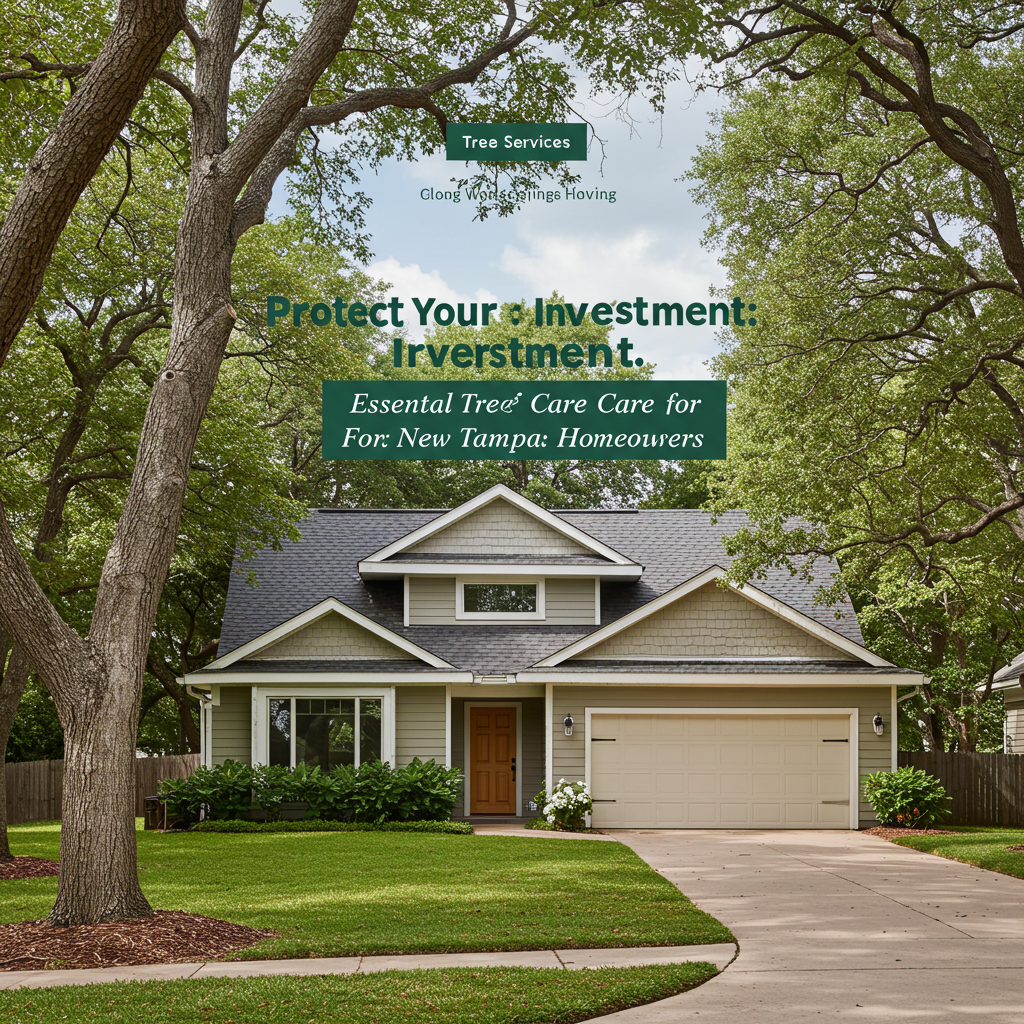
Protect Your Investment: Essential Tree Care for New Tampa Homeowners
New Tampa homeowners should immediately assess their property's trees for health and safety risks, especially concerning storm resilience and proximity to structures. Understanding Tampa's unique climate, common tree species, and local regulations is crucial for proactive care, ensuring your landscape thrives while protecting your investment from potential hazards.
What Are the First Steps for Tree Assessment on Your New Tampa Property?
Moving into a new home in Tampa is exciting, but it also brings new responsibilities, especially when it comes to your landscape. Your trees are not just aesthetic features; they are living assets that require attention. The very first step for any new homeowner should be a comprehensive tree assessment. This isn't just about looking for obvious problems; it's about understanding the current health, potential risks, and long-term needs of your arboreal assets.
- Visual Inspection for Immediate Concerns: Walk around your property and carefully observe each tree. Look for:
- Dead or Dying Branches: These are not only unsightly but can pose significant safety risks, especially during high winds common in Tampa.
- Leaning Trunks or Exposed Roots: A tree leaning significantly or with a large portion of its root system exposed might indicate instability, particularly concerning after heavy rains.
- Cracks or Cavities: These can be entry points for pests and diseases, or signs of internal decay that compromise the tree's structural integrity.
- Pest Infestations: Look for unusual leaf discoloration, defoliation, sticky residue, or visible insects on the trunk and branches.
- Proximity to Structures: Note any branches rubbing against your roof, power lines, or encroaching on your neighbor's property.
- Identify Tree Species: Knowing what type of trees you have is crucial, as different species have unique care requirements and common vulnerabilities. Live Oaks, Sabal Palms, and various fruit trees are prevalent in Tampa, each with specific needs regarding watering, pruning, and fertilization.
- Check for Past Pruning Practices: Inspect cuts on branches. Poor pruning can lead to decay, weakened structure, and a shortened tree lifespan. Look for large, uneven cuts or excessive removal of inner canopy.
- Understand Local Regulations: Tampa has specific tree ordinances regarding removal, protection, and sometimes even planting. Before making any significant changes, familiarize yourself with these rules to avoid fines or complications. This is particularly important for 'grand trees' or those within specific conservation areas.
By taking these initial steps, you begin to build a picture of your new landscape's health and identify areas that might need professional attention sooner rather than later. This proactive approach saves money and prevents potential hazards down the line.
How Does Tampa's Climate Affect Tree Health and What Should New Homeowners Watch For?
Tampa's subtropical climate, while beautiful, presents unique challenges and considerations for tree health. The high humidity, abundant rainfall, and intense sun, coupled with the ever-present threat of hurricane season, mean trees here require specific care tailored to these conditions. New homeowners often underestimate the impact of these factors.
- Hurricane Season Preparedness: This is arguably the most critical aspect of Tampa tree care. From June to November, your trees are at risk from strong winds and heavy rains. Weak, diseased, or poorly maintained trees can become dangerous projectiles, causing severe property damage or injury. Look for:
- Weak Branch Unions: Points where two or more branches connect poorly, creating a 'V' shape rather than a strong 'U'. These are prone to splitting.
- Overly Dense Canopies: A thick canopy acts like a sail, catching more wind and increasing the likelihood of the tree uprooting or snapping. Professional thinning allows wind to pass through more easily.
- Root Damage or Disturbance: Construction nearby, or even recent heavy rains, can compromise a tree's anchorage.
- Pests and Diseases Thrive in Humidity: Tampa's warm, humid environment is a breeding ground for various tree pests and fungal diseases. Common issues include Lethal Yellowing in palms, various cankers, root rot, and infestations by scale insects or whiteflies. Vigilant observation is key:
- Discolored Leaves: Yellowing, browning, or unusual spots.
- Stunted Growth or Leaf Drop: Indicates stress or disease.
- Visible Fungus or Growths: Mushrooms or conks growing on the trunk or base are signs of internal decay.
- Holes in Bark or Sawdust: Can indicate borers or other wood-destroying insects.
- Soil Conditions and Watering: While Tampa gets ample rain, periods of drought can occur. Conversely, excessive irrigation or poor drainage can lead to root rot. Understand your soil type – often sandy in many parts of Tampa – and adjust watering practices accordingly. Young trees, in particular, need consistent moisture to establish their root systems.
- Salt Spray & Heat Stress: For homes closer to the coast, salt spray can impact tree health. All trees can suffer from heat stress, especially during prolonged dry spells, leading to leaf scorch or overall decline.
Understanding these climatic influences helps new homeowners anticipate potential problems and take preventative measures, ensuring their trees remain healthy and resilient year-round.
When Should a New Tampa Homeowner Call a Professional Tree Service?
While DIY might be tempting for small gardening tasks, tree care, especially in a region like Tampa, is often best left to certified professionals. Knowing when to pick up the phone can prevent costly mistakes, ensure safety, and promote the long-term health of your trees.
- For a Comprehensive Initial Assessment: Immediately after moving in, especially if you're unfamiliar with tree care or Tampa's specific challenges. A professional arborist can provide a detailed health report, identify potential hazards, and recommend a long-term care plan tailored to your property. They have the expertise to spot subtle signs of stress, disease, or structural weaknesses that an untrained eye might miss.
- When Dealing with Large or Hazardous Trees: Any tree that is tall, close to your home, power lines, or involves working at heights demands professional attention. The risks associated with climbing, using chainsaws, and felling large branches are substantial. Amateurs can cause severe injury, property damage, or even death.
- Before, During, or After Hurricane Season: Proactive hurricane preparation, including thinning dense canopies and removing weak limbs, is a job for experts. After a storm, assessing damage and safely removing downed or unstable trees is paramount. Never approach a tree tangled in power lines – always call for professional help.
- Signs of Disease or Pest Infestation: If you observe any of the disease or pest symptoms mentioned earlier, contact a professional. Early diagnosis and treatment can save a tree; improper or delayed intervention can lead to its demise and potentially spread to other trees.
- For Specialized Pruning or Shaping: Proper pruning promotes healthy growth, enhances tree structure, and can improve fruit production. Techniques like canopy reduction, thinning, or crown raising require a deep understanding of tree biology. Incorrect cuts can permanently damage a tree or encourage weak growth.
- Tree Removal or Stump Grinding: These are highly specialized tasks that require heavy equipment, permits, and significant expertise. Attempting DIY removal of a large tree is extremely dangerous and can result in severe property damage or injury.
Investing in professional tree care ensures the job is done safely, efficiently, and correctly, protecting both your property and the health of your trees.
What Are Common Tree Care Mistakes New Tampa Homeowners Make?
Even with the best intentions, new homeowners in Tampa can inadvertently make mistakes that harm their trees. Avoiding these common pitfalls is crucial for fostering a healthy and vibrant landscape.
- Over-Pruning or Improper Pruning: This is perhaps the most frequent and damaging mistake.
Need Professional Assistance?
Get a free, no-obligation estimate from our expert local team today.