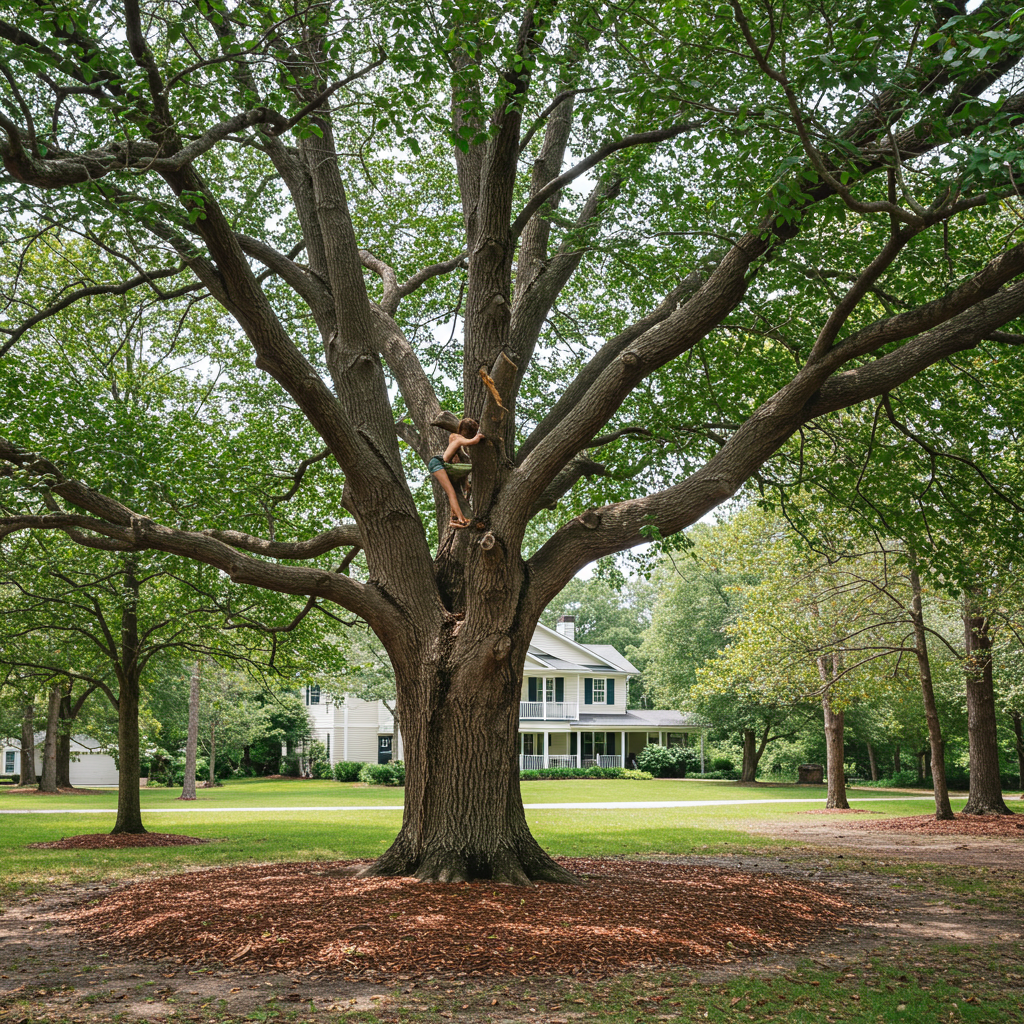
Unlock Your Tree's Health Secrets: A Tampa Homeowner's Guide to Early Detection
Tampa homeowners should routinely check their trees for signs like discolored or sparse leaves, cracked bark, unusual growths, visible fungi, leaning trunks, dead branches, and root collar damage. These indicators often signal underlying stress, disease, or structural weaknesses requiring prompt attention to prevent further damage or hazards.
Your trees are more than just landscape features; they are vital assets that enhance your property's value, provide shade, and contribute to the beauty of your Tampa home. However, like any living organism, trees can fall victim to diseases, pests, and environmental stressors, especially in Florida's unique climate. Early detection of these issues is paramount. A proactive approach to tree health assessment can prevent minor problems from escalating into costly emergencies or irreversible damage. By understanding what to look for, you empower yourself to act quickly, safeguarding both your trees and your property.
Why Should Tampa Homeowners Regularly Inspect Their Trees?
Regular tree inspections are a critical aspect of responsible property ownership in Tampa. Beyond aesthetic appeal, healthy trees provide numerous benefits and unhealthy trees pose significant risks. Here’s why a consistent inspection routine is so important:
- Property Value Preservation: Healthy, well-maintained trees significantly boost curb appeal and property value. Conversely, declining or hazardous trees can detract from it and even lead to costly removal or repair bills.
- Safety and Hazard Prevention: Dead or diseased branches, weakened trunks, or compromised root systems can become serious hazards, especially during Tampa's storm season. Falling limbs can cause extensive damage to homes, vehicles, and even lead to personal injury. Regular checks help identify and mitigate these risks before they become dangerous.
- Tree Longevity: Early diagnosis of pests, diseases, or nutritional deficiencies allows for timely intervention, often saving a tree that might otherwise be lost. This extends the life of your valuable landscape assets.
- Cost Savings: Addressing tree problems in their early stages is almost always less expensive than dealing with a full-blown crisis, such as emergency tree removal after a storm or extensive disease treatment that could have been prevented.
- Environmental Health: Healthy trees contribute to a healthier environment by providing oxygen, reducing carbon dioxide, and supporting local wildlife. Maintaining your trees supports the broader Tampa ecosystem.
- Compliance with Local Regulations: In some cases, neglected or hazardous trees might fall under city ordinances, leading to potential fines or mandatory removal if not properly addressed.
By investing a small amount of time in regular tree assessments, you are making a substantial investment in the health, safety, and value of your Tampa property.
What Visual Cues Indicate Tree Stress or Disease in Tampa?
Your trees communicate their health status through various visual signals. Learning to interpret these cues is the first step in early problem detection. Here are key indicators of stress or disease common in Tampa:
- Leaf Abnormalities:
- Discoloration: Yellowing leaves (chlorosis) can indicate nutrient deficiencies, root problems, or certain diseases. Brown spots might suggest fungal infections or pest damage.
- Premature Leaf Drop: Losing leaves outside of their natural shedding season is a significant stress indicator, often due to drought, disease, or pests.
- Sparse Canopy: A thinning canopy where you can see more sky than leaves suggests overall tree decline, often from root issues, chronic stress, or widespread pest infestation.
- Unusual Growths: Galls (abnormal swellings) or powdery mildew on leaves are signs of specific pest or fungal activity.
- Bark Conditions:
- Cracks or Peeling: While some species naturally shed bark, deep cracks, vertical splits, or large areas of peeling bark can indicate internal stress, sun scald, or disease entry points.
- Cankers: Sunken, discolored lesions on the bark often signify fungal or bacterial infections.
- Insect Holes/Frass: Small, perfectly round holes, D-shaped holes, or sawdust-like material (frass) around the trunk or branches are strong indicators of wood-boring insects.
- Slime Flux: A dark, foul-smelling liquid oozing from cracks in the bark suggests bacterial wetwood.
- Branch Dieback:
- Deadwood: Branches that are brittle, lack leaves, and break easily are dead. Extensive deadwood, especially in the upper canopy, points to a serious underlying issue or past environmental stress.
- Unusual Branch Growth: Stunted growth, distorted shapes, or witches' brooms (dense, brush-like clusters of twigs) are often caused by pests or pathogens.
- Trunk and Base Observations:
- Fungi/Mushrooms: The presence of conks or mushrooms growing on the trunk or at the base of the tree is a strong sign of internal decay and often indicates root rot, especially species like Ganoderma in Tampa's climate.
- Cavities: Open wounds or holes in the trunk or major branches can compromise structural integrity.
- Sap Exudation: Excessive sap flow can be a response to insect feeding, fungal infection, or wounds.
By regularly walking around your trees and observing these details, you can catch problems early, giving your tree the best chance for recovery.
How Can I Spot Hidden Dangers in My Tampa Tree's Structure?
Beyond surface-level symptoms, trees can harbor hidden structural weaknesses that pose significant risks, especially during high winds or heavy rains common in Tampa. Identifying these dangers requires a closer look:
- Leaning Trunks: A tree that has suddenly or gradually developed a significant lean might have compromised roots or a weakened trunk base. While some trees naturally grow at an angle, a noticeable change warrants investigation. Look for soil upheaval around the base on the side opposite the lean.
- Cracks and Splits:
- Main Stem/Leader Cracks: Vertical cracks running up the main trunk or major leaders are critical structural defects. These can indicate internal decay or excessive stress.
- Branch Junction Cracks: Splits or cracks where branches meet the main trunk, especially in narrow, V-shaped unions, suggest weak attachment points prone to failure.
- Weak Branch Unions: Branches that grow too close together, forming narrow, V-shaped angles, are often weakly attached and prone to splitting, especially compared to strong U-shaped unions. Included bark (bark growing inward between two stems) within these unions further exacerbates weakness.
- Heaving Soil or Exposed Roots: If the soil around the base of the tree appears to be mounding or lifting, or if large structural roots are cracking the ground, it can indicate a failing root system. This is a critical sign of instability.
- Girdling Roots: Roots that grow in a circular pattern around the trunk, restricting its growth and the flow of water and nutrients, can slowly kill a tree and weaken its structural support. These are often hidden beneath the soil surface but can sometimes be seen constricting the root flare.
- Proximity to Structures or Power Lines: While not a sign of tree health, a tree growing too close to your home, shed, fence, or power lines inherently presents a hazard if it fails. Regular assessment of its growth direction and proximity is crucial.
- Internal Decay (Difficult to Spot): Often, external signs like fungi or cavities are the only visible indicators of internal decay. A tree may appear healthy on the outside while its core is severely compromised. This is where professional assessment is particularly vital.
A thorough structural assessment requires attention to detail and an understanding of tree mechanics. When in doubt, always consult with a professional arborist.
When Is It Time to Call a Professional Arborist in Tampa?
While DIY tree health checks are invaluable for early detection, there are many situations where the expertise of a professional, certified arborist from Tampa Tree Care Specialists is not just recommended, but essential. Knowing when to call in the experts can prevent escalating issues and ensure the safety and longevity of your trees.
You should contact a professional arborist if you observe any of the following:
- Significant Signs of Disease or Pest Infestation: If your tree exhibits widespread leaf discoloration, extensive branch dieback, numerous insect holes, or visible fungal growths (like large conks), it's likely dealing with a serious issue that requires expert diagnosis and treatment.
- Structural Concerns: Any noticeable leaning, large cracks or splits in the trunk or major branches, heaving soil around the base, or weak branch unions are critical warning signs. These often indicate a high-risk situation that could lead to tree failure.
- After a Storm: Even if a storm didn't completely fell your tree, it might have caused unseen damage, such as internal cracks, root damage, or compromised structural integrity. A post-storm assessment is vital to prevent future hazards.
- Prior to Construction or Landscaping Changes: Any work near your trees, especially excavation, can severely impact their root systems. An arborist can advise on protective measures to ensure tree health during development.
- Unexplained Decline: If your tree is simply looking unhealthy, losing vigor, or exhibiting general decline without an obvious cause, an arborist can perform a comprehensive health assessment to identify underlying problems.
- Large Deadwood: While small dead twigs can be pruned by homeowners, large dead branches (especially those that require climbing or power tools) should always be handled by professionals due to safety risks and the need for proper pruning techniques.
- Tree is Too Close to Structures or Power Lines: Pruning or removing trees in close proximity to buildings, fences, or utility lines is extremely dangerous and requires specialized equipment and training.
- For Regular Preventative Maintenance: Even healthy trees benefit from periodic professional inspections, strategic pruning, and fertilization plans tailored to Tampa's environment. Proactive care is the best defense against future problems.
- Emergency Situations: If a tree or large limb has fallen, is actively splitting, or poses an immediate threat, contact emergency tree services immediately.
Tampa Tree Care Specialists possesses the knowledge, equipment, and experience to accurately diagnose complex tree issues, recommend appropriate treatments, and safely execute necessary actions. Our certified arborists can provide detailed risk assessments, develop customized care plans, and ensure your trees receive the best possible attention, securing their health and your peace of mind.
Need Professional Assistance?
Get a free, no-obligation estimate from our expert local team today.