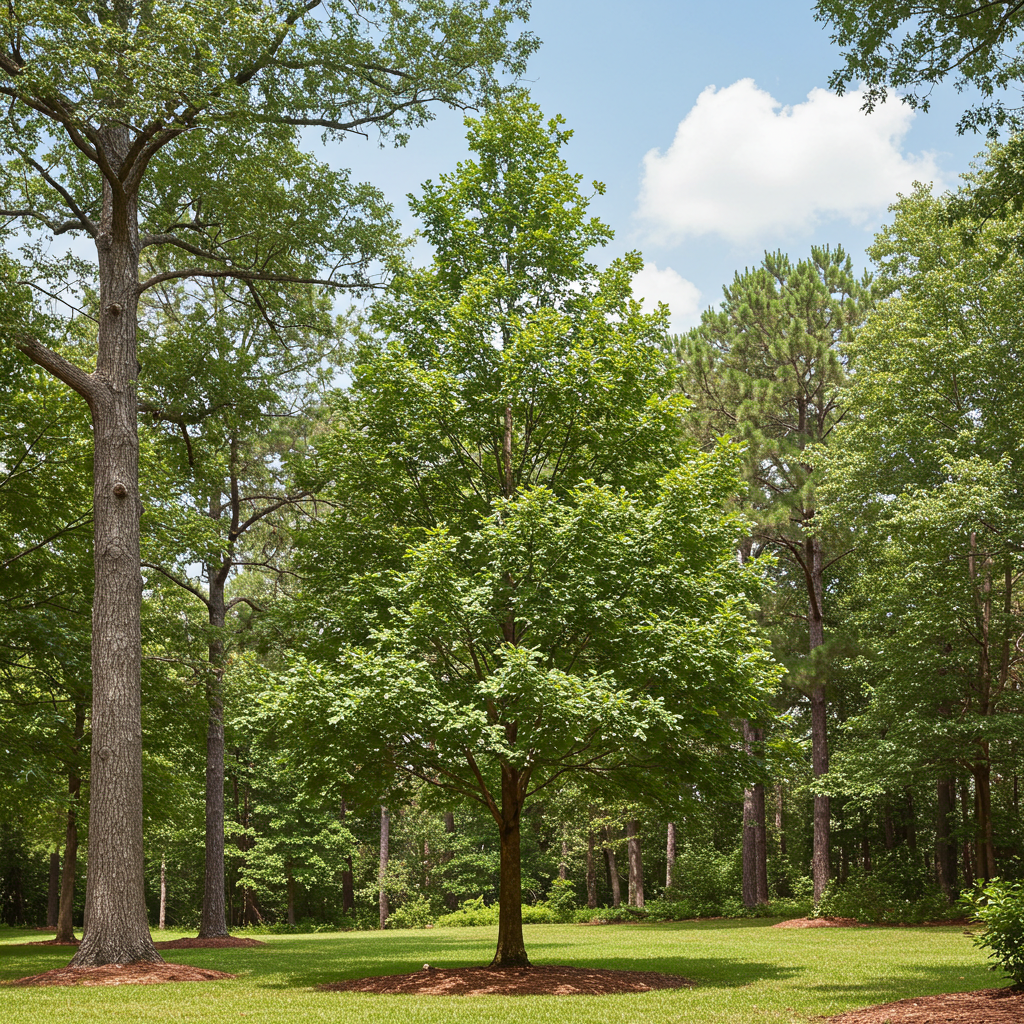
Unlock Your Backyard Oasis: Top Trees for Privacy & Value in Tampa
Why Choose Trees for Privacy in Your Tampa Landscape?
In the vibrant, often densely populated environment of Tampa, privacy is a coveted amenity for many homeowners. While fences offer a quick solution, integrating trees into your landscape for privacy provides a multitude of benefits that go far beyond a simple barrier. Trees introduce natural beauty, softening the harsh lines often associated with man-made structures. They act as living sound buffers, dampening urban noise from neighbors, traffic, and general city bustle, creating a more serene atmosphere in your outdoor living spaces. Furthermore, a thoughtfully designed tree screen significantly enhances your property's curb appeal, making it more inviting and ultimately more valuable. This natural shield creates an intimate, secluded backyard oasis where you can relax, entertain, and enjoy your home without feeling exposed to the outside world, transforming your landscape into a true extension of your private domain.
What Are the Best Tree Species for Privacy Screens in Tampa?
Choosing the ideal trees for privacy in Tampa requires selecting species that thrive in our subtropical climate while offering dense foliage and appropriate growth habits. Here are some of the top contenders recommended by Tampa Tree Care Specialists:
- Areca Palm (Dypsis lutescens):
- Benefits: Fast-growing, multi-trunked, evergreen, and creates a dense, tropical screen. Tolerant of partial shade to full sun.
- Considerations: Can reach 15-20 feet. Requires consistent moisture.
- Podocarpus (Podocarpus macrophyllus):
- Benefits: A versatile, dense evergreen shrub/tree that can be easily shaped into a formal hedge or allowed to grow naturally. Moderately fast growth.
- Considerations: Can grow up to 20-40 feet if untrimmed. Needs well-drained soil.
- Nellie R. Stevens Holly (Ilex x 'Nellie R. Stevens'):
- Benefits: A popular, hardy evergreen with dense, dark green foliage and attractive red berries. Offers excellent year-round screening.
- Considerations: Moderate to fast growth, reaching 15-25 feet tall and 8-12 feet wide. Thrives in full sun to partial shade.
- Japanese Blueberry Tree (Elaeocarpus decipiens):
- Benefits: An attractive evergreen with new growth emerging bronze, maturing to dark green. It has a dense, upright growth habit, making it an excellent screen.
- Considerations: Moderate to fast growth, reaching 25-40 feet. Best in full sun.
- Green Island Ficus (Ficus microcarpa 'Green Island'):
- Benefits: A dwarf, bushier form of ficus that can be hedged or grown as a small tree. Known for its dense, glossy green leaves.
- Considerations: Fast-growing, requires regular trimming to maintain shape. Sensitive to cold snaps.
Each of these species offers unique advantages for creating effective and beautiful privacy screens tailored to your Tampa property's specific needs and aesthetic.
How to Strategically Plan Your Privacy Tree Planting in Tampa?
Strategic planning is paramount when designing a privacy screen with trees, ensuring effectiveness and long-term success in your Tampa landscape. An expert arborist from Tampa Tree Care Specialists considers several factors to optimize your planting:
- Site Analysis: Before digging, a thorough assessment of your property is crucial. This includes evaluating sun exposure throughout the day, analyzing soil composition and drainage, and identifying any existing structures, utility lines (above and below ground), or property boundaries. Understanding these elements prevents future conflicts and ensures the selected trees will thrive.
- Spacing Considerations: While you might be tempted to plant trees closely for instant privacy, proper spacing is critical for their mature size. Overcrowding can lead to poor air circulation, increased risk of disease, stunted growth, and a diminished aesthetic over time. An arborist will recommend optimal spacing based on the mature width of your chosen species, ensuring each tree has adequate room to develop its full, dense canopy.
- Layering for Optimal Screening: For truly impenetrable privacy and visual interest, consider a layered planting approach. This involves combining trees of varying heights and densities. For instance, taller trees can provide the primary screen, while medium-sized shrubs fill in gaps, and smaller plants or flowers add appeal at ground level. This technique creates a rich, multi-dimensional barrier that is far more effective than a single row of uniform plants.
- Future Growth Planning: Always envision the mature size of your trees. This foresight helps avoid problems like roots damaging foundations, branches interfering with power lines, or trees outgrowing their designated space and requiring expensive removal or aggressive pruning.
- Desired Privacy Level: Determine if you need a complete visual block or a more filtered view. This will influence your species selection and planting density. A certified arborist can help you choose the right combination of trees to achieve your specific privacy goals while considering aesthetics and environmental factors.
Beyond Privacy: How Do These Trees Boost Your Tampa Property Value?
While the immediate benefit of a privacy screen is enhanced seclusion, the strategic planting of healthy trees offers significant long-term financial advantages, directly boosting your Tampa property's value. Real estate studies consistently show that a well-landscaped yard, especially one featuring mature, healthy trees, can increase property value by 7% to 19%. Here's how privacy trees contribute:
- Enhanced Aesthetics and Curb Appeal: Healthy, strategically placed trees create an attractive and inviting exterior, making your home more appealing to potential buyers. They add an organic elegance that fences alone cannot replicate.
- Energy Efficiency and Cost Savings: Deciduous trees strategically placed on the south or west sides of your home can provide significant shade, reducing indoor temperatures during Tampa's hot summers. This can lead to a noticeable decrease in air conditioning costs, a tangible benefit that appeals to energy-conscious buyers.
- Noise Abatement: Dense foliage acts as a natural sound buffer, absorbing street noise and creating a quieter, more peaceful environment within your home and backyard. This acoustic benefit adds to the perceived quality of life and value.
- Environmental Benefits: Homeowners are increasingly valuing eco-friendly features. Trees improve air quality, sequester carbon, and manage stormwater runoff. Highlighting these environmental contributions can make your property more desirable to a growing segment of buyers.
- Increased Usable Outdoor Space: A private, secluded backyard is a highly sought-after feature. It transforms an open yard into an intimate
Need Professional Assistance?
Get a free, no-obligation estimate from our expert local team today.