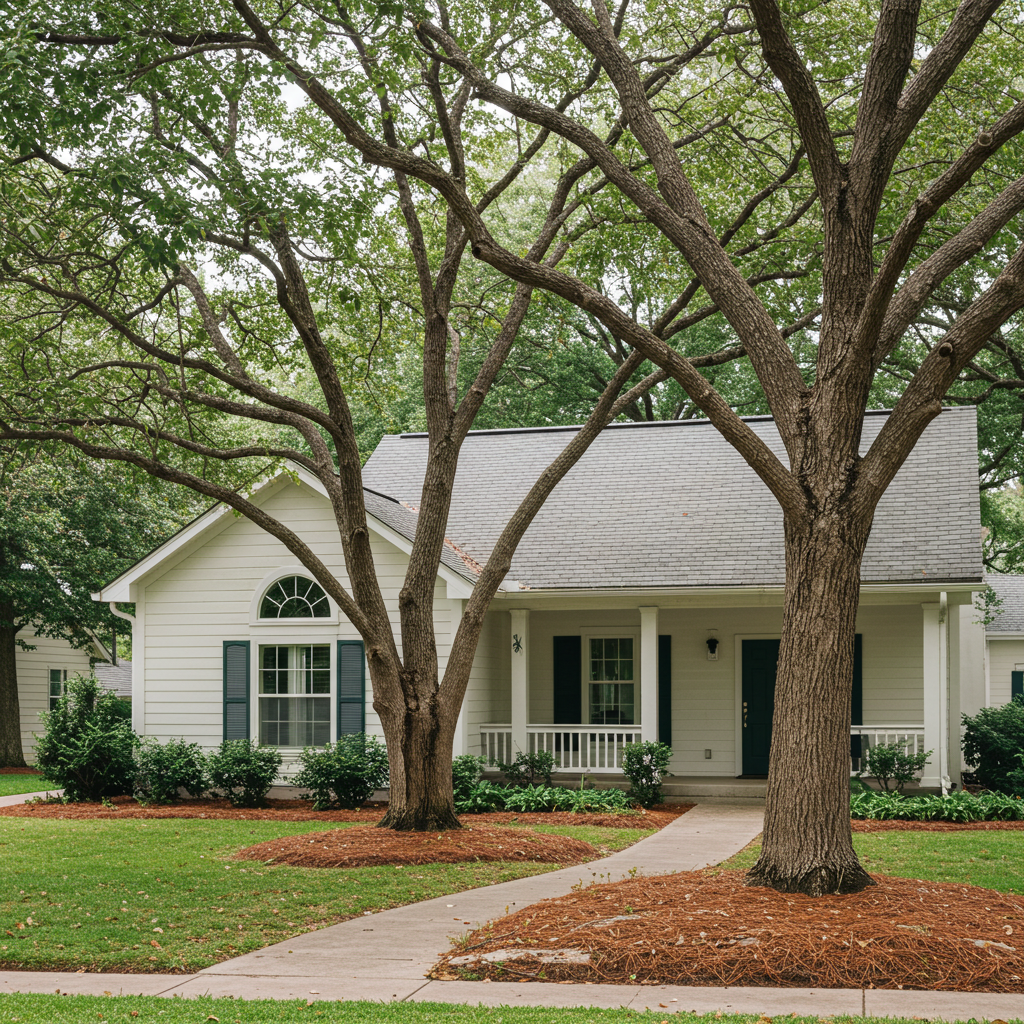
Thriving Trees Year-Round: Your Essential Tampa Seasonal Care Calendar
Caring for your trees year-round in Tampa involves understanding the unique demands of Florida's subtropical climate, focusing on seasonal pruning, targeted fertilization, consistent watering, and vigilant pest and disease monitoring. A proactive seasonal care calendar ensures your trees remain healthy, resilient, and beautiful, especially through the intense summer and hurricane seasons.
What are the key seasonal tree care tasks for Tampa's climate?
Tampa's subtropical climate presents unique challenges and opportunities for tree care. Unlike regions with four distinct seasons, Florida experiences a warm, wet season and a cooler, drier season, often punctuated by hurricane activity. Tailoring your tree care to these specific periods is vital for promoting robust growth, enhancing resilience, and safeguarding your property. Here’s a breakdown of essential seasonal tasks:
- Spring (March - May): Growth & Inspection
- Initial Health Assessment: As temperatures rise and trees emerge from their semi-dormant state, perform a thorough inspection for any winter damage, pest infestations, or signs of disease. Look for discolored leaves, unusual growths, or insect activity.
- Pruning for Structure: This is an excellent time for structural pruning, removing dead, diseased, or weak branches that could pose a hazard later. Shaping young trees can also guide their growth effectively.
- Fertilization: Provide a balanced, slow-release fertilizer to support new growth, especially for younger trees or those showing nutrient deficiencies. Soil testing can help determine specific needs.
- Pest & Disease Prevention: Apply preventative treatments if your trees have a history of specific pest or disease issues that become active in spring.
- Summer (June - August): Resilience & Monitoring
- Watering: Tampa's summer brings heavy rains, but also intense heat. Monitor rainfall and supplement with deep watering during dry spells, especially for newly planted trees. Avoid overwatering.
- Hurricane Preparation: This is paramount. Remove weak, crossing, or dead branches that could become projectiles in high winds. Consult with a professional arborist to assess overall tree stability.
- Vigilant Monitoring: The heat and humidity create ideal conditions for many pests and fungal diseases. Regularly inspect for signs of stress, such as wilting, defoliation, or abnormal spots on leaves. Early detection is key.
- Minimal Pruning: Limit pruning to only removing hazardous branches to avoid stressing trees during peak growing and hurricane season.
- Fall (September - November): Recovery & Preparation
- Post-Storm Assessment: After hurricane season, conduct a thorough inspection for any damage, even if no major storms hit. Subtle stress can manifest later.
- Fertilization (Optional): A late-fall fertilization can help replenish nutrients and prepare trees for the cooler months, though often spring is preferred.
- Targeted Pruning: This is another good time for corrective pruning after the stress of summer and before winter dormancy. Remove any lingering storm-damaged branches.
- Mulching: Apply a fresh layer of organic mulch around the base of trees, keeping it away from the trunk. This helps retain moisture, regulate soil temperature, and suppress weeds.
- Winter (December - February): Dormancy & Planning
- Dormant Pruning: For many deciduous trees, winter is an ideal time for significant pruning as their structure is visible without leaves. This is also a good time for canopy reduction or thinning.
- Pest & Disease Treatment: Some dormant oil applications can effectively control overwintering pests and fungal spores.
- Watering (Reduced): While cooler, Tampa can still experience dry spells. Ensure trees, especially evergreens, receive adequate moisture, but reduce frequency compared to summer.
- Planning: Use this slower period to plan for spring planting, major removals, or large-scale landscaping projects.
How do I protect my Tampa trees during the intense summer and hurricane season?
Tampa's summer and hurricane season (June 1st to November 30th) demand specific, proactive tree care to prevent devastating damage. Protecting your trees during this critical period is not just about aesthetics; it's about safeguarding your property and ensuring public safety.
- Strategic Pruning Before the Storms:
The most crucial step is pre-emptive pruning. Focus on removing:
- Dead or Dying Branches: These are weak points that can easily snap and become dangerous projectiles.
- Weakly Attached Branches: Branches with narrow V-shaped crotches are more prone to splitting.
- Crossing or Rubbing Branches: These can create wounds, leading to decay and structural weakness.
- Overextended Limbs: Branches that extend too far or have excessive weight can be prone to breaking in high winds.
- Canopy Thinning: For some mature trees, selective thinning of the interior canopy can reduce wind resistance, allowing wind to pass through rather than exert full force against the tree. This must be done by an expert to avoid over-thinning, which can cause stress.
- Regular Health Checks:
A healthy tree is a resilient tree. During summer, actively monitor for:
- Pest Infestations: Look for signs of insect activity, such as chewed leaves, sticky sap (honeydew), or webbing. Pests can weaken trees, making them more susceptible to storm damage.
- Disease Symptoms: Watch for discolored leaves, cankers, unusual growths, or fungal bodies. Diseases can compromise structural integrity.
- Root Collar Inspections: Ensure the base of the tree is free of excessive mulch, soil, or girdling roots, which can choke the tree and reduce stability.
- Adequate Watering (But Not Overwatering): Even with summer rains, drought periods can occur. Ensure trees receive sufficient deep watering if natural rainfall is scarce. However, avoid waterlogged soil, which can lead to root rot.
- Soil Health: Healthy soil provides a strong foundation. Ensure good drainage and consider soil amendments if nutrient deficiencies are evident from previous soil tests.
- Professional Assessments: For large or critical trees near structures, engage a certified arborist before hurricane season. They can perform a detailed risk assessment, identifying potential hazards and recommending appropriate action, such as cabling or bracing, if necessary.
When is the best time to prune and fertilize trees in Tampa?
Timing is everything when it comes to effective pruning and fertilization in Tampa's climate. Missteps can stress your trees, leading to poor growth, disease susceptibility, or even mortality.
Optimal Pruning Schedule:
The best time to prune depends on the tree's species, age, and the specific pruning goal.
- Dormant Season (Late Fall to Early Spring - December to February):
This is generally the ideal time for most significant pruning tasks, especially for deciduous trees. During dormancy:
- Trees are less susceptible to pest and disease invasion through fresh wounds.
- The absence of leaves allows for a clear view of the tree's structure, making it easier to identify dead, diseased, or crossing branches.
- Energy reserves are high, allowing for rapid healing when new growth begins in spring.
- Examples: Many oak varieties, maples, and other shade trees can benefit from dormant pruning.
- After Flowering (Spring/Early Summer):
For trees that flower on old wood (e.g., magnolias, some fruit trees), prune immediately after they finish blooming. This preserves the current season's flowers while allowing the tree to set new flower buds for the following year.
- Light Pruning Anytime (Hazard Removal):
Dead, diseased, or hazardous branches should be removed immediately, regardless of the season. This is crucial for safety and tree health. However, minimize extensive pruning during the intense heat of summer or immediately before hurricane season to avoid stressing the tree.
- Avoid Late Summer Pruning: Pruning too late in the summer can stimulate a flush of new growth that may not have time to harden off before any cooler weather, making it vulnerable.
Optimal Fertilization Schedule:
Like pruning, fertilization timing is critical. Over-fertilizing or fertilizing at the wrong time can be detrimental.
- Early Spring (March - May):
This is often the best time to fertilize most trees in Tampa. As trees break dormancy and begin their active growth cycle, they can readily absorb and utilize nutrients. A slow-release granular fertilizer applied during this period provides a steady supply of nutrients throughout the critical growing season.
- Late Fall (October - November - Optional):
For some trees, a light fertilization in late fall can help them store carbohydrates and nutrients for winter, supporting root development and providing reserves for the following spring. However, this is less common for established, healthy trees and should only be done if soil tests indicate a specific need.
- Avoid Summer Fertilization: Fertilizing during the peak heat and stress of Tampa's summer can burn roots, push excessive growth that is vulnerable to pests and disease, and contribute to nutrient runoff during heavy rains.
- Soil Testing is Key: Always perform a soil test before applying fertilizer. This diagnostic tool reveals specific nutrient deficiencies and pH imbalances, allowing for a targeted fertilization program that provides exactly what your trees need, preventing waste and potential harm.
What common tree issues should Tampa homeowners watch for in each season?
Being vigilant about your trees' health is an ongoing process. Tampa's dynamic climate means different threats emerge with each changing season.
Spring Watch-Outs (March - May):
- New Pest Activity: As new leaves emerge, so do hungry pests. Watch for aphids, spider mites, and scale insects, especially on new growth. Look for sticky residue (honeydew) or stunted, curled leaves.
- Fungal Diseases: The increasing humidity and rainfall can encourage fungal issues like powdery mildew or leaf spot diseases, particularly on susceptible species. Look for white, powdery patches or dark spots on leaves.
- Nutrient Deficiencies: New growth may highlight deficiencies if trees struggle after winter. Yellowing leaves (chlorosis) can indicate an iron or magnesium deficiency, common in alkaline soils.
Summer Watch-Outs (June - August):
- Heat Stress & Drought Symptoms: Despite heavy rains, trees can still experience drought stress during dry spells, especially if newly planted or in poor soil. Wilting, drooping, or browning leaf margins are common signs.
- Intensified Pest Infestations: Pests like ambrosia beetles, borers, and various caterpillars can be highly active and destructive in summer. Keep an eye out for sawdust-like frass on trunks, exit holes, or rapid defoliation.
- Fungal & Bacterial Blights: The hot, humid conditions are a breeding ground for aggressive fungal and bacterial diseases that can cause rapid decline. Look for sudden dieback of branches, cankers, or large areas of discolored leaves.
- Storm Damage: Even minor storms can cause hidden damage. Inspect trees for cracked limbs, leaning trunks, or root exposure after high winds.
Fall Watch-Outs (September - November):
- Post-Hurricane Stress: Trees may not show immediate signs of storm stress. Months later, decline due to root damage or internal cracking can appear.
- Fungal Spores: As temperatures cool slightly and humidity remains, fungal spores might still be active, impacting leaf litter and potentially causing new infections.
- Girdling Roots: This is a year-round issue but can become more apparent as trees decline. Roots that encircle the trunk or other roots can choke the tree. Look for a lack of flare at the base of the trunk or a gradual decline in canopy health.
Winter Watch-Outs (December - February):
- Cold Damage (Rare but Possible): While Tampa rarely sees hard freezes, sudden drops in temperature can cause damage to sensitive tropical species or new growth that hasn't hardened off. Look for browning, shriveling leaves or bark splitting.
- Dormant Pests: Some pests, like scale insects, overwinter on trees and are easier to spot and treat with dormant oils when leaves are absent.
- Disease Cankers: Cankers and other bark diseases can be more visible on bare branches, allowing for targeted removal.
- Water Deficit: While less frequent, long dry spells in winter can dehydrate trees, especially evergreens. Monitor soil moisture.
By staying informed and actively monitoring your trees through each season, you can prevent minor issues from becoming major problems. For comprehensive assessments, advanced treatments, or any concerns about your trees' health year-round, don't hesitate to reach out to the certified arborists at Tampa Tree Care Specialists. Our experts are dedicated to providing the specialized knowledge and professional services your Tampa landscape needs to thrive, ensuring your trees remain a beautiful and safe asset to your property.
Need Professional Assistance?
Get a free, no-obligation estimate from our expert local team today.