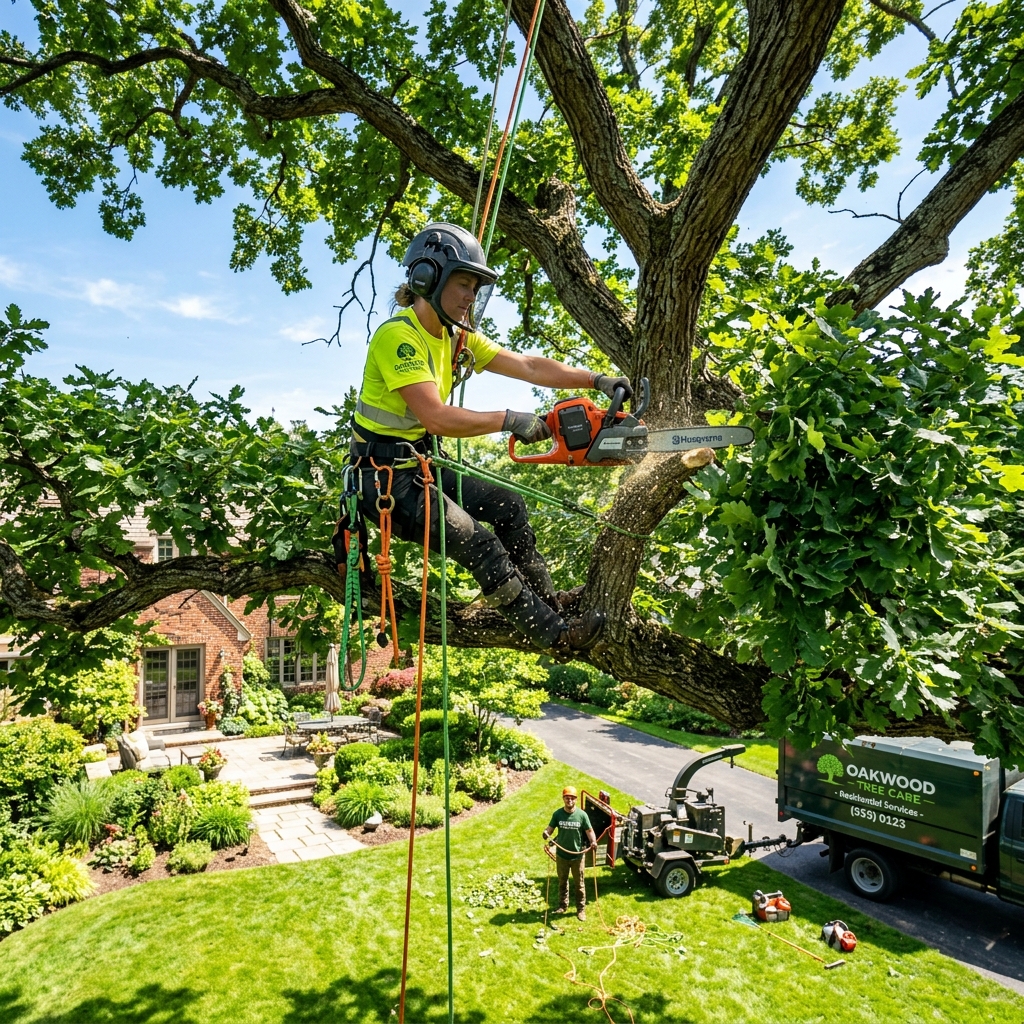
Spot Tree Problems Early in Tampa, FL: Protect Your Property & Wallet
Catching tree problems early in Tampa, FL, is paramount for both property safety and financial prudence. Ignoring subtle indicators can lead to significant structural damage, hazardous situations, and expensive emergency services later. Proactive identification allows for timely, less invasive, and more affordable interventions by qualified arborists.
As a homeowner in Tampa, your trees are a vital part of your property’s aesthetic and ecological value. However, they are also living organisms susceptible to diseases, pests, and environmental stressors. Recognizing the early warning signs of an unhealthy tree can mean the difference between a simple treatment and a complete removal. This guide will equip you with the knowledge to identify potential issues before they escalate.
What are the common signs of an unhealthy tree in Tampa?
Healthy trees typically exhibit vigorous growth, lush foliage, and strong structural integrity. Any deviation from this norm could be an indicator of underlying problems. Here are some key signs to look for:
- Unusual Leaf Discoloration or Wilting: Leaves turning yellow, brown, or black out of season, or wilting prematurely, often signal water stress, nutrient deficiencies, or disease. In Tampa, excessive heat or drought can quickly impact foliage.
- Sparse Foliage or Dieback: A tree with fewer leaves than usual, especially on one side, or dead branches (dieback) indicates stress. This could be due to root damage, disease, or pest infestation.
- Trunk Cracks, Cankers, or Holes: Cracks in the trunk or major branches can be structural weaknesses. Cankers (sunken, discolored areas) are often signs of fungal infection. Small holes can indicate boring insects.
- Fungal Growths (Mushrooms/Conks): Fungi growing on the trunk or at the base of the tree are often a sign of internal decay. Conks, in particular, indicate advanced rot.
- Excessive Deadwood: While some dead branches are normal, a significant amount of deadwood in the canopy suggests a tree is struggling and could pose a falling hazard.
- Leaning or Root Problems: A tree suddenly leaning, or exposed roots that are girdling (encircling) the trunk, can indicate structural instability or suffocation, respectively. Bulging soil around the base might also suggest root heave.
How do Tampa's unique climate and pests affect tree health?
Tampa's subtropical climate, characterized by hot, humid summers and mild winters, combined with specific local pests, presents unique challenges for tree health. Understanding these regional factors is crucial for early detection.
- Humidity and Fungal Diseases: The high humidity levels in Tampa create an ideal breeding ground for various fungal diseases, such as Ganoderma root rot, powdery mildew, and anthracnose, which can quickly spread and weaken trees.
- Tropical Storms and Hurricanes: Our annual storm season brings heavy winds and saturated soils, making trees more susceptible to uprooting or branch failure. Pre-storm pruning and regular inspections are vital for mitigation.
- Local Pests: Common pests like the ambrosia beetle, palm weevils, and various borers can cause significant damage to Tampa's native and ornamental trees. Look for sawdust, exit holes, or wilting branches. Certain palm diseases, like Lethal Bronzing, are also a major concern for palm trees in our region.
- Soil Conditions: Tampa's sandy soils, while well-draining, can sometimes lead to nutrient deficiencies if not properly managed, impacting tree vigor.
Whether your property is in the heart of Tampa, or in nearby communities like Clearwater, these environmental factors require consistent vigilance and expert care.
When should I call a professional tree service in Tampa?
While you can identify many initial signs, knowing when to call a certified arborist is critical. It’s always better to be safe than sorry, especially when dealing with large, heavy organisms that can pose significant risks. You should contact a professional immediately if you observe any of the following:
- Large Dead or Broken Branches: These are a direct safety hazard and need immediate attention to prevent them from falling.
- Significant Trunk Damage: Deep cracks, large cankers, or extensive holes can compromise the tree's structural integrity.
- Sudden Lean or Instability: If your tree starts to lean unexpectedly or you notice the ground around its base heaving, it could be on the verge of falling.
- Signs of Pest Infestation: While some minor pests can be managed, a widespread infestation requires professional diagnosis and treatment.
- Decay or Fungal Growth: Fungi on the trunk or at the base are serious indicators of internal decay that can lead to tree failure.
- Proximity to Structures or Power Lines: Any tree showing signs of distress that is close to your home, garage, or power lines is an urgent matter.
Don't wait for a problem to become an emergency. Regular tree health assessments can catch these issues early, saving you money and potential headaches. For residents in areas like Carrollwood, or even the historic charm of Tampa Heights, these professional insights are invaluable.
What can I expect during a professional tree inspection?
When you call Tampa Tree Care Specialists for a tree inspection, our certified arborists perform a thorough assessment to accurately diagnose problems and recommend appropriate solutions. Here's what you can expect:
- Initial Consultation: We'll discuss your concerns, the tree's history, and any symptoms you've observed.
- Visual Assessment: Our arborist will conduct a comprehensive visual inspection of the entire tree, from the root collar to the canopy, looking for the signs mentioned above, as well as subtle indicators of stress or disease.
- Diagnostic Tools: Depending on the suspected issue, we might use specialized tools like probes to check for decay, or samples might be taken for lab analysis to identify specific pests or diseases.
- Risk Assessment: For trees showing signs of instability, a detailed risk assessment will be performed to evaluate the potential for failure and the impact on surrounding targets.
- Personalized Recommendations: Based on the findings, we'll provide a detailed report outlining the tree's health, potential risks, and recommended actions. This could include pruning, fertilization, pest/disease treatment, cabling/bracing, or in severe cases, removal. We'll explain the *why* behind each recommendation, ensuring you understand the best course of action for your property.
- Transparent Pricing: You'll receive a clear, itemized estimate for any recommended services, ensuring full transparency before work begins.
Investing in a professional tree inspection is an investment in the longevity and safety of your property. Our team is dedicated to providing expert advice and services tailored to the unique needs of Tampa's urban forest.
Don't let minor tree issues turn into major emergencies. By learning to spot common tree problems early and partnering with experienced local arborists, you can protect your property, enhance your landscape's beauty, and potentially save thousands in costly repairs. For a comprehensive tree health assessment or any tree service needs in Tampa, FL, trust the experts. Contact Tampa Tree Care Specialists today for a consultation and keep your trees thriving!
Need Professional Assistance?
Get a free, no-obligation estimate from our expert local team today.