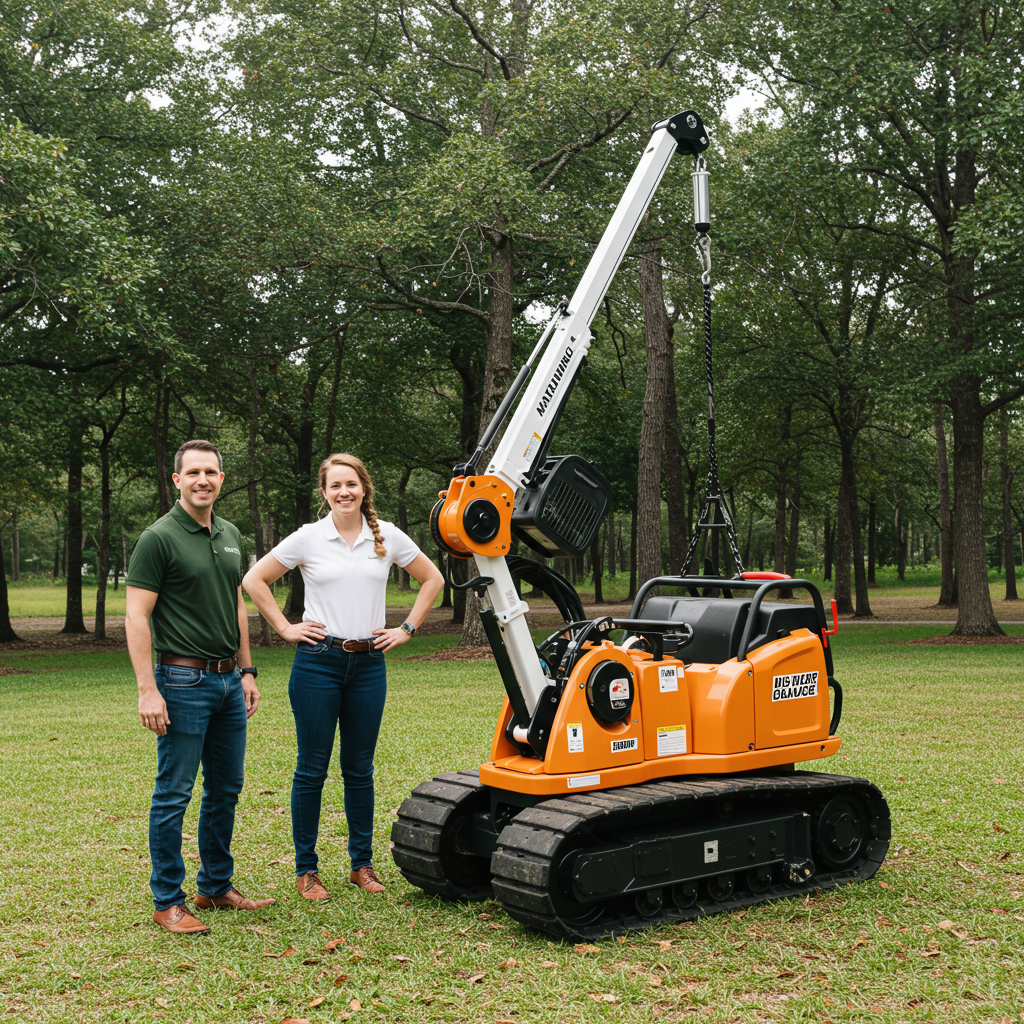
Mastering Your Yard: Essential Tree Care Equipment for Tampa Homeowners
Trees are a vital part of Tampa's landscape, providing shade, beauty, and ecological benefits. As a homeowner, you want to ensure your trees remain healthy and vibrant. While professional arborists handle complex tasks, having the right basic tree care equipment can empower you to perform routine maintenance safely and effectively. But with so many tools available, where do you begin?
What basic tree care equipment do I need as a homeowner in Tampa?
For Tampa homeowners, essential tree care equipment includes hand pruners, loppers, a pruning saw, sturdy gloves, and safety glasses. These tools are crucial for minor pruning, clearing small branches, and maintaining overall tree health while ensuring your safety. Always choose high-quality, sharp tools for clean cuts and less stress on your trees.
Understanding the proper tools for each task not only makes the job easier but also protects your trees from unnecessary damage and ensures your safety. Let's delve into the specific equipment that every Tampa homeowner should consider having in their arsenal.
What Hand Tools Are Essential for Basic Tree Maintenance in Tampa?
For most routine tree care tasks, reliable hand tools are your best friends. They offer precision, control, and are generally safer for beginners than power tools. Investing in quality hand tools will pay off in their longevity and effectiveness.
- Hand Pruners (Bypass vs. Anvil): These are your go-to for small branches, suckers, and deadheading. Bypass pruners, which operate like scissors, are ideal for living branches as they make clean cuts that heal quickly. Anvil pruners, with a sharp blade closing onto a flat surface, are better for dead or woody material. Always opt for bypass pruners for your living tree branches.
- Loppers: Designed for thicker branches than hand pruners, loppers typically have long handles that provide extra leverage, allowing you to cut branches up to 1.5 to 2 inches in diameter. Like hand pruners, bypass loppers are preferred for living wood. Their extended reach also helps you access slightly higher branches without a ladder.
- Pruning Saws: When branches exceed the capacity of loppers, a good pruning saw becomes indispensable. These saws come in various forms, including curved blades and folding designs, with razor-sharp teeth designed to cut through thicker wood efficiently. They are suitable for branches typically between 2 to 6 inches in diameter. A clean, sharp cut from a pruning saw is crucial for the tree's health, as ragged cuts can invite pests and diseases, especially in Tampa's warm, humid climate.
- Pole Pruners: For branches that are too high to reach safely with loppers or a hand saw but not large enough to warrant a ladder or professional help, a pole pruner is invaluable. These tools combine a pruning shear or a small saw blade at the end of an extendable pole. While convenient, use them with caution and ensure the branch you're cutting won't fall on you or anything valuable below.
Why sharp tools matter: A common mistake is using dull tools. Dull blades crush rather than cut, leaving jagged wounds that are harder for the tree to heal and making it more susceptible to disease and insect infestation, a significant concern for many tree species in Tampa.
When Do Power Tools Become Necessary for Tree Care in Tampa?
While hand tools cover a lot of ground, certain tasks necessitate the power and efficiency of motorized equipment. However, these tools come with increased risks and often require a higher level of skill and safety awareness.
- Chainsaws: For larger branches, extensive tree removal, or processing firewood, a chainsaw is the undisputed king. However, chainsaws are extremely dangerous in untrained hands. For most Tampa homeowners, any task requiring a chainsaw, especially at height or involving large limbs, should be left to certified arborists. Incorrect use can lead to severe injury, property damage, or irreversible harm to your tree. If you do operate a chainsaw, ensure you have proper training, wear all necessary safety gear, and understand the specific challenges of working with trees in our area, such as fast-growing species or hurricane damage.
- Hedge Trimmers: While not typically for large tree branches, electric or gas-powered hedge trimmers are excellent for shaping hedges, shrubs, and ornamental trees with smaller, denser foliage. They provide uniform cuts quickly, but always be mindful of electrical cords and moving blades.
- Leaf Blowers/Shredders: After pruning or during heavy leaf drop, especially with larger shade trees common in Tampa, a leaf blower can be a time-saver for cleanup. Some models also have a shredder function, which can turn yard waste into valuable mulch, contributing to your tree's health.
Expert insight: Before even considering a chainsaw for a tree task, ask yourself if it's truly within your skill set. The cost of hiring a professional for a dangerous job far outweighs the potential medical bills or property damage from a DIY mishap. In Tampa, our strong storm seasons mean fallen or damaged trees often require professional, insured chainsaw work.
Beyond Pruning: What Other Equipment Supports Healthy Trees in Tampa?
Tree care extends beyond just cutting branches. A holistic approach includes ensuring proper nutrition, hydration, and protection, especially in Tampa's climate and soil conditions.
- Watering Tools: Tampa's dry seasons can be harsh on trees, especially young ones. A good quality hose with various spray nozzles, soaker hoses for deep watering, or even a basic irrigation system can be crucial for maintaining adequate moisture levels. Deep, infrequent watering is generally better than shallow, frequent watering, as it encourages deeper root growth.
- Fertilizer Spreaders: If your soil tests indicate nutrient deficiencies, a fertilizer spreader can help distribute granular fertilizers evenly around the tree's root zone. This prevents over-fertilization in one spot, which can burn roots. Liquid feeders can also be used for specific nutrient applications.
- Mulch Spreader/Forks: Applying a 2-4 inch layer of organic mulch around the base of your trees is one of the best things you can do for their health. Mulch conserves moisture, regulates soil temperature, suppresses weeds, and slowly adds nutrients to the soil. Tools like pitchforks or specific mulch spreaders make this task much easier.
- Wheelbarrows or Tarps: For collecting and transporting pruned branches, leaves, and other yard debris, a sturdy wheelbarrow or heavy-duty tarp is essential. This helps keep your work area tidy and makes cleanup efficient.
- Tree Guards and Stakes: For newly planted or young trees, tree guards protect the trunk from mechanical damage (e.g., weed whackers) and pests. Staking provides essential support during strong winds, common in Tampa, helping the tree establish a strong root system without suffering damage. Remember to remove stakes once the tree is established to encourage natural trunk development.
Ecosystem benefit: Proper watering, fertilizing, and mulching don't just help your trees; they contribute to a healthier ecosystem in your yard, reducing runoff and supporting beneficial soil organisms.
What Safety Gear Should Every Tampa Homeowner Own for Tree Care?
Safety should always be your number one priority when working with trees. Even seemingly simple tasks can become dangerous without the right protection. Never compromise on safety gear.
- Gloves: Protect your hands from splinters, thorns, cuts, and irritating sap. Choose durable, snug-fitting gloves appropriate for yard work.
- Safety Glasses or Goggles: Absolutely critical. Flying debris, sawdust, or twigs can cause permanent eye damage. Always wear eye protection, even for small tasks.
- Hard Hat: If you're working overhead or if there's any chance of falling branches (even small ones), a hard hat can prevent serious head injuries.
- Hearing Protection: When using noisy power tools like chainsaws or leaf blowers for extended periods, earmuffs or earplugs are essential to prevent hearing loss.
- Long Sleeves and Pants: Provide protection from scratches, UV radiation, insect bites, and contact with irritating plant sap.
- Sturdy Footwear: Closed-toe shoes with good ankle support and non-slip soles are a must. Steel-toed boots offer an extra layer of protection if you're dealing with heavier tasks.
- Ladders (and Ladder Safety): If you must use a ladder, ensure it's specifically designed for tree work or is a sturdy, stable extension ladder. Never overreach, always maintain three points of contact, and ideally, have someone spot you. Never work on a ladder with a chainsaw. For anything requiring significant height, professional arborists have specialized equipment and training.
Professional advice: Many tree-related injuries could be prevented by simply wearing appropriate personal protective equipment (PPE) and knowing when a job is beyond your capability. In Tampa's humid climate, sweat can impair grip and visibility, making good quality, breathable safety gear even more important.
When to Call the Tree Care Specialists in Tampa
While having the right tools for basic maintenance is empowering, it's crucial to recognize your limitations. Large-scale pruning, tree removal, dealing with storm-damaged trees, or any task that involves working at significant heights or near power lines should always be handled by experienced professionals.
Tampa Tree Care Specialists are equipped with specialized tools, extensive training, and the necessary insurance to perform complex and dangerous tree care operations safely and efficiently. We can provide expert assessments, utilize advanced rigging techniques, and ensure your trees receive the best possible care, protecting both your property and your family. Don't hesitate to reach out for a consultation when a tree care task feels beyond your DIY capabilities.
Need Professional Assistance?
Get a free, no-obligation estimate from our expert local team today.