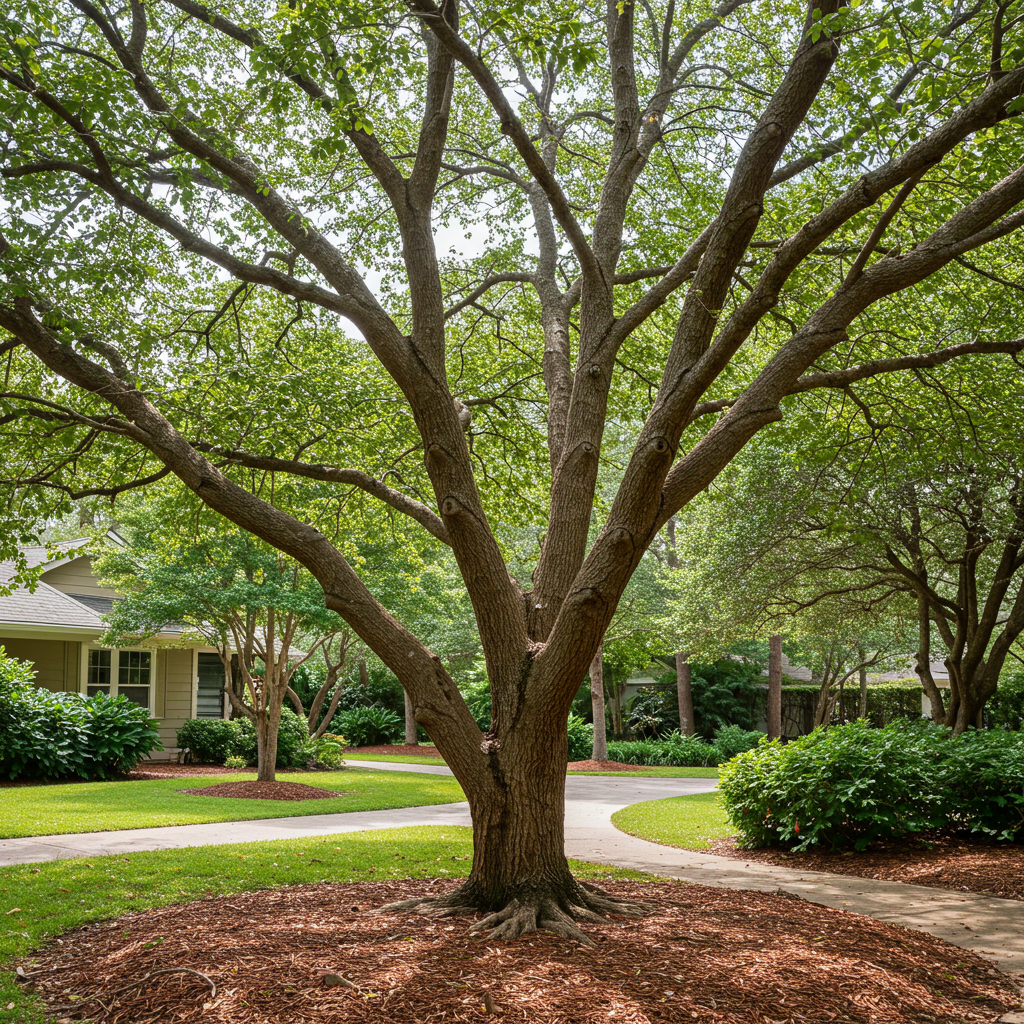
Decoding Tree Care: Your Tampa Homeowner's Glossary for Healthier Trees
Understanding common tree care terminology is crucial for Tampa homeowners to make informed decisions about their landscape. Key terms include 'Arborist' (a trained tree care professional), 'Pruning' (selective removal of branches for health and structure), and 'Mulching' (applying organic material around the tree base to retain moisture and improve soil). These terms empower homeowners to effectively communicate with tree service providers and ensure optimal tree health.
Why Should Tampa Homeowners Understand Tree Care Terminology?
For Tampa homeowners, understanding the language of tree care isn't just about sounding knowledgeable; it's about making smart, cost-effective decisions for your property and ensuring the longevity of your valuable trees. The humid climate and unique ecosystem of Tampa mean trees face specific challenges, from intense sun to hurricane winds. When you grasp key arboricultural terms, you can:
- Communicate More Effectively: Clearly convey your concerns and understand recommendations from professional tree service providers.
- Make Informed Decisions: Evaluate proposed treatments and services with a deeper understanding of their purpose and potential impact.
- Identify Issues Proactively: Recognize early signs of stress, disease, or pest infestation, allowing for timely intervention.
- Protect Your Investment: Healthy trees significantly boost property value and curb appeal, a vital consideration in the Tampa real estate market.
Key Pruning & Trimming Terms for Tampa Trees
Pruning is an art and a science, critical for tree health, safety, and aesthetics, especially in a region prone to severe weather like Tampa. Here are common terms you’ll encounter:
- Pruning: This is the systematic removal of branches or roots from a tree or shrub. It's done to promote tree health, improve appearance, enhance safety by removing weak limbs, and encourage fruit production.
- Trimming: Often used interchangeably with pruning, 'trimming' sometimes refers more specifically to the aesthetic shaping of hedges or shrubs, maintaining a desired size and form.
- Crown Thinning: The selective removal of interior branches to increase light penetration and air movement through the tree’s canopy. This reduces wind resistance, which is crucial for hurricane preparedness, and improves health by reducing disease risk.
- Crown Raising (or Lift): The removal of lower branches to provide clearance for pedestrians, vehicles, or structures. This enhances safety and accessibility on your property, preventing potential hazards.
- Crown Reduction: Reducing the overall size of a tree's crown by selectively cutting back leaders and branches to appropriately sized lateral branches. This limits tree size, reduces weight, and improves structural integrity, especially crucial in mitigating storm damage in Tampa.
- Deadwooding: The removal of dead, dying, or diseased branches from a tree. This prevents the spread of decay, removes potential falling hazards, and significantly improves the tree's overall aesthetics.
- Topping: This is the indiscriminate cutting of tree branches to stubs. It's a highly detrimental practice that professional arborists strongly advise against. Topping severely damages trees, leads to weak, rapid sprout growth, increases disease susceptibility, and often results in higher long-term costs due to continued necessary remediation.
Understanding Tree Health & Maintenance Jargon in Tampa
Beyond pruning, comprehensive tree care involves understanding various aspects of a tree's health and environment. Knowing these terms helps you diagnose problems and ensure proper care:
- Arborist / Certified Arborist: An Arborist is a professional trained in the art and science of planting, caring for, and maintaining individual trees. A Certified Arborist has gone a step further, passing an extensive exam administered by the International Society of Arboriculture (ISA), signifying a high level of expertise and commitment to best practices. Hiring one ensures you're getting knowledgeable advice tailored to Tampa's specific tree species and climate.
- Plant Health Care (PHC): A comprehensive, holistic program focused on maintaining and improving the health, vigor, and appearance of plants within your landscape. PHC emphasizes proactive measures like proper watering, strategic fertilization, effective pest management, and disease prevention, leading to healthier, more resilient trees that can withstand Tampa's environmental pressures.
- Fertilization: The application of specific nutrients to the soil or directly to the tree to promote growth, vigor, and overall health. Urban soils, common in Tampa, often lack essential nutrients, making targeted fertilization crucial for replenishing deficiencies and boosting a tree's natural resistance to pests and diseases.
- Soil Compaction: The compression of soil particles, which significantly reduces the pore space necessary for air and water movement, thereby hindering root growth and the uptake of vital nutrients. It's a common problem in high-traffic residential areas and can severely stress trees.
- Root Collar: This is the critical transition zone where the tree's trunk flares out into its root system, ideally located at or slightly above ground level. Proper root collar exposure is vital for tree health; if buried too deeply by soil or mulch, it can lead to decay, girdling roots, and eventual tree decline.
- Girdling Roots: Roots that encircle the trunk or other major roots, restricting the flow of water and nutrients throughout the tree. If not identified and addressed, girdling roots can slowly strangle a tree, leading to its decline or death.
- Mulch: Organic material, such as wood chips or shredded bark, applied to the soil surface around trees. Mulching retains soil moisture, moderates soil temperature (protecting roots from Tampa's heat), suppresses weeds, and provides nutrients as it slowly decomposes.
- Disease: An impairment of the normal physiological state of a tree that interrupts or modifies its vital functions, often caused by pathogens like fungi, bacteria, or viruses. Early identification of common tree diseases prevalent in Tampa's climate is essential to prevent their spread and save affected trees.
- Pest: Any organism that has a detrimental effect on a tree, including insects (e.g., borers, aphids), mites, or nematodes. Untreated pest infestations can severely weaken or kill trees; understanding common Tampa tree pests and their signs is key to timely intervention.
- Risk Assessment: A systematic evaluation performed by a qualified arborist to determine the likelihood of tree failure and the potential impact of such failure (e.g., damage to property, injury to people). This is particularly important for identifying hazardous trees that could pose a threat during Tampa's strong storms.
Emergency & Removal Terms Every Tampa Homeowner Should Know
Sometimes, despite best efforts, trees need to be removed, or emergencies arise. Knowing these terms can guide you through difficult situations:
- Tree Removal: The complete felling and disposal of a tree. This service is necessary for trees that are dead, extensively diseased, pose a significant hazard to people or property, or whose roots are invasively impacting foundations or utilities.
- Stump Grinding: The process of using specialized machinery to grind down a tree stump into wood chips, typically below ground level. This eliminates tripping hazards, prevents new growth from the stump, and allows for replanting or landscaping in the area.
- Emergency Tree Service: Rapid response tree care provided for hazardous situations, often involving storm-damaged or fallen trees that threaten structures, block access, or pose immediate danger. This service is crucial for ensuring safety and minimizing further damage after severe weather, a common occurrence in the Tampa Bay area.
- Hazard Tree: A tree with one or more structural defects (e.g., large dead branches, severe lean, decay) that make it likely to fail, potentially causing injury or property damage. Recognizing a hazard tree allows for timely intervention to mitigate risks and prevent accidents.
- Crane Removal: The strategic use of a crane to lift and remove large tree sections, often necessary in confined spaces, over delicate landscapes, or near structures where traditional felling methods are too risky. This provides a safe and highly efficient method for complex removals.
This glossary aims to empower Tampa homeowners with the knowledge needed to understand their tree's health and engage confidently with tree care professionals. When you understand the specific needs of your trees, you can make better choices for their longevity and your property's safety. For any complex assessments, proactive maintenance, or urgent tree care needs, remember that professional guidance is invaluable. The certified arborists at Tampa Tree Care Specialists are here to help decode your tree's signals and provide expert, safe solutions. Don't hesitate to reach out for a consultation to ensure your trees remain healthy and beautiful for years to come.
Need Professional Assistance?
Get a free, no-obligation estimate from our expert local team today.