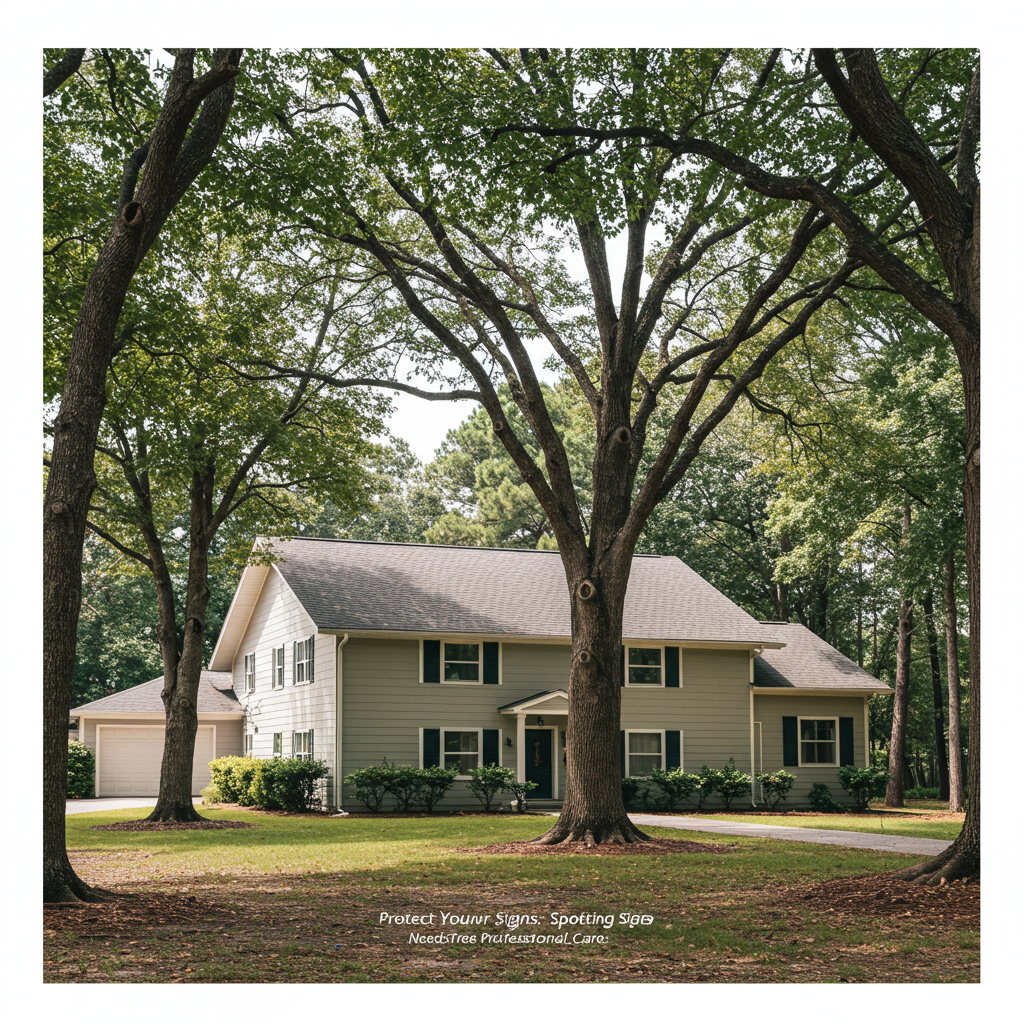
Protect Your Property: Spotting Signs Your Tampa Tree Needs Professional Care
How can I spot common tree diseases and pests in Tampa?
Trees in Tampa, like any living organism, are susceptible to a variety of diseases and pest infestations that can quickly compromise their health and structural integrity. Being vigilant about the visual cues your trees present can make all the difference in early intervention and successful treatment. As a homeowner, you're the first line of defense against these silent threats.
Look closely at the leaves, bark, and overall canopy for the following indicators:
- Foliage Discoloration or Wilting: Leaves turning yellow, brown, or black prematurely, or appearing wilted and droopy when they shouldn't be, are classic signs of distress. For instance, Laurel Wilt is a devastating disease common in redbay and avocado trees, causing rapid wilting and leaf drop.
- Unusual Spots or Growths on Leaves: Black spots, powdery white residue (powdery mildew), or raised bumps can indicate fungal infections or insect activity like scale insects or aphids.
- Premature Leaf Drop: If your deciduous trees are shedding leaves well before autumn, or your evergreen trees are dropping an excessive amount, it's a significant red flag.
- Branch Dieback: Dead branches, especially those scattered throughout the canopy, signal an underlying issue such as root rot, vascular diseases, or borer infestations.
- Bark Changes: Cracking, peeling, cankers (sunken lesions), or the presence of sawdust-like material (frass) often point to internal decay or active borers tunneling beneath the bark. Ganoderma butt rot, prevalent in palms and other trees in Florida, causes a shelf-like fungus to grow at the base, indicating severe internal decay.
- Insect Activity: While some insects are harmless, large populations of chewing insects (caterpillars), sap-sucking insects (aphids, scale), or wood-boring beetles are detrimental. Look for sticky residue (honeydew), chewed leaves, or small holes in the bark.
Identifying these signs early allows for precise diagnosis and targeted treatment, often saving the tree from irreversible damage. Professional arborists can accurately identify the specific disease or pest and recommend the most effective course of action.
What structural issues indicate my tree needs immediate attention?
Beyond diseases and pests, a tree's physical structure is critical for its stability and safety, especially in a storm-prone area like Tampa. Structural weaknesses can pose significant risks to your home, vehicles, and loved ones. These issues often develop over time but can be exacerbated by environmental stressors or poor past pruning practices.
Be on the lookout for these critical structural warning signs:
- Cracks in the Trunk or Major Branches: Vertical cracks, especially those extending deep into the wood, or cracks around the base of major limbs (often indicative of included bark), significantly weaken the tree. V-shaped branch attachments are inherently weaker than U-shaped ones and are prone to splitting.
- Dead or Weak Branches (Hangers): Branches that are dead, broken, or precariously hanging are a clear hazard. They can fall at any moment, especially during high winds.
- Cavities or Hollows: Large holes or hollow sections in the trunk or major limbs indicate advanced internal decay. While a tree can live with some decay, extensive hollowing compromises its ability to withstand stress.
- Leaning or Tilting: A tree that has developed a sudden or pronounced lean, particularly after a storm, could be failing at the roots. Even a gradual lean, if significant and increasing, suggests root system instability or soil issues. Look for heaving soil around the base, which confirms root movement.
- Mushrooms or Fungi at the Base: Fungal growth near the base of the trunk or on the root flare is a strong indicator of root rot or internal decay within the trunk. These fungi are often the fruiting bodies of decay organisms consuming the tree's wood.
- Girdling Roots: Roots that grow in a circular pattern around the trunk, strangling the tree's vascular system, can lead to overall decline, stunted growth, and eventually, death. They are often visible at the soil line.
Any of these structural issues warrant immediate attention from a qualified arborist. Attempting to address large, structurally compromised trees yourself is extremely dangerous and can lead to severe injury or further property damage.
Are there environmental factors in Tampa that stress trees?
Tampa's unique climate, characterized by hot summers, high humidity, occasional droughts, and frequent tropical storms, presents specific environmental challenges for trees. Understanding these stressors helps you anticipate problems and provide proactive care.
Common environmental factors stressing Tampa trees include:
- Drought Stress: While Tampa receives ample rainfall, dry spells can occur. Lack of adequate water leads to wilting leaves, stunted growth, premature leaf drop, and increased susceptibility to pests and diseases. Trees, especially newly planted ones, require consistent deep watering during dry periods.
- Excessive Rainfall and Poor Drainage: Conversely, prolonged periods of heavy rain, common during hurricane season, can lead to waterlogged soils. This deprives roots of oxygen, causing root rot and fungal issues. Trees in low-lying areas or compacted soils are particularly vulnerable.
- Soil Compaction: Urban environments often suffer from compacted soil due to foot traffic, construction, or vehicle use. Compacted soil restricts root growth, limits water and nutrient absorption, and reduces oxygen availability for roots, leading to overall tree decline.
- Construction Damage: Construction activities near trees can severely damage roots through trenching, soil compaction, or direct injury. Even subtle changes in soil grade can negatively impact tree health.
- Storm Damage: Tropical storms and hurricanes are a fact of life in Tampa. High winds can break branches, uproot trees, and cause significant structural damage. Lightning strikes can also severely injure or kill trees.
- Heat Stress: Prolonged exposure to intense heat, especially combined with drought, can scorch leaves, hinder photosynthesis, and weaken trees, making them more vulnerable to other problems.
Mitigating these environmental stressors through proper planting, mulching, watering, and soil aeration can significantly enhance your tree's resilience and longevity in the Tampa landscape.
When should I call professional tree care specialists in Tampa?
While basic tree observation is helpful, knowing when to call in the experts is paramount for the safety of your property and the health of your trees. Professional arborists possess the knowledge, equipment, and experience to safely and effectively address complex tree care needs.
You should contact professional tree care specialists for:
- Any Suspected Disease or Pest Infestation: If you notice persistent signs of illness or unusual pest activity, a certified arborist can provide an accurate diagnosis and recommend appropriate, environmentally responsible treatments.
- Significant Structural Concerns: Cracks, severe leaning, major dead branches, or visible decay indicate a tree that is a potential hazard. Arborists can perform risk assessments and implement solutions like cabling, bracing, or safe removal.
- Post-Storm Damage Assessment: After a severe weather event, even if a tree appears fine, it might have hidden damage. Professionals can assess the extent of damage and recommend restorative pruning or safe removal of hazardous limbs.
- Large Tree Pruning or Removal: Pruning large trees, especially those near power lines or structures, is dangerous work that requires specialized equipment and training. Similarly, removing a large tree is a complex operation best left to professionals to ensure safety and prevent property damage.
- Tree Planting and Establishment: For optimal long-term health, proper tree selection, planting techniques, and initial care are crucial. Arborists can advise on species suitable for Tampa's climate and soil, and ensure correct planting.
- General Tree Health Concerns: If a tree just doesn't look right, isn't thriving, or you have general questions about its care or future, a professional consultation can provide peace of mind and expert guidance.
Don't wait until a small issue becomes a costly or dangerous problem. Proactive tree care protects your investment, enhances your property's beauty, and safeguards your family. For expert diagnosis, safe removal, precise pruning, or proactive maintenance, trust the certified arborists at Tampa Tree Care Specialists. We're dedicated to preserving the beauty and safety of Tampa's urban canopy, ensuring your trees remain healthy and strong for years to come.
Need Professional Assistance?
Get a free, no-obligation estimate from our expert local team today.