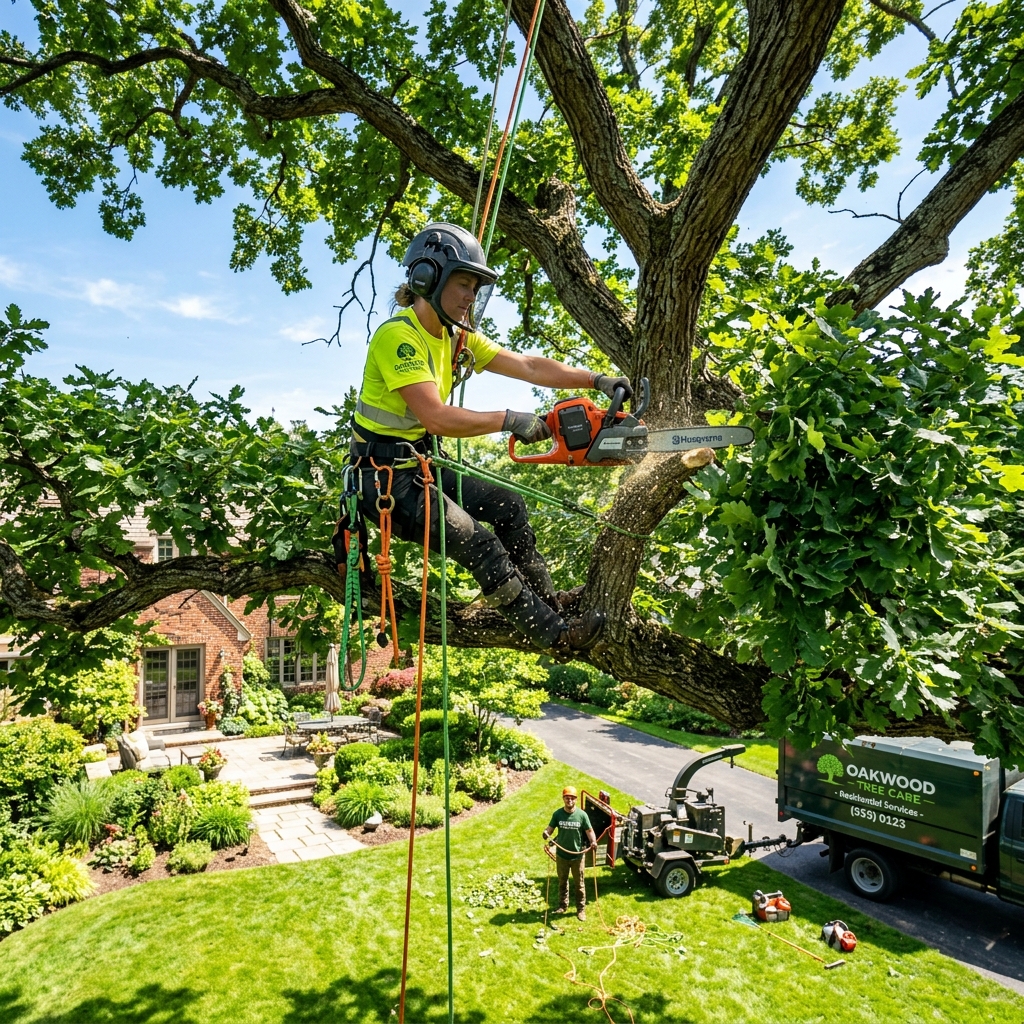
Expert Tree Health Diagnosis: What Tampa Homeowners Must Know
A professional tree health diagnosis in Tampa involves a certified arborist meticulously inspecting your trees for disease, pests, structural issues, and environmental stressors unique to Florida's climate. Early detection and expert assessment are crucial to prevent costly damage, ensure safety, and maintain the vitality of your valuable landscape.
As a homeowner in Tampa, your trees are more than just part of your landscape; they're valuable assets that enhance property value, provide shade, and contribute to the local ecosystem. However, Florida's unique environment, with its subtropical climate, sandy soils, and prevalence of specific pests and diseases, presents ongoing challenges to tree health. Recognizing when your trees are in distress and understanding the importance of professional diagnosis is the first step toward preserving their health and ensuring the safety of your property. Tampa Tree Care Specialists are here to guide you through the process, offering expert insights and reliable solutions.
What Are Common Signs Your Tampa Tree Needs Professional Diagnosis?
Identifying tree problems early can prevent irreversible damage. While some signs are obvious, others are subtle and require a trained eye. Here are key indicators that suggest your tree needs immediate professional attention:
- Unusual Leaf Appearance: Look for yellowing (chlorosis), browning, wilting, stunted growth, or premature leaf drop outside of typical seasonal changes. Spots, holes, or abnormal growths on leaves can also signal an issue.
- Branch Dieback or Cankers: Dead or dying branches, especially in the upper canopy, are a strong warning sign. Sunken areas on branches or the trunk, known as cankers, often indicate fungal or bacterial infections.
- Trunk and Bark Irregularities: Deep cracks, splitting bark, excessive sap bleeding, or visible decay are serious symptoms. The presence of fungal conks (mushrooms) at the base or on the trunk often points to advanced internal rot.
- Pest Infestations: While some insects are harmless, others, like borers, whiteflies, or scale insects, can cause significant damage. Look for sawdust-like frass, insect galleries, webbing, or a sticky residue (honeydew) on leaves and surfaces below.
- Root Collar Issues: Exposed roots, girdling roots (roots growing around the trunk), or excessive soil mounding can restrict nutrient flow and compromise stability.
- Leaning or Instability: Any sudden leaning, heaving of soil around the base, or general instability of the tree should be addressed immediately, as it indicates a high risk of failure.
Ignoring these signs can lead to weakened trees that are susceptible to storm damage, pose a safety hazard, and eventually require costly removal.
How Do Tampa's Unique Environment and Pests Impact Tree Health?
Tampa's distinct environmental factors create specific challenges for tree health that homeowners should be aware of. Our humid, subtropical climate is ideal for many tree species but also fosters the proliferation of certain pests and diseases.
- Intense Heat and Humidity: Prolonged periods of high temperatures and humidity can stress trees, making them more vulnerable to disease and insect attacks. It also promotes the growth of fungi.
- Heavy Rainfall and Hurricanes: While essential for growth, excessive rain can lead to waterlogged soils, depriving roots of oxygen and increasing the risk of root rot. Hurricane season brings the threat of high winds, which exploit existing structural weaknesses in trees.
- Sandy Soils: Much of Tampa's soil is sandy, which can lead to rapid nutrient leaching and necessitate specialized fertilization programs to ensure trees receive adequate nutrition.
- Specific Local Pests: Tampa trees are susceptible to several notorious pests. The Ficus whitefly and spiraling whitefly can devastate Ficus hedges and other ornamentals. Asian ambrosia beetles target a wide range of trees, drilling into trunks and branches. Early identification and targeted treatments are critical.
- Prevalent Tree Diseases: Diseases like Lethal Bronzing (affecting palm trees) and Ganoderma butt rot (common in Live Oaks and other broadleaf trees) are serious threats that require professional diagnosis and often lead to tree removal if detected late. Laurel wilt is also a concern for specific tree species. These are complex issues that often impact not only individual properties but also surrounding communities. If you observe these symptoms on your trees in areas like Gibsonton, immediate professional assessment is vital.
Understanding these regional stressors helps homeowners appreciate why proactive tree health management is so important in the Tampa Bay area.
What to Expect During a Professional Tree Health Assessment in Tampa?
When you call Tampa Tree Care Specialists for a professional tree health diagnosis, you're engaging a team of certified arborists who bring expertise and specialized tools to your property. Here's a typical overview of what the assessment involves:
- Initial Consultation and Site History: Our arborist will discuss your concerns, review the tree's history (e.g., recent construction, watering habits, previous treatments), and consider the overall site conditions.
- Thorough Visual Inspection: This is the cornerstone of diagnosis. The arborist will systematically examine the entire tree, from the root collar to the furthest branches, looking for the signs mentioned above. This includes assessing the canopy density, leaf color, twig growth, trunk integrity, and root flare.
- Diagnostic Tool Utilization: Depending on initial observations, specialized tools may be used. These can include:
- Probes: To check for soil compaction or root health.
- Increment Borers: To take core samples for assessing internal decay (used judiciously to minimize tree damage).
- Magnifying Lenses: For detailed inspection of pests or fungal structures.
- Soil Testing Kits: To analyze nutrient deficiencies or pH imbalances.
- Lab Analysis: In complex cases, samples of leaves, bark, or wood may be sent to a laboratory for definitive identification of diseases or pests.
- Hazard Assessment: A critical component is evaluating the tree's structural integrity and its potential risk to people or property, especially relevant during Tampa's hurricane season.
- Environmental Factor Analysis: The arborist will also assess external factors such as soil conditions, sun exposure, proximity to structures, and impact from surrounding landscape or construction. Our service extends beyond Tampa proper, reaching neighboring communities. For residents seeking thorough tree health evaluations, for example, Clearwater homeowners can expect the same meticulous attention to local environmental impacts on their trees.
Our goal is to provide a comprehensive understanding of your tree's condition, not just a quick guess. This detailed approach ensures that any recommendations are based on sound scientific principles and local expertise.
Understanding Your Tree Diagnosis: Next Steps and Treatment Options
Once the assessment is complete, our arborist will provide a clear, concise diagnosis of your tree's health issues. We believe in educating our clients, so we'll explain the findings in plain language, detailing the specific disease, pest, or environmental stressor affecting your tree.
Following the diagnosis, we'll present a tailored action plan with recommended treatment options. These solutions are designed to be effective, sustainable, and appropriate for your tree's condition and your property's needs. Common treatment options include:
- Pruning: Strategic removal of dead, diseased, or hazardous branches to improve tree structure, health, and appearance.
- Pest Management: Targeted insecticide applications, biological controls, or cultural practices to manage specific insect infestations.
- Disease Management: Fungicides, bactericides, or systemic injections for specific tree diseases. In some cases, cultural practices like improving air circulation or sanitation are recommended.
- Nutrient Management: Deep root fertilization or soil amendments to correct deficiencies and improve overall tree vigor.
- Cabling and Bracing: Installing supportive cables or braces to strengthen structurally weak branches or multi-stemmed trees, preventing failure.
- Root Zone Care: Aeration, mulching, or root barrier installation to alleviate compaction and promote healthy root growth.
- Tree Removal: In unfortunate cases where a tree is beyond saving, poses an unacceptable risk, or is significantly hindering other landscape elements, safe and efficient removal will be recommended.
- Monitoring and Prevention: For less severe issues, or after treatment, ongoing monitoring and preventative care might be advised to maintain long-term health.
We'll also discuss the associated costs for each recommended service, ensuring you have a full understanding before making any decisions. Our priority is to help you make informed choices that protect your investment and maintain a beautiful, healthy landscape.
Don't wait until it's too late. If you suspect your trees are struggling or if you simply want a professional assessment for peace of mind, contact Tampa Tree Care Specialists today. Our certified arborists are ready to provide expert tree health diagnosis and effective solutions tailored to the unique needs of your Tampa property. Call us now for a consultation and safeguard your valuable trees for years to come.
Need Professional Assistance?
Get a free, no-obligation estimate from our expert local team today.