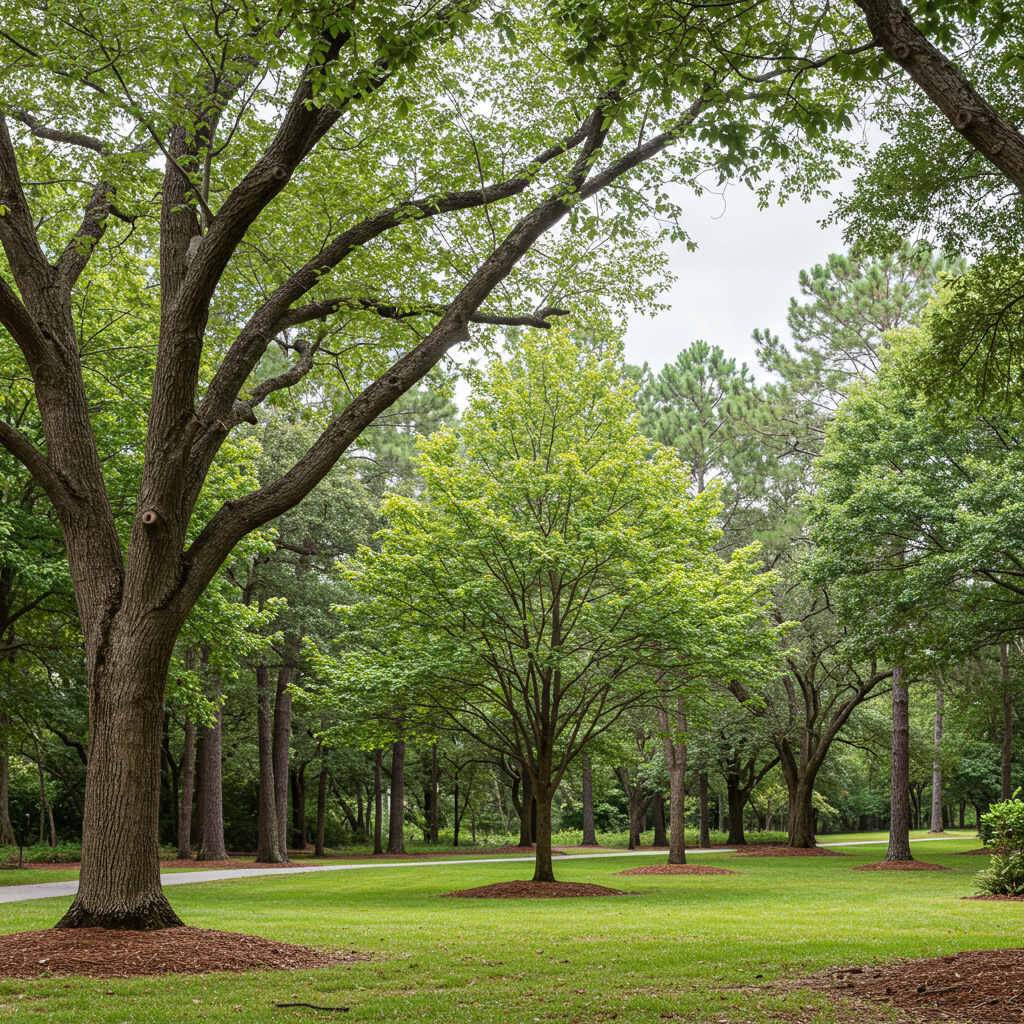
Protect Your Tampa Oasis: Early Detection of Tree Diseases & Pests Saves Your Landscape
Identifying a sick tree in Tampa involves observing changes in leaves (discoloration, spots, wilting), bark (cracks, peeling, cankers), branches (dieback, unusual growths), and overall tree vigor. Early detection of pests like aphids, borers, or scale often includes noticing sticky residue, holes in leaves, or visible insect presence.
What common tree disease signs should Tampa homeowners look for?
As a homeowner in Tampa, your trees are a significant investment, providing shade, beauty, and even increasing property value. Unfortunately, they're also susceptible to various diseases, often exacerbated by our humid climate. Early detection is paramount to prevent widespread damage and save your trees. Here are the crucial signs to watch for:
- Leaf Discoloration and Spots: While autumn colors are beautiful, year-round yellowing (chlorosis), browning, or purpling of leaves can indicate nutrient deficiencies, root issues, or fungal diseases. Look for unusual spots – black tar spots on maple leaves, powdery white mildew, or irregular brown lesions could all be disease indicators.
- Wilting or Drooping Leaves: Healthy leaves stand firm. If leaves start to wilt or droop, even when the soil is moist, it could signal root rot, vascular diseases like Ganoderma, or severe drought stress that compromises water uptake. Sudden wilting in a specific section of the canopy is particularly alarming.
- Cankers and Lesions on Bark: Cankers are sunken, discolored areas on bark, often with oozing sap. They can be caused by fungi or bacteria and can girdle branches or trunks, cutting off nutrient flow. Keep an eye out for any unnatural cracking, splitting, or peeling of bark beyond normal growth.
- Branch Dieback: The progressive death of branches, starting from the tips and moving inward, is a clear sign of stress or disease. This can be caused by fungal pathogens, root problems, or environmental stressors. Observe if only a specific section or the entire canopy is affected.
- Unusual Growths: Fungal conks or mushrooms growing on the trunk or at the base of the tree often indicate internal decay, especially from pathogens like Ganoderma fungus, which is prevalent in Florida. Also, look for galls – abnormal swellings on leaves, twigs, or branches – caused by insects, fungi, or bacteria.
Understanding these visual cues is the first step in maintaining a healthy landscape. The sooner you identify an issue, the more effective and less costly treatment will be.
How do you identify early pest infestations on your Tampa trees?
Tree pests can be just as destructive as diseases, often weakening trees and making them more susceptible to other issues. Being vigilant for early signs of infestation can save your trees from irreversible harm. Here's what to look for:
- Visible Insects: This might seem obvious, but many pests are tiny. Inspect the undersides of leaves and along stems for aphids (small, pear-shaped, green/black/brown), scale insects (small, immobile bumps), mealybugs (fuzzy white masses), or spider mites (tiny red/brown dots, often with fine webbing).
- Holes and Chewing Damage: Irregular holes in leaves indicate chewing insects like caterpillars or beetles. Small, circular holes in the bark, often with sawdust-like frass nearby, are classic signs of borers, which can cause significant internal damage.
- Sticky Residue (Honeydew): Many sap-sucking insects, such as aphids and scale, excrete a sticky substance called honeydew. This often coats leaves, branches, and anything beneath the tree. Black sooty mold frequently grows on honeydew, further indicating an infestation.
- Webs and Silk: While spiders are beneficial, excessive webbing on leaves or branches can indicate spider mites or tent caterpillars. These webs can severely impact photosynthesis.
- Deformed or Stunted Growth: Pests feeding on new growth can cause leaves to curl, crinkle, or become distorted. Young shoots may appear stunted or discolored. This is often a sign of aphids or thrips.
Regular, close inspection of your trees, especially during peak growing seasons, will significantly improve your chances of catching these pests before they take over. Remember, some pests are tiny and require a keen eye or even a magnifying glass to spot.
Why is proactive tree inspection crucial for Tampa's climate?
Tampa's unique subtropical climate, characterized by high humidity, abundant rainfall, and occasional extreme weather, presents both advantages and challenges for tree health. This environment makes proactive tree inspection not just recommended, but absolutely crucial for the longevity and health of your landscape. Here's why:
- Rapid Disease and Pest Spread: The warm, humid conditions in Tampa are ideal for the proliferation of many fungal diseases and insect pests. What starts as a minor issue can quickly escalate into a widespread problem if not addressed promptly. Pathogens and pests thrive in moisture and warmth, meaning their life cycles can accelerate.
- Hurricane Season Vulnerability: Healthy trees are more resilient to the strong winds and heavy rains of hurricane season. Trees weakened by disease or pests are far more likely to suffer structural damage, posing a significant safety risk to your property and family. Proactive inspection helps identify compromised limbs or entire trees that may need reinforcing or removal before a storm hits.
- Water Stress and Soil Conditions: While Tampa gets a lot of rain, periods of drought can still stress trees, making them vulnerable. Conversely, excessive rainfall can lead to waterlogged soils, promoting root rot. Regular inspection helps you monitor your trees' response to varying moisture levels and adjust your watering or drainage strategies.
- Native vs. Non-Native Species: Tampa landscapes often feature a mix of native and non-native trees. Non-native species can sometimes be more susceptible to local pests and diseases, requiring closer monitoring. Understanding your specific tree types and their common vulnerabilities is key.
- Saving Money and Trees: Addressing tree problems in their early stages is almost always less expensive and more successful than treating advanced issues. A small infestation might require a targeted treatment, while a severe one could necessitate costly removal or extensive remediation. Proactive inspection is an investment in your landscape's future.
By regularly inspecting your trees, you’re not just looking for problems; you’re understanding your trees' health rhythms and responding to their needs, ensuring a more resilient and beautiful Tampa landscape.
What steps should you take if you suspect your Tampa tree is in trouble?
Spotting signs of disease or pests can be concerning, but knowing the right steps to take can make all the difference. Don't panic; act strategically to give your tree the best chance of recovery.
- Document Your Observations: Take clear photos of the affected areas (leaves, bark, branches, overall tree). Note when you first noticed the signs, any changes in appearance, and the specific tree species if you know it. This information will be invaluable to a professional.
- Avoid Self-Diagnosis and DIY Treatments: While your intentions are good, misidentifying a disease or pest can lead to ineffective treatments, wasted money, and potentially further harm to your tree. Many store-bought remedies are not appropriate for all situations and can even damage beneficial insects or the environment.
- Contact a Certified Arborist in Tampa: This is the most crucial step. A certified arborist has the training, experience, and tools to accurately diagnose the problem. They understand the specific diseases and pests common to the Tampa area and can recommend the most effective, science-backed treatment plan.
- Be Prepared for a Consultation: When the arborist visits, be ready to show them your documented observations. They will conduct a thorough examination of the tree, its surrounding environment, and may take samples for laboratory analysis if needed.
- Follow Professional Recommendations: Based on the diagnosis, the arborist will provide a tailored plan which might include: pruning affected branches, specific fungicide or insecticide applications, soil amendments, root collar excavation, or in severe cases, removal of the tree to prevent spread to others. Trust their expertise.
- Implement Long-Term Preventative Care: After treatment, discuss ongoing care with your arborist. This might include proper watering, fertilization, mulching, and routine inspections to prevent future issues. Prevention is always better than cure.
Your trees are living assets that require expert attention when they're struggling. By following these steps and relying on professional guidance, you can effectively manage tree health challenges in your Tampa yard.
Protecting your Tampa landscape from tree diseases and pests requires vigilance and timely action. Understanding the early warning signs empowers you to be a proactive steward of your property's natural beauty. When in doubt, don't hesitate to reach out to the experts. Tampa Tree Care Specialists are your trusted local partners, offering comprehensive tree health assessments, precise diagnoses, and effective treatment plans tailored to the unique challenges of our Florida environment. Contact us today to schedule a professional tree inspection and ensure your trees remain healthy, vibrant, and resilient for years to come.
Need Professional Assistance?
Get a free, no-obligation estimate from our expert local team today.