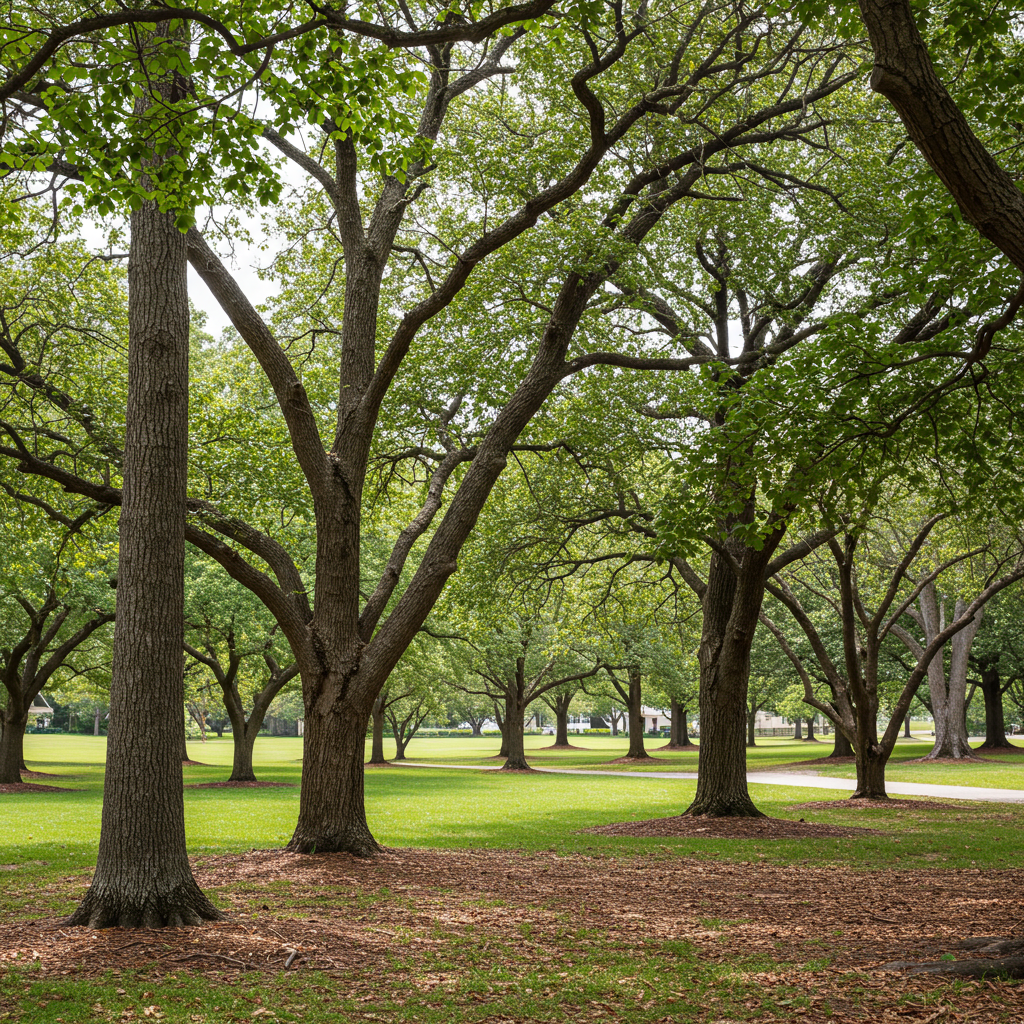
Tampa Tree Health: Your Essential Guide to Identifying Common Tree Diseases
In sunny Tampa, our trees are more than just part of the landscape; they provide crucial shade, enhance property value, and contribute to the city's unique charm. However, these vital green assets are susceptible to a variety of diseases, often exacerbated by our humid climate and specific local pathogens. Early detection is paramount to effective treatment, saving your trees from irreparable damage or even removal. Understanding the signs and knowing when to call a professional can make all the difference for your valuable trees.
What are the common signs of tree disease in Tampa?
Common signs of tree disease in Tampa include discolored leaves, stunted growth, wilting, cankers, unusual growths, and the presence of fungal bodies. Early detection, often through changes in leaf color, texture, or pattern, is crucial for timely intervention to save your valuable trees and prevent further spread.
Tampa's warm, moist environment, while great for lush growth, also creates ideal conditions for many tree diseases. Fungal, bacterial, and even viral pathogens can thrive, impacting various tree species. Understanding the most common ailments helps you know what to look for:
- Ganoderma Root Rot: A pervasive and often fatal fungal disease, especially in palms and broadleaf trees. It attacks the roots and lower trunk, leading to internal decay. The most visible sign is the appearance of a hard, shelf-like conk (fruiting body) at the base of the tree or on the lower trunk. These conks are a clear indicator of advanced internal decay, making the tree unstable and hazardous.
- Powdery Mildew: Common on young leaves and new growth, appearing as a white, powdery coating. While rarely fatal to mature trees, severe infections can stunt growth, cause leaf distortion, and reduce plant vigor.
- Leaf Spot Diseases: Caused by various fungi or bacteria, these manifest as spots of varying colors (brown, black, yellow) on leaves. While often cosmetic, severe defoliation can weaken a tree, making it susceptible to other stressors.
- Cankers: Sunken, discolored lesions on bark, branches, or trunks. These are caused by fungi or bacteria that kill the cambium layer beneath the bark. Cankers can girdle branches or trunks, cutting off nutrient flow and eventually leading to dieback.
- Bacterial Leaf Scorch (BLS): Affects a wide range of trees, including oaks, elms, and sycamores. Symptoms include browning or scorching of leaf margins, often progressing inward. The affected areas typically have a yellow halo, and symptoms worsen over the summer, often becoming more noticeable on one side of the tree.
- Sooty Mold: A black, sooty coating on leaves and branches. It's not a direct disease of the tree but grows on the sugary honeydew excreted by sap-sucking insects like aphids, scale, or whiteflies. While it doesn't directly infect the tree, it blocks sunlight, hindering photosynthesis and indicating an underlying pest problem.
Recognizing these common diseases and their specific manifestations is the first step in protecting your Tampa landscape. Regular, attentive observation of your trees is your best defense.
How can homeowners effectively identify early symptoms of tree disease in Tampa?
Early detection is crucial for mitigating tree disease and often offers the best chance for successful treatment. As a homeowner in Tampa, regular inspection of your trees can help you spot subtle changes before they become severe. Here's a checklist of what to look for:
- Changes in Foliage:
- Discoloration: Look for yellowing (chlorosis), browning, or blackening of leaves outside of typical seasonal changes.
- Spots or Lesions: Small, dark, or light spots on leaves can indicate fungal or bacterial infections.
- Wilting or Drooping: Leaves that appear to be sagging or losing turgidity can signal root problems or vascular diseases, especially when soil moisture is adequate.
- Premature Leaf Drop: If your tree is shedding leaves significantly earlier than its natural cycle, it's a red flag.
- Stunted or Deformed Growth: New leaves or shoots that are unusually small, twisted, or distorted can be a symptom of various issues.
- Bark Abnormalities:
- Cankers: Pay attention to sunken or discolored areas on the bark, sometimes with oozing sap.
- Cracks or Splits: While some trees have natural bark patterns, unusual or deep cracks can indicate stress or disease.
- Peeling or Flaking: Excessive or unusual bark peeling can be a sign of underlying problems.
- Fungal Growths: Mushrooms, conks, or shelf-like fungi growing on the trunk or at the base are definite indicators of decay within the tree.
- Branch and Twig Issues:
- Dieback: Dead or dying branches, starting from the tips and progressing inwards, are a common symptom.
- Brittle Branches: Branches that snap easily or appear unusually weak.
- Unusual Growths: Galls (abnormal swellings) or other strange formations on branches and twigs can be disease-related.
- Trunk and Root Collar Concerns:
- Leaning or Instability: A sudden lean or visible instability of the tree.
- Sap Exudation: Excessive or discolored sap leaking from the trunk.
- Rot at the Base: Soft, decaying wood at the base of the trunk or root flare.
- Fungi Around Roots: Mushrooms or fungal structures near the tree's base or along major roots.
When inspecting your trees, walk around them slowly, observing from all angles. Pay attention to the overall canopy, individual branches, and the trunk down to the root collar. These routine observations are essential for catching problems when they are most treatable.
Why is professional diagnosis crucial for managing tree diseases in the Tampa Bay area?
While homeowners can effectively identify symptoms, pinpointing the exact cause of a tree's distress often requires expert knowledge. Many diseases present similar symptoms, making accurate self-diagnosis challenging and potentially leading to ineffective or harmful treatments. This is where the expertise of a certified arborist becomes invaluable for Tampa residents.
Here's why professional diagnosis is critical:
- Accurate Identification: A certified arborist possesses specialized training in tree pathology, entomology, and horticulture. They can differentiate between various pathogens, pest infestations, and environmental stressors that mimic disease symptoms. For example, nutrient deficiencies can cause yellowing leaves, similar to some diseases, but require entirely different solutions.
- Understanding Local Pathogens: Arborists practicing in Tampa are intimately familiar with the specific diseases and pests prevalent in the region's climate and soil conditions. They know which species are most susceptible to certain ailments and can recognize subtle signs that might be overlooked by an untrained eye.
- Comprehensive Assessment: Beyond just identifying the disease, a professional arborist conducts a holistic health assessment of the tree. This includes evaluating soil conditions, root health, structural integrity, and environmental factors that might be contributing to the tree's vulnerability. They can often spot underlying issues that predispose a tree to disease.
- Effective Treatment Plans: Based on an accurate diagnosis, arborists can recommend the most effective and environmentally responsible treatment options. This might involve:
- Targeted Pruning: Removing diseased branches to prevent spread.
- Fungicides or Insecticides: Applying specific treatments to control pathogens or pests.
- Soil Amendments: Improving soil health to boost the tree's natural defenses.
- Watering and Fertilization Regimes: Optimizing cultural practices to reduce stress.
- Tree Removal: In severe cases, safely recommending and executing the removal of a hazardous, irrecoverable tree to protect property and other healthy trees.
- Preventing Spread: An infected tree can quickly become a source of inoculum for neighboring trees. A professional can advise on containment strategies and preventative measures for other susceptible trees in your landscape.
- Safety: Diseased trees can become structurally unsound, posing a significant risk of falling branches or entire trees. An arborist can assess these risks and recommend appropriate actions to ensure safety.
Attempting to self-diagnose and treat a tree disease can lead to wasted effort, money, and potentially worsen the tree's condition. Trusting a professional ensures your tree receives the right care, maximizing its chance of recovery and long-term health.
What preventative measures can Tampa homeowners take against tree diseases?
Prevention is always better than cure, especially when it comes to tree diseases. By implementing proactive care practices, Tampa homeowners can significantly reduce the likelihood of their trees falling victim to common pathogens and pests. These strategies focus on enhancing the tree's natural defenses and minimizing environmental stressors.
- Proper Planting:
- Right Tree, Right Place: Select tree species that are well-suited to Tampa's climate, soil, and the specific conditions of your yard (sunlight, space). Native trees often have higher resistance to local diseases.
- Correct Depth: Plant trees at the proper depth, ensuring the root collar (where the trunk flares out) is at or slightly above ground level. Planting too deep is a common mistake that leads to root rot and stress.
- Adequate Watering:
- Deep and Infrequent: Provide deep, thorough watering, especially during dry spells, to encourage deep root growth. Avoid frequent, shallow watering which encourages surface roots and makes trees more susceptible to drought stress.
- Avoid Overwatering: Ensure good drainage. Waterlogged soil can lead to root rot.
- Effective Mulching:
- Apply Properly: Maintain a 2-4 inch layer of organic mulch (like wood chips) around the tree's base, extending to the drip line. This helps retain soil moisture, regulate temperature, and suppress weeds.
- Avoid "Volcano Mulching": Keep mulch away from the trunk's base to prevent moisture buildup and potential bark decay.
- Strategic Pruning:
- Remove Dead/Diseased Wood: Regularly prune away dead, damaged, or diseased branches. This improves air circulation, removes potential entry points for pathogens, and eliminates sources of infection.
- Proper Techniques: Use correct pruning cuts to minimize stress and promote healing. Avoid over-pruning, which can weaken the tree.
- Sanitize Tools: Always disinfect pruning tools between cuts and between trees, especially when dealing with diseased wood, to prevent disease spread.
- Soil Health and Nutrition:
- Soil Testing: Conduct a soil test every few years to understand nutrient deficiencies or pH imbalances.
- Appropriate Fertilization: Based on soil test results, apply fertilizers as needed. Over-fertilization or incorrect nutrient balances can stress trees. Healthy soil fosters a robust root system, which is key to disease resistance.
- Pest Management:
- Monitor for Pests: Many pests, like scale insects or borers, can weaken a tree, making it more vulnerable to disease. Early detection and management of pest infestations are crucial.
- Integrated Pest Management (IPM): Employ IPM strategies that prioritize non-chemical controls and target specific pests with minimal environmental impact.
- Regular Professional Inspections: Schedule periodic health assessments with a certified arborist. They can identify subtle signs of disease or pest issues before they become severe and recommend proactive treatments tailored to your Tampa landscape.
By integrating these preventative measures into your tree care routine, you create a resilient landscape that can better withstand the challenges of Tampa's environment and the threat of tree diseases. Proactive care not only saves your trees but also preserves the beauty and value of your property.
Protecting your trees from disease is an investment in your property's future and the health of our Tampa ecosystem. Recognizing the early warning signs and understanding the specific diseases common to our area empowers you as a homeowner. However, accurate diagnosis and effective treatment often require the specialized knowledge and equipment of a professional. If you suspect your trees are ailing or simply wish to ensure their ongoing health, don't hesitate to reach out. Tampa Tree Care Specialists are dedicated to providing expert tree health assessments, precise disease diagnosis, and tailored treatment plans designed to keep your trees thriving. Trust our certified arborists to safeguard your valuable landscape assets with unparalleled expertise and care.
Need Professional Assistance?
Get a free, no-obligation estimate from our expert local team today.