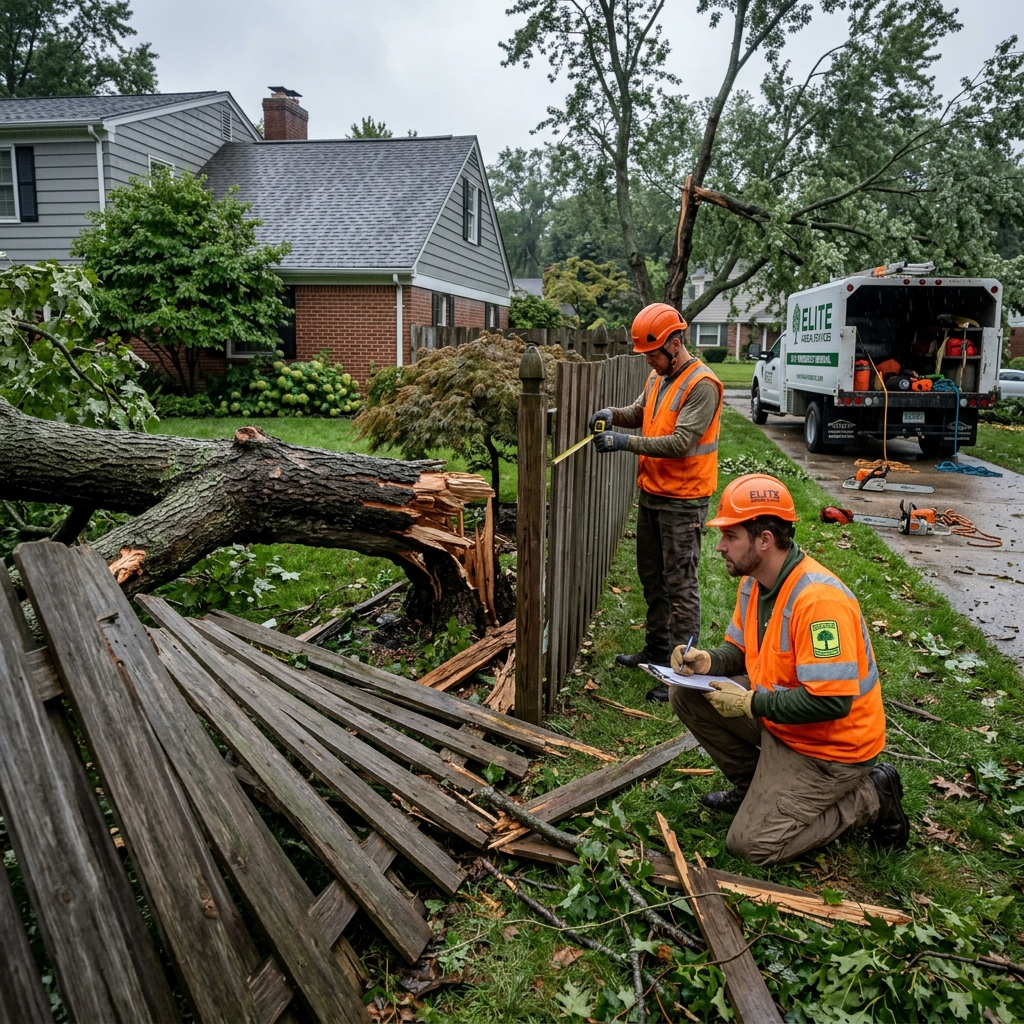
Protect Your Tampa Property: Preventing Catastrophic Tree Failure & Costly Damage
Trees are a beautiful and valuable asset to any Tampa property, providing shade, enhancing curb appeal, and contributing to the local ecosystem. However, unchecked growth, disease, pest infestations, and especially severe weather can compromise their structural integrity, turning a beloved landscape feature into a significant liability. In a city like Tampa, where hurricanes and tropical storms are annual threats, understanding and preventing tree failure isn't just about tree health; it's about property protection and public safety. This guide from Tampa Tree Care Specialists will walk you through the common causes of tree failure, critical warning signs to look for, and the professional steps necessary to maintain a safe and resilient tree canopy.
What Are the Leading Causes of Tree Failure in Tampa, FL?
Tampa's unique subtropical climate, characterized by abundant rainfall, high humidity, and the occasional fury of tropical storms and hurricanes, creates specific challenges for tree health and stability. Understanding these factors is the first step in prevention:
- Severe Weather Events: Hurricanes, tropical storms, and even strong thunderstorms can exert immense force on trees, leading to uprooting, branch breakage, and trunk splitting. Saturated soils further weaken root anchorage, making trees more susceptible to being blown over.
- Root Rot and Disease: High humidity and poorly draining soils can foster fungal pathogens that lead to various forms of root rot. Diseases like Ganoderma Butt Rot, common in palms and hardwoods, progressively weaken the tree's base, making it prone to sudden failure with little outward warning. Early detection is crucial, and if you need dependable Tree Services in Lutz for such issues, our team is equipped to diagnose and treat these conditions.
- Pest Infestations: Insects like borers or termites can tunnel through a tree's cambium and heartwood, compromising its structural integrity from the inside out. While some infestations are visible, others can be hidden until significant damage has occurred.
- Improper Pruning Practices: "Lion-tailing" (removing too many internal branches), topping, or making improper cuts can create weak points, promote decay, and lead to poor tree structure, increasing the likelihood of failure during high winds.
- Age and Structural Defects: Over time, trees can develop internal decay, weak branch unions (e.g., codominant stems with included bark), or girdling roots that restrict growth and weaken the tree. These issues often go unnoticed by the untrained eye until it's too late.
- Construction Damage: During construction, roots can be severed, soil compacted, or trunks damaged, leading to delayed stress and eventual tree decline or failure years later.
How Can I Identify Warning Signs of Tree Instability on My Property?
Regularly inspecting your trees for subtle changes can be the difference between proactive prevention and emergency response. Here are critical warning signs that indicate a tree may be compromised and pose a risk:
- Significant Lean: A tree that suddenly or progressively starts to lean, especially after a storm, is a major red flag. This often indicates root damage or soil instability.
- Cracks or Splits: Look for vertical cracks in the trunk, or splits in major limbs. These are direct indicators of structural weakness.
- Dead Branches and "Widowmakers": Large dead branches hanging precariously in the canopy are extremely dangerous and can fall at any time. A tree with an abundance of deadwood suggests underlying health issues.
- Fungal Growth at the Base or Trunk: Mushrooms, conks, or other fungal fruiting bodies emerging from the trunk or root flare are signs of internal decay. The fungus you see is often just the tip of a much larger problem inside the tree.
- Heaving Soil Around the Base: If the soil around the base of the tree appears to be mounding or cracking, it indicates that the root plate is lifting, a strong precursor to uprooting.
- Exposed Roots: While some roots are naturally superficial, newly exposed or severely damaged large roots can compromise stability.
- Cavities and Hollows: Visible holes or hollow sections in the trunk or major limbs point to significant decay and loss of structural strength.
- Pest Activity: Sawdust, boreholes, or unusual insect trails on the trunk or branches can signal an active infestation weakening the tree.
What Does a Professional Tree Risk Assessment Involve in Tampa?
When you observe any of these warning signs, or simply want peace of mind, a professional tree risk assessment by certified arborists from Tampa Tree Care Specialists is an invaluable investment. Our assessment process is thorough and designed to identify potential hazards before they escalate:
- Comprehensive Visual Inspection: Our arborists will meticulously examine the entire tree, from roots to canopy, looking for external signs of stress, decay, structural defects, and pest activity. We'll also consider the surrounding environment, including proximity to structures, power lines, and pedestrian areas.
- Root Collar and Soil Examination: We carefully inspect the root flare for signs of decay, girdling roots, or mechanical damage. Soil conditions, compaction, and drainage are also assessed to understand the tree's anchoring capabilities.
- Advanced Diagnostic Tools (When Necessary): For complex cases, we may use specialized tools such as a resistograph, which can detect internal decay without significantly harming the tree, or ground-penetrating radar to map root systems.
- Target Assessment: We evaluate what would be hit if the tree or a part of it failed. This helps prioritize mitigation efforts based on potential impact.
- Risk Rating and Recommendations: Based on our findings, we assign a risk rating and provide clear, actionable recommendations. These might include:
- Pruning: Structural pruning, deadwood removal, or crown reduction to improve balance and reduce weight.
- Cabling and Bracing: Installing support systems for weak limbs or multiple leaders.
- Pest and Disease Management: Targeted treatments to eliminate infestations or control disease progression.
- Soil Amendments: Improving soil health to foster stronger root systems.
- Removal: In cases of irreversible damage or extreme risk, removal may be the safest option. For expert removal services in Palm Harbor, our team provides safe and efficient solutions.
This detailed assessment helps you make informed decisions about your tree care needs, ensuring safety and preserving your landscape's value.
Proactive Measures to Prevent Costly Tree Failures
Prevention is always more cost-effective than reaction. Implementing proactive tree care strategies can significantly reduce the likelihood of catastrophic failure:
- Regular Professional Pruning: Beyond aesthetics, strategic pruning removes dead, diseased, or crossing branches, improves tree structure, and reduces wind resistance. This is an investment in your tree's long-term health and stability.
- Consistent Tree Health Monitoring: Annual inspections by a certified arborist can catch problems early, often when they are easier and less expensive to treat.
- Proper Watering and Nutrition: Ensure your trees receive adequate water, especially during dry spells, and appropriate fertilization to promote robust growth and disease resistance.
- Structural Support Systems: For trees with inherently weak structures or broad, heavy canopies, cabling and bracing can provide essential support, distributing stress and preventing limb failure.
- Mindful Landscaping and Construction: Protect tree roots from compaction or damage during any ground disturbing activities. Understand how new construction can impact existing trees.
By taking these steps, you not only protect your property but also extend the life and health of your valuable trees.
Emergency Response: What to Do After a Storm or Sudden Tree Damage?
Even with the best preventative care, Mother Nature can be unpredictable. If your property experiences tree damage due to a storm or sudden failure, here’s what to do:
- Prioritize Safety: Do not approach fallen trees or hanging branches, especially if they are near power lines. Assume all downed power lines are live and stay clear.
- Assess the Situation from a Safe Distance: Take photos for insurance purposes if possible, but do not attempt to clear large debris yourself.
- Call Professionals Immediately: Contact Tampa Tree Care Specialists for emergency tree removal or storm damage cleanup. Our team is equipped with the expertise and heavy machinery to safely and efficiently handle dangerous tree situations.
- Contact Your Insurance Company: Document the damage and notify your homeowner's insurance provider promptly.
Swift, professional action following tree damage minimizes further risks and facilitates a faster, safer recovery for your property.
Protecting your Tampa property from tree failure requires vigilance, knowledge, and timely professional intervention. Don't leave the health and safety of your trees to chance. For a thorough tree risk assessment, proactive tree care, or emergency storm damage response, contact Tampa Tree Care Specialists today. Our certified arborists are dedicated to preserving the beauty and safety of your landscape in Tampa, FL, and surrounding areas. Call us for a consultation and experience the peace of mind that comes with expert tree care.
Need Professional Assistance?
Get a free, no-obligation estimate from our expert local team today.