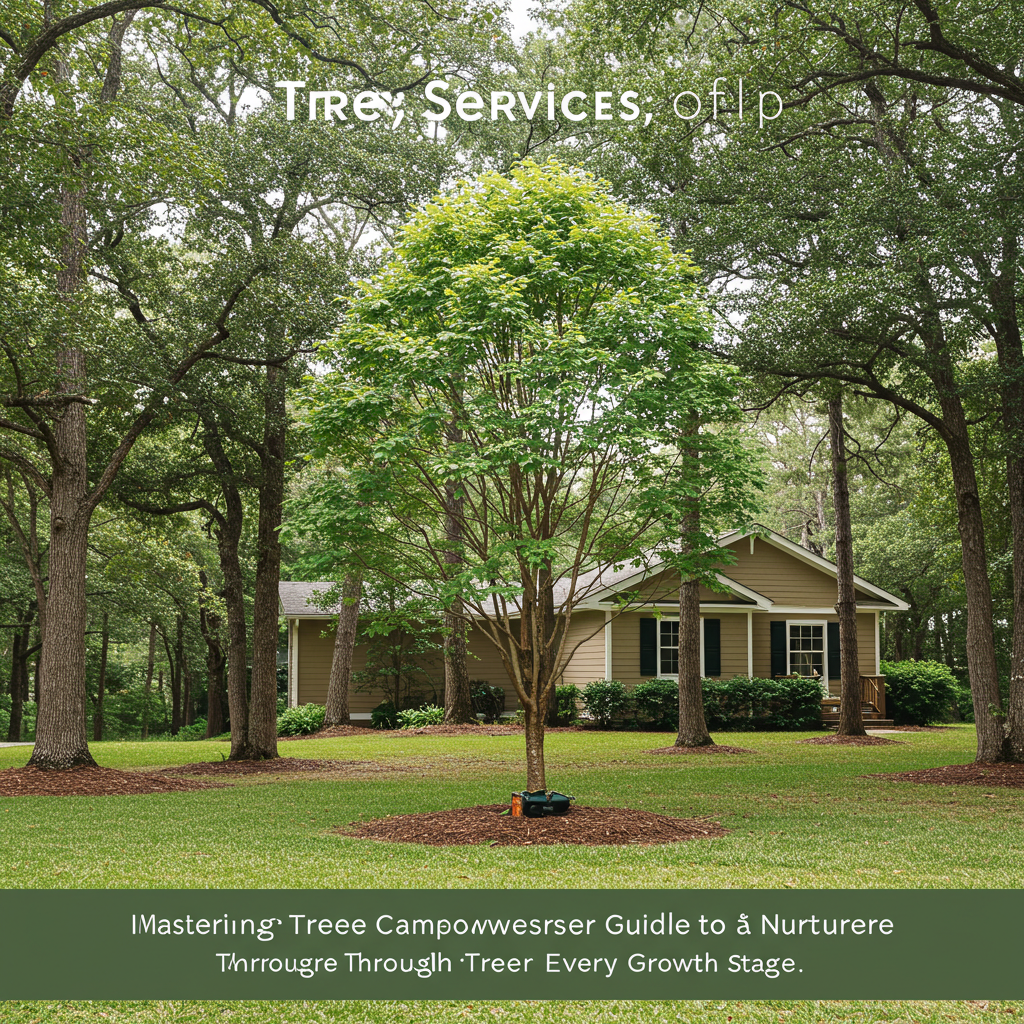
Mastering Tree Care: A Tampa Homeowner's Guide to Nurturing Trees Through Every Growth Stage
Understanding the various tree growth stages—establishment, juvenile, mature, and decline—is crucial for Tampa homeowners because each phase demands specific care, from initial planting and structural pruning to ongoing health assessments and strategic maintenance, ensuring longevity and vitality in our unique climate.
Trees are living investments that grow and change over time, much like any living organism. For homeowners in Tampa, recognizing these distinct growth stages is not just about academic interest; it's the foundation of effective, proactive tree care. Each stage presents unique challenges and opportunities, influenced heavily by our subtropical climate, sandy soils, and frequent storm activity. By understanding what your tree needs at each phase, you can prevent common issues, promote robust health, and ensure your trees contribute beauty, shade, and value to your property for decades.
What Are the Key Tree Growth Stages for Tampa's Climate?
In arboriculture, trees generally progress through four identifiable growth stages, each with its own characteristics and care requirements. While the exact timeline varies significantly by species and environmental conditions, understanding these phases is key to providing appropriate care:
- Establishment Stage (0-3 Years): This is the crucial initial period after planting. The tree focuses its energy on developing a strong root system to anchor itself and absorb water and nutrients. Above-ground growth is often minimal as the tree adapts to its new environment.
- Juvenile/Rapid Growth Stage (3-15 Years, Varies): Once established, the tree enters a period of vigorous growth. It rapidly increases in height and spread, developing its main structural branches. This stage is critical for shaping the tree's future form and health.
- Mature/Adult Stage (15+ Years to Many Decades): The tree reaches its full size and structural maturity. Growth slows considerably, and energy is redirected towards maintaining health, producing flowers and fruit, and fortifying existing structures. This is typically when trees provide maximum environmental benefits.
- Decline/Senescence Stage (Variable): Towards the end of its natural lifespan, the tree's vigor diminishes. Growth ceases, and it becomes more susceptible to pests, diseases, and structural failures. This stage often requires careful management to ensure safety.
Tampa's climate, with its high humidity, intense sun, and hurricane season, often accelerates certain aspects of these stages or introduces unique stressors. For instance, rapid growth in the juvenile stage demands careful structural pruning to prevent weak points that could fail in a storm. Similarly, mature trees require vigilant pest and disease monitoring due to the favorable conditions for many pathogens here.
How Do Care Needs Change During a Tree's Youthful Growth Phase in Tampa?
The early years of a tree's life are arguably the most critical for its long-term health and stability. Proper care during the establishment and juvenile stages sets the stage for a strong, resilient tree.
- Establishment Stage (0-3 Years):
- Proper Planting: Ensure the tree is planted at the correct depth, with the root flare (where the trunk widens at the base) visible above ground. This prevents girdling roots and trunk rot, common issues in Tampa's moist soils.
- Consistent Watering: Young trees need frequent, deep watering, especially during Tampa's dry seasons. This encourages roots to grow downward rather than staying at the surface. Avoid overwatering, which can lead to root rot.
- Strategic Mulching: Apply a 2-4 inch layer of organic mulch (like wood chips) around the base, keeping it a few inches away from the trunk. Mulch conserves soil moisture, moderates soil temperature, and suppresses weeds, all vital for new roots.
- Protection: Shield young trees from mechanical damage (weed whackers, mowers) and initial sunscald with tree wraps if necessary.
- Juvenile/Rapid Growth Stage (3-15 Years):
- Structural Pruning: This is the most important task. An arborist will remove crossing branches, competing leaders, and develop a strong central leader and well-spaced scaffold branches. This proactive pruning builds a robust architecture resistant to hurricane-force winds, a common threat in Tampa.
- Balanced Fertilization: As the tree grows rapidly, it requires a steady supply of nutrients. Soil testing can determine specific deficiencies, allowing for targeted fertilization to support vigorous, healthy growth.
- Pest and Disease Monitoring: Regularly inspect foliage and bark for signs of pests or diseases. Early detection and intervention are far more effective at this stage than waiting for symptoms to become severe.
- Staking/Guying Removal: If stakes were used, ensure they are removed once the tree is self-supporting, typically after 1-2 years. Leaving them on too long can hinder trunk development and create weak points.
What Essential Maintenance Do Mature Trees Require in Tampa?
Mature trees are the backbone of Tampa's urban canopy, offering immense environmental and aesthetic benefits. While their growth slows, their need for attentive, specialized care does not diminish. In fact, mature trees often require more nuanced management to maintain their health and safety.
- Regular Arborist Inspections: A certified arborist should conduct annual or biennial inspections. They can identify subtle signs of stress, internal decay, pest infestations, or structural weaknesses that a homeowner might miss, especially crucial before hurricane season.
- Maintenance Pruning: This focuses on removing dead, diseased, or damaged branches, thinning the canopy to improve air circulation (reducing fungal risks common in Tampa's humidity), and elevating lower branches for clearance. This type of pruning prolongs tree life and reduces hazard potential.
- Deep Watering: Although mature trees are more drought-tolerant than young ones, prolonged dry spells, especially during our intense summer heat, can stress them. Deep, infrequent watering encourages roots to seek moisture deeper in the soil, enhancing drought resilience.
- Nutrient Management: Mature trees still benefit from fertilization, especially if soil tests indicate deficiencies. Slow-release formulations or deep-root feeding can provide a steady supply of nutrients without promoting excessive, weak growth.
- Pest and Disease Management: While often more resilient, mature trees can still fall victim to specific pests or diseases prevalent in Tampa. A professional can diagnose issues and recommend appropriate, environmentally responsible treatments.
- Root Protection: Protect the critical root zone from soil compaction (e.g., from vehicles or heavy foot traffic) and damage during construction or landscaping projects. Roots are just as vital as the canopy.
How Can Tampa Homeowners Support Declining or Over-Mature Trees?
As trees enter their decline stage, their needs shift from promoting growth to managing safety, preserving remaining health, and potentially preparing for removal. This phase often requires the most expert intervention.
- Comprehensive Risk Assessment: For declining trees, a professional risk assessment is paramount. An arborist will evaluate the tree's structural integrity, identify decay, deadwood, or root issues that could pose a hazard to property or people. This is especially important for large trees near structures.
- Hazard Pruning: Any pruning conducted on declining trees is primarily focused on safety. This involves removing significant deadwood or structurally compromised branches to mitigate immediate risks, without over-pruning which could further stress the tree.
- Disease and Pest Management: Weakened trees are often more susceptible to secondary pests and diseases. While treatment may not restore full vigor, it can help manage the immediate threat and extend the tree's safe existence, if appropriate.
- Cabling and Bracing: For historically significant or cherished trees showing signs of structural weakness, cabling or bracing can provide supplemental support to prevent limb failure. This is a specialized service that requires professional installation and regular inspection.
- Consideration for Removal: Sometimes, the safest and most responsible option for a declining tree is removal. This decision should always be made in consultation with a certified arborist who can assess the tree's condition, risk factors, and the feasibility of preservation. Prompt removal of hazardous trees prevents serious accidents, particularly in storm-prone regions like Tampa.
- Replacement Planning: If a tree must be removed, plan for a replacement that is well-suited to Tampa's climate and your property's specific conditions. This ensures the continued benefits of a healthy urban canopy.
Understanding and responding to your tree's growth stage is the hallmark of responsible tree ownership. From the first sapling to a grand old specimen, each phase demands tailored attention. Tampa Tree Care Specialists are here to partner with you through every step of your tree's life journey. Our certified arborists can provide expert assessments, customized care plans, and professional services like precision pruning, fertilization, and safe removals, ensuring the health, beauty, and safety of your trees and property for generations to come. Trust us to provide the specialized care your Tampa trees deserve.
Need Professional Assistance?
Get a free, no-obligation estimate from our expert local team today.