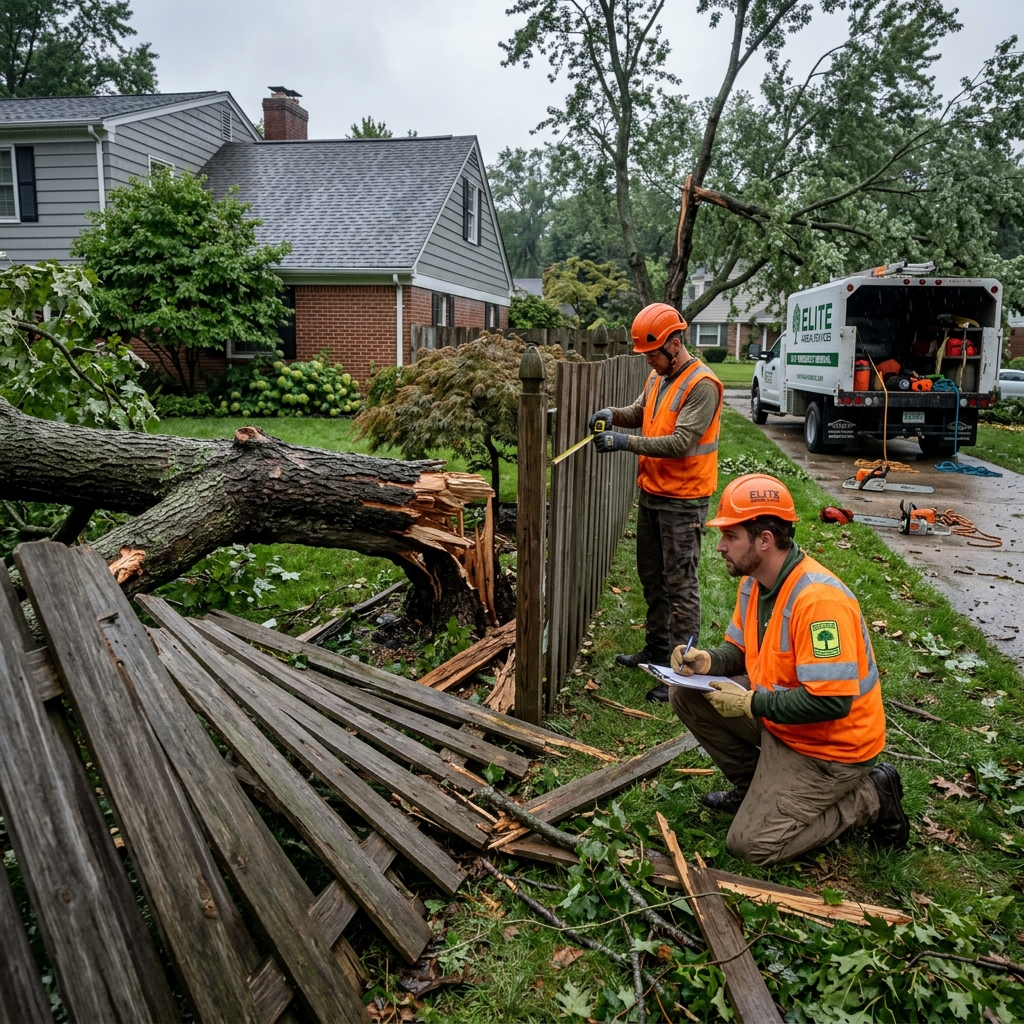
Is Your Tampa Tree a Hazard? Spot the Warning Signs Now!
If you observe significant dead branches, deep cracks in the trunk, a pronounced lean, or fungal growth at the base of your tree in Tampa, it's a critical sign of potential failure. These indicators demand immediate professional assessment from certified arborists like Tampa Tree Care Specialists to prevent property damage or injury.
Tampa's beautiful landscape is graced by countless majestic trees, providing shade, beauty, and ecological benefits. However, the very forces that shape our local environment—severe thunderstorms, hurricanes, high humidity, and specific soil conditions—can also turn a beloved tree into a significant hazard. Understanding the warning signs of a dangerous tree is not just about aesthetics; it's about safeguarding your property, your family, and your peace of mind.
What Makes a Tree Hazardous in Tampa's Climate?
Our unique Floridian climate, while beautiful, presents specific challenges for tree health and stability. Several factors contribute to a tree becoming a hazard in the Tampa Bay area:
- High Winds and Hurricanes: Tropical storms and hurricanes are a fact of life here. Trees with structural weaknesses, extensive decay, or poor root systems are highly susceptible to wind-related failure, often resulting in falling limbs or entire tree collapse.
- Saturated Soils: Heavy rainfall can saturate the ground, reducing soil stability and weakening the anchorage of a tree's root system. This makes trees more prone to uprooting, especially in windy conditions.
- Pests and Diseases: Tampa's warm, humid climate is a breeding ground for various tree pests and diseases, such as Ganoderma butt rot, Laurel Wilt, or various fungal infections. These can compromise a tree's internal structure, making it brittle and weak from the inside out.
- Poor Pruning Practices: Improper pruning, like 'topping' or removing too much canopy, can stress a tree, encourage weak limb attachments, and make it more vulnerable to disease and storm damage.
- Age and Decline: Like all living things, trees age. Older trees can develop internal decay or structural issues that aren't immediately visible, slowly becoming a ticking time bomb.
It's crucial to remember that what looks like a healthy tree on the surface might be harboring significant internal issues. This is why professional assessment is invaluable.
Key Signs Your Tree is a Potential Danger
Being proactive starts with knowing what to look for. Regular visual checks of your trees can help you identify potential problems before they escalate. Here are the most critical warning signs that your tree might be a hazard:
- Extensive Dead or Dying Branches: Branches without leaves, brittle wood, or those covered in fungi indicate significant decay. Large dead branches are prone to breaking off unexpectedly, especially during high winds.
- Cracks in the Trunk or Major Limbs: Vertical cracks, deep fissures, or splits in the bark are serious structural defects. These can indicate internal decay or weakness, making the tree vulnerable to splitting apart.
- Significant Lean: While some trees naturally grow with a slight lean, a sudden or pronounced lean, especially after a storm, often indicates root damage or soil instability. Look for exposed roots on the opposite side of the lean.
- Cavities and Holes: Large holes or hollows in the trunk or major limbs are clear signs of internal decay. The tree might look healthy externally, but its structural integrity could be severely compromised.
- Fungal Growth at the Base or on the Trunk: Mushrooms, conks, or other fungal fruiting bodies growing on the tree's trunk or at its base are a strong indicator of internal wood decay. These fungi are often the visible part of a much larger internal problem.
- Heaving Soil or Exposed Roots: If the soil around the base of the tree is heaving or cracking, or if major roots are visibly severed or lifted, it suggests a failing root system. This is a common precursor to tree uprooting.
- Weak Branch Unions: Branches that grow too close together, forming a narrow 'V' shape rather than a strong 'U' shape, are prone to splitting, especially under the stress of high winds or heavy rain.
If you observe any of these signs, particularly after a storm, it's imperative to act quickly. Ignoring these warnings can lead to serious consequences, including property damage, power outages, and even personal injury. For residents in the surrounding areas, timely intervention is just as critical; if you need dependable Tree Services in Wesley Chapel, our certified arborists are ready to assist.
What Happens During a Professional Hazard Assessment?
When you call Tampa Tree Care Specialists for a hazard assessment, you're engaging a team of certified arborists who understand tree biology and risk management. Here's what you can expect:
- Initial Consultation: We'll discuss your concerns, the tree's history, and any recent changes you've noticed.
- Thorough Visual Inspection: Our arborist will conduct a comprehensive inspection of the entire tree, from its root flare to the uppermost canopy. We look for all the signs mentioned above, plus subtle indicators like canopy thinning, discoloration, and insect activity.
- Advanced Diagnostic Techniques (if needed): For complex cases, we might use tools like sounding mallets to detect hollow areas, or even resistographs to assess internal decay without harming the tree.
- Risk Rating: We assign a risk rating based on the likelihood of failure, the potential for impact (targets like your home, power lines, or play areas), and the severity of consequences.
- Expert Recommendations: Based on our assessment, we'll provide clear, actionable recommendations. This could include:
- Pruning: Strategic removal of dead, diseased, or weak branches to reduce risk and improve tree health.
- Cabling and Bracing: Installing support systems to strengthen weak limbs or trunks, preventing splitting.
- Pest and Disease Management: Developing a treatment plan to address specific health issues.
- Tree Removal: If the tree poses an unacceptable risk that cannot be mitigated by other means, removal will be recommended as a last resort.
- Detailed Report and Estimate: You'll receive a detailed explanation of our findings, recommended actions, and a transparent estimate for the necessary services.
Understanding the Cost: Repairing vs. Removing a Hazardous Tree in Tampa
The cost associated with managing a hazardous tree in Tampa varies widely depending on several factors. Making an informed decision often boils down to balancing the cost of mitigation (pruning, cabling) against the cost of removal, and always considering the potential financial and safety costs of doing nothing.
- Tree Size and Type: Larger, older trees or those with unique characteristics (e.g., palms vs. oaks) typically cost more to service due to increased complexity and specialized equipment.
- Location and Accessibility: Trees in hard-to-reach areas, close to structures, power lines, or with limited access for equipment, will incur higher costs.
- Severity of Hazard: An emergency removal of a tree already leaning on your house is more complex and thus more expensive than a planned removal of a moderately hazardous tree.
- Required Equipment: Specialized equipment like cranes for large, dangerous removals or aerial lifts adds to the cost.
- Permits: Depending on the tree and its location, a tree removal permit from the City of Tampa or Hillsborough County may be required, which can involve a fee.
- Stump Grinding: Often an additional, optional service, stump grinding prevents regrowth and makes the area suitable for replanting or landscaping.
While the upfront cost of tree removal might seem high, it's often a fraction of the expense and heartache associated with repairing a damaged home, car, or dealing with personal injury due to a fallen tree. Proactive assessment and mitigation are almost always more cost-effective than emergency response after a failure. Whether you're in Tampa or need skilled Tree Services in Dunedin, we provide clear estimates and expert advice to help you make the best decision for your property and budget.
Don't wait for a storm to reveal a hidden danger in your yard. If you suspect a tree on your property might be hazardous, the best course of action is to consult with a professional. The certified arborists at Tampa Tree Care Specialists are here to provide expert assessments, clear recommendations, and safe, efficient tree care services across the Tampa Bay area. Protect your investment and ensure the safety of your loved ones.
Contact Tampa Tree Care Specialists today for a comprehensive tree hazard assessment and peace of mind. Your safety is our priority!
Need Professional Assistance?
Get a free, no-obligation estimate from our expert local team today.