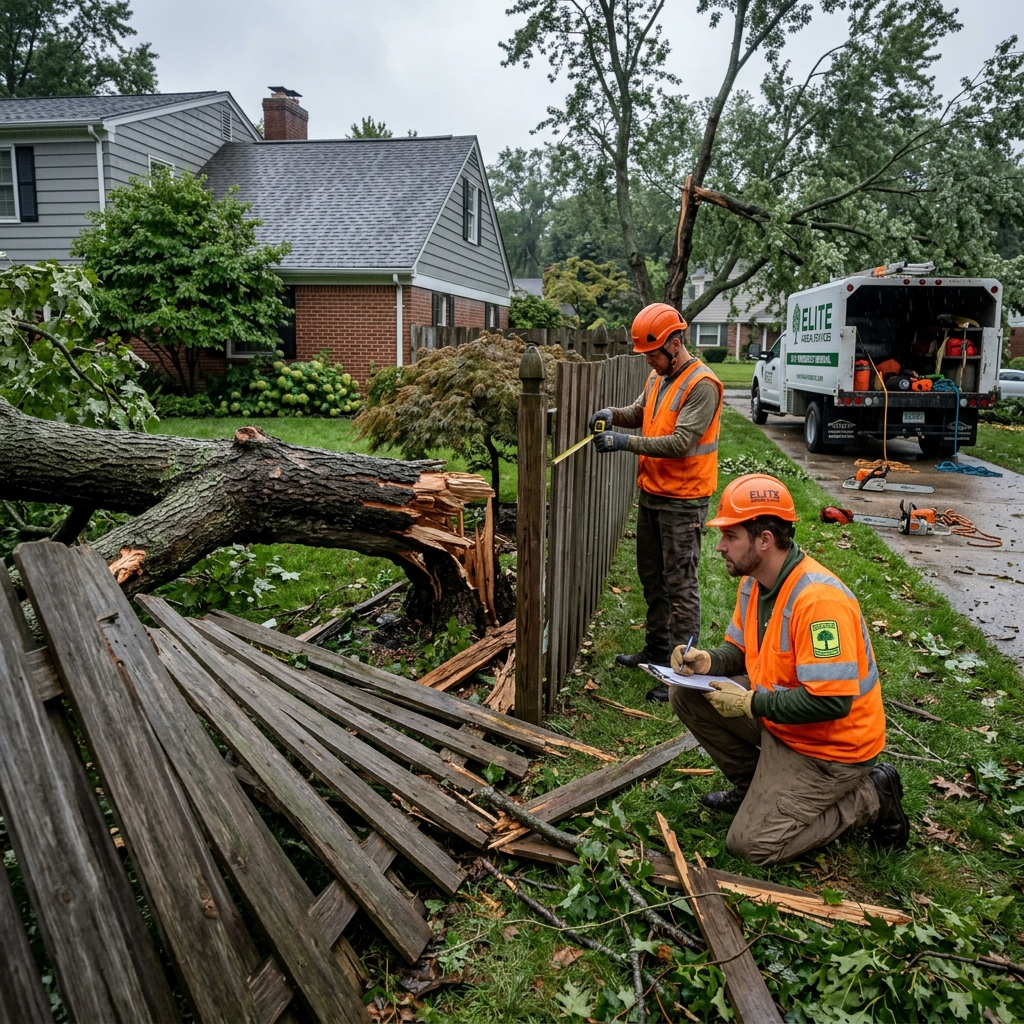
Tampa Tree Hazards: Spotting & Solving Dangerous Tree Problems Before They Strike
Identifying hazardous trees in Tampa, FL, is critical for property safety, especially given our hurricane season. Look for dead or decaying branches, significant leans, cracks in the trunk, exposed or damaged roots, and signs of pest infestation or fungal growth. These indicators often signal a tree's instability, necessitating immediate professional assessment to prevent potential damage or injury.
What Makes a Tree Hazardous in Tampa's Climate?
Tampa's unique subtropical climate, characterized by intense summer storms, high humidity, and specific soil conditions, significantly influences tree health and stability. What might be a minor issue for a tree in a different region can quickly escalate into a severe hazard here. Understanding these local factors is the first step in identifying and mitigating risks.
- Storm Vulnerability: Our hurricane and tropical storm seasons bring high winds, torrential rain, and saturated soils. These conditions put immense stress on trees, turning weakened or structurally compromised specimens into immediate threats. Even a healthy tree can fail under extreme conditions, but a hazardous one is far more susceptible to catastrophic failure, leading to property damage, power outages, or worse.
- Soil Conditions: Much of Tampa's soil is sandy, which, while offering good drainage in some areas, can also provide less stability for tree root systems, especially during prolonged periods of heavy rainfall. Shallow root systems or those compromised by construction can lead to trees uprooting under stress.
- Pests and Diseases: The warm, humid environment is a breeding ground for various tree pests and diseases. Fungi like Ganoderma rot, various borers, and specific pathogens can silently weaken a tree's internal structure over time, making it appear healthy on the outside while being critically unstable within.
- Age and Structural Defects: Mature trees, while beautiful, can develop age-related structural defects. Codominant stems (trunks that split into two or more main leaders), included bark, and poorly formed branch unions are common structural weaknesses that can lead to failure. Combined with Tampa's weather, these defects become significant hazards.
- Proximity to Structures and Utilities: A tree's hazard potential is often amplified by what it could impact. A tree leaning towards your home, business, or power lines carries a far greater risk than one in an open field. Regular professional assessment is crucial to manage these risks effectively.
How Can I Spot a Dangerous Tree on My Tampa Property?
While only a certified arborist can provide a definitive risk assessment, there are several visual cues Tampa property owners can look for that strongly indicate a tree might be hazardous. Early detection is key to preventing major incidents and allows for timely intervention.
- Dead or Decaying Branches: Look for branches that are brittle, lack leaves, or have peeling bark. Large dead branches, especially those overhanging structures or pathways, are extremely dangerous and can fall without warning. Decay can also be indicated by fungal growths like mushrooms or conks on the trunk or branches.
- Significant Lean: A tree that has developed a sudden or pronounced lean is a major red flag. This can indicate root damage, soil instability, or internal decay. Observe the base of the tree for soil heaving or cracks, which are clear signs the root system is failing.
- Cracks or Splits in the Trunk or Major Limbs: Any crack, whether vertical, horizontal, or spiral, indicates a compromise in the tree's structural integrity. These can be superficial or extend deep into the wood, weakening the tree significantly and making it prone to snapping, particularly during high winds.
- Cavities or Hollows: Open wounds, hollow spots, or large cavities in the trunk or major branches are direct evidence of advanced internal decay. While some trees can live with cavities, their structural strength is severely reduced, making them a high risk.
- Weak Branch Attachments: Branches that grow too close together, forming a V-shape rather than a U-shape, often have included bark (bark growing within the union). This weakens the attachment point, making the branch prone to splitting or breaking off, especially during storms.
- Pest Infestations and Fungal Growth: Beyond obvious mushrooms, look for sawdust trails, exit holes, or sap oozing from the trunk, which can signal boring insects. Certain fungal bodies on the trunk or at the base can indicate root rot or internal decay, which can significantly weaken the tree's foundation.
- Exposed or Damaged Roots: Roots that are exposed, girdling (growing around the trunk), or have been severed by construction or landscaping can severely compromise the tree's ability to anchor itself, making it unstable. This is particularly concerning in the loose, sandy soils common in many parts of Tampa.
Why is Professional Tree Risk Assessment Essential in Tampa, FL?
While homeowners can identify many visible signs of a dangerous tree, a professional tree risk assessment goes far beyond surface observations. In a storm-prone region like Tampa, specialized expertise is not just beneficial; it's often critical for ensuring the long-term safety and health of your property.
- Expert Eye and Specialized Knowledge: Certified arborists possess in-depth knowledge of tree biology, pathology, and local environmental factors. They can identify subtle indicators of stress, decay, or structural weaknesses that might be invisible to the untrained eye. They understand which pests and diseases are prevalent in Tampa and how they affect specific tree species common to the area.
- Advanced Diagnostic Tools: Professionals use specialized tools like resistographs (which measure internal wood density), sonic tomography (to create internal decay maps), and air spades (to examine root systems without damage) to assess internal tree health accurately. These tools provide non-invasive insights into a tree's structural integrity that visual inspections simply cannot.
- Comprehensive Risk Evaluation: An arborist doesn't just identify a problem; they assess the likelihood of failure and the potential impact. This involves considering the tree's species, age, condition, location, and exposure to environmental stressors (like prevailing winds or soil conditions). They can provide a weighted risk assessment to help you make informed decisions.
- Mitigation and Preservation Strategies: Beyond just identifying hazardous trees, arborists develop tailored plans for mitigation. This could involve strategic pruning to reduce weight and improve structure, cabling or bracing to support weak limbs, or, in severe cases, recommending safe removal. Their goal is often to preserve valuable trees safely whenever possible. For residents in areas like Lutz, understanding these specific risks and having a local expert can be invaluable in maintaining safe landscapes.
- Safety and Insurance Implications: Attempting to assess or remove a hazardous tree yourself is extremely dangerous. Professionals are trained, equipped, and insured to perform these tasks safely. Additionally, an official risk assessment can be crucial for insurance purposes, demonstrating due diligence in maintaining your property.
What Does Safe & Effective Hazardous Tree Removal in Tampa Involve?
Removing a hazardous tree is one of the most complex and dangerous tasks in tree care. It requires specialized skills, equipment, and strict adherence to safety protocols. For homeowners in Tampa, trusting this job to certified professionals is not just recommended, it’s essential.
- Detailed Planning and Site Assessment: Before any work begins, the team assesses the tree's condition, the surrounding environment (structures, power lines, obstacles), and potential fall zones. This planning phase ensures the safest and most efficient removal process.
- Permitting and Regulations: In Tampa, FL, certain tree removals may require permits, especially for protected species or trees of a certain size. A professional tree service will be knowledgeable about local ordinances and assist with obtaining any necessary permits, ensuring compliance.
- Specialized Equipment: Hazardous tree removal often necessitates heavy-duty equipment like cranes for safely lifting large sections, aerial lifts for accessing high branches, specialized rigging systems for controlled lowering, and chippers for debris removal. This equipment is expensive and requires highly trained operators.
- Expert Crew and Safety Protocols: A professional team consists of highly trained arborists and crew members who understand complex rigging, felling techniques, and emergency procedures. They utilize personal protective equipment (PPE), maintain clear communication, and follow industry-best safety standards to minimize risks to personnel and property. For our clients in Davis Islands, our commitment to safety means peace of mind.
- Controlled Dismantling vs. Felling: Depending on the tree's location and condition, removal may involve carefully dismantling the tree limb by limb (a more common and safer approach in urban settings) or, if space permits, felling the entire tree in a controlled manner. Each method requires precise calculations and execution.
- Efficient Debris Management: Post-removal, professionals will efficiently chip branches, cut logs into manageable pieces, and thoroughly clean the work area. Stump grinding services can also be provided to remove the tree's base below ground level, preventing regrowth and preparing the site for new landscaping.
- Insurance and Liability: Reputable tree service companies are fully licensed and insured, protecting both their workers and your property from any unforeseen incidents during the hazardous removal process. This peace of mind is invaluable when dealing with high-risk situations.
Don't gamble with the safety of your home, family, or business. If you suspect a tree on your Tampa property might be hazardous, the time to act is now. Delaying could lead to costly damage or, worse, injury. Our certified arborists at Tampa Tree Care Specialists are equipped with the expertise, experience, and equipment to conduct thorough tree risk assessments and perform safe, efficient hazardous tree removal. Protect your investment and ensure your peace of mind by contacting us today for a professional evaluation in Tampa, FL.
Need Professional Assistance?
Get a free, no-obligation estimate from our expert local team today.