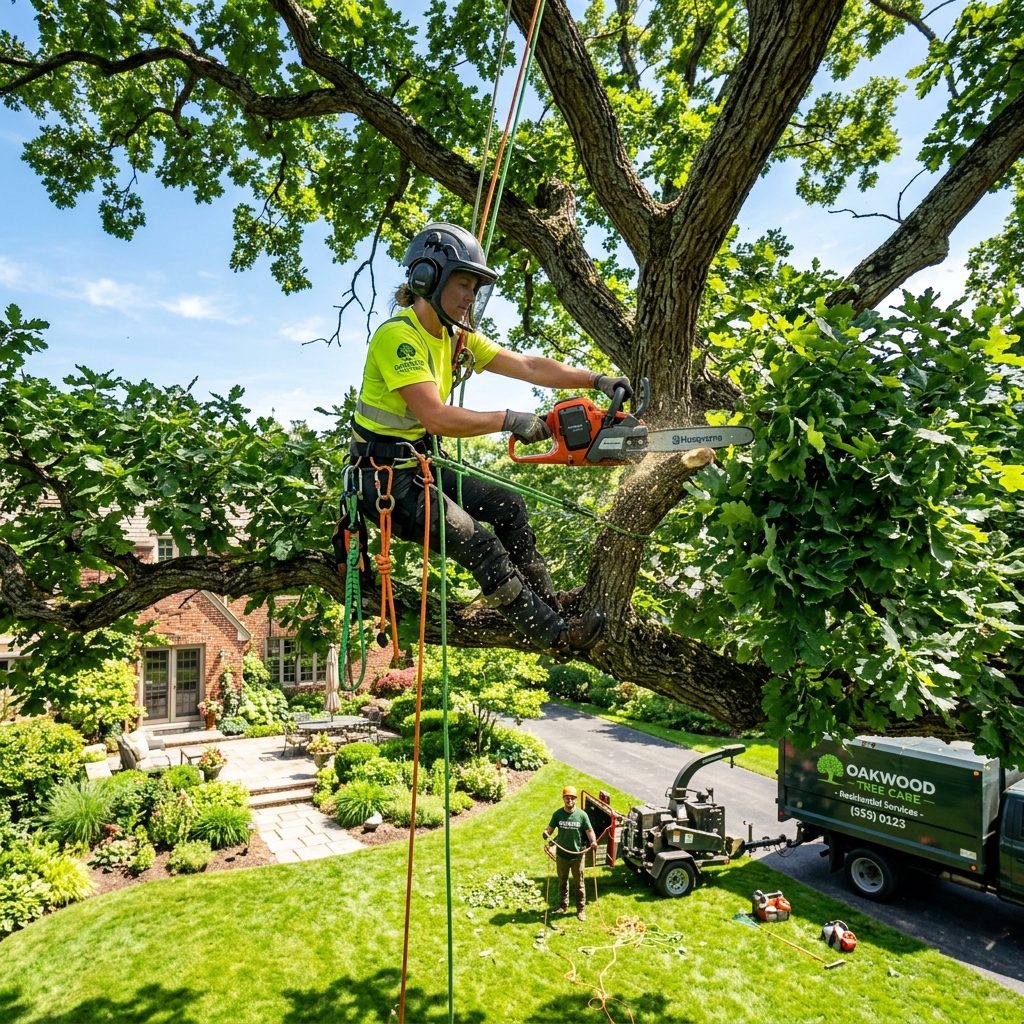
Protect Your Investment: When to Get a Professional Tree Health Assessment in Tampa, FL
Regular professional tree health assessments in Tampa, FL, are crucial for identifying potential hazards, preventing costly property damage, and maintaining the longevity and aesthetic appeal of your landscape. These assessments detect early signs of disease, pest infestations, structural weaknesses, or root issues, ensuring timely intervention and safety for your home and family.
Living in beautiful Tampa, we're surrounded by lush greenery and a diverse array of trees that add immense value and character to our properties. However, these natural assets require vigilant care, especially with Florida's unique climate, which can present specific challenges for tree health. From intense sun and humidity to seasonal storms and specific local pests, trees in Tampa face a range of stressors. Understanding when to call in an expert for a tree health assessment isn't just about maintenance; it's about protecting your investment, ensuring safety, and preserving the natural beauty of your home.
When Should You Schedule a Professional Tree Health Assessment in Tampa?
While annual check-ups are always recommended, certain signs and situations specifically warrant a professional tree health assessment in Tampa. These aren't just minor concerns; they can indicate serious underlying issues that, if ignored, could lead to significant problems, including tree failure, property damage, or even personal injury.
- Visible Signs of Distress: Look for discolored leaves (yellowing, browning, or unusual spotting), premature leaf drop, stunted growth, dead branches, or areas of decay on the trunk or limbs. These are often indicators of disease, pest infestation, or nutrient deficiencies common in our sandy soils.
- Storm Damage or High Winds: After any significant storm, even if your tree appears intact, a professional assessment can uncover hidden structural weaknesses, cracks, or root damage that might compromise its stability over time.
- Unusual Growth Patterns: If your tree is leaning suddenly, has strange bulges, or exhibits excessive shedding of bark, it's a red flag. These could be signs of internal decay, root problems, or structural instability.
- Pest Infestation Evidence: Sawdust near the base, holes in the bark, webbing, or visible insects (especially borers, termites, or scale insects) demand immediate attention. Many pests thrive in Tampa's climate and can quickly decimate a tree.
- Fungal Growth: Mushrooms or other fungal bodies growing on the trunk or near the base often indicate internal decay, especially root rot, which is common in areas with poor drainage or prolonged moisture.
- Construction or Landscape Changes: Recent construction near a tree's root zone can cause significant stress or damage. Even changes like adding impervious surfaces or altering drainage can impact a tree's health.
- Pre-emptive Hazard Assessment: If large trees are near structures, power lines, or high-traffic areas, a proactive assessment can identify potential hazards before they become critical, especially relevant for older, mature trees.
Don't wait until a tree becomes an obvious danger. Early detection through a professional assessment can save your tree and your property.
What Does a Professional Tree Health Assessment Entail?
When you call Tampa Tree Care Specialists for a tree health assessment, you're not just getting someone to glance at your tree. You're getting a comprehensive evaluation from certified arborists who understand the specific challenges and native species of the Tampa Bay area. Our process is thorough and designed to provide you with clear, actionable insights.
Here's what you can expect during an inspection:
- Initial Consultation & Site Walk-Through: We start by discussing your concerns, the tree's history, and observing the tree's overall condition and its surrounding environment, including soil conditions and proximity to structures.
- Visual Inspection: Our arborists meticulously examine the tree from top to bottom, looking for:
- Foliage Health: Color, density, leaf size, and signs of disease or pest activity.
- Branch and Twig Integrity: Presence of deadwood, broken branches, abnormal growth, or cankers.
- Trunk and Bark Condition: Cracks, cavities, fungal growth, insect boreholes, and signs of decay.
- Root Collar and Base: Proper flare, girdling roots, soil compaction, and signs of rot or disease at the ground level.
- Advanced Diagnostic Tools (If Needed): For deeper issues, we may employ tools such as a mallet to sound for hollow spots, a resistance drill to measure internal decay, or soil probes to assess root health and soil composition.
- Pest and Disease Identification: We identify specific pests or diseases affecting your tree, leveraging our local knowledge of common Tampa tree ailments. This ensures targeted and effective treatment plans.
- Risk Assessment: A critical part of our assessment involves evaluating the tree's potential for failure and the impact if it were to fall. This includes assessing lean, structural integrity, and proximity to targets like your home, vehicles, or walkways.
- Comprehensive Report & Recommendations: Following the assessment, we provide a detailed report outlining our findings, including identified issues, their severity, and specific recommendations for care. These might include pruning, fertilization, pest/disease treatment, cabling/bracing, or, if necessary, removal. Our recommendations are always tailored to the tree's species, age, condition, and your property's specific needs.
This detailed approach helps us provide accurate diagnoses and create effective strategies to maintain your tree's health and safety.
Addressing Specific Tampa Tree Challenges
Tampa's climate introduces unique challenges that impact tree health and often necessitate professional intervention:
- Hurricane Season: The threat of hurricanes and strong winds from June to November makes regular tree assessments critical for identifying and mitigating potential hazards before a storm hits. Proactive pruning and structural support can significantly reduce storm damage.
- Soil Conditions: Many areas in Tampa have sandy, well-draining soils which can lead to nutrient deficiencies if not properly managed. Our assessments include recommendations for fertilization programs specific to your tree's needs.
- Pest & Disease Pressure: Pests like ambrosia beetles, laurel wilt disease, and various fungal infections thrive in Florida's warm, humid environment. Early detection is key to preventing widespread damage. Our team is familiar with the common local threats, whether you're in the heart of Tampa or require Tree Services in Tarpon Springs.
- Root Damage: Urban development and construction can easily damage tree roots, leading to slow decline. We can assess root health and recommend strategies for protection and recovery. This knowledge is equally important for property owners in developing areas like tree care services in Lutz.
By understanding these regional factors, our arborists can provide truly effective and preventative care.
Invest in Your Trees: Preventative Care vs. Emergency Costs
Many homeowners initially hesitate at the cost of a professional tree assessment, often viewing it as an unnecessary expense. However, this preventative measure is almost always a significantly more cost-effective strategy than dealing with the aftermath of a neglected tree.
- Preventing Catastrophic Failure: The cost of removing a large, fallen tree that has damaged your roof, car, or fence, not to mention landscaping repair and potential insurance claims, far outweighs the investment in regular assessments and proactive maintenance.
- Preserving Property Value: Healthy, well-maintained trees significantly enhance curb appeal and property value. Dying or hazardous trees, conversely, detract from it and can even deter potential buyers.
- Avoiding Emergency Services: Emergency tree removal services, often required after a storm or unexpected tree failure, typically come at a premium due to the urgency and complexity. A planned assessment allows for scheduled, more affordable interventions.
- Long-Term Tree Health: Early diagnosis of diseases or pest infestations can often save a tree that would otherwise be lost, preserving its environmental benefits and aesthetic contribution for years to come.
Considering the long-term benefits and potential cost savings, a professional tree health assessment is a wise investment for any Tampa homeowner.
Ensure Your Trees Thrive & Protect Your Property
Don't leave the health and safety of your trees to chance. A professional tree health assessment from Tampa Tree Care Specialists provides peace of mind, protecting your property and preserving the beauty of your landscape. Our certified arborists are equipped with the local knowledge and expertise to diagnose any issue and recommend the best course of action.
If you've noticed any signs of distress, experienced storm damage, or simply want to proactively ensure your trees are in optimal condition, contact Tampa Tree Care Specialists today. We're ready to provide a thorough, expert assessment for your Tampa property. Call us now to schedule your consultation and keep your landscape healthy and safe!
Need Professional Assistance?
Get a free, no-obligation estimate from our expert local team today.