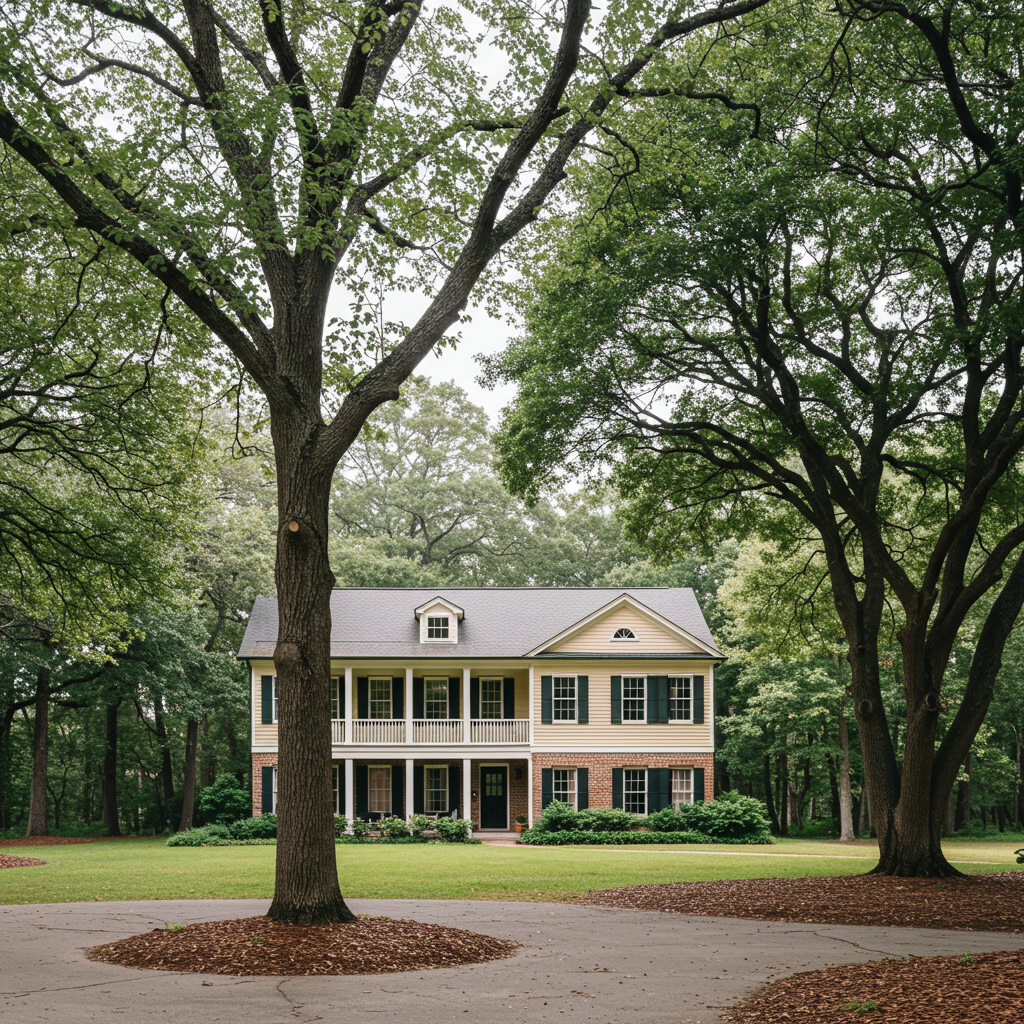
Protect Your Tampa Home: The Essential Guide to Professional Tree Health Checks
Trees are a beautiful and valuable asset to any Tampa property, providing shade, enhancing curb appeal, and supporting local wildlife. However, the unique Florida climate, characterized by intense heat, high humidity, and the occasional hurricane, presents specific challenges to tree health. Left unchecked, seemingly minor issues can escalate into significant problems, leading to costly removals, property damage, or even personal injury. This is where professional tree health checks become indispensable for every Tampa homeowner. Beyond just aesthetics, these assessments are about safeguarding your investment and ensuring the long-term well-being of your landscape.
What Does a Professional Tree Health Assessment in Tampa Involve?
A comprehensive tree health assessment by a professional arborist in Tampa is far more than just a quick look. It's a systematic evaluation designed to uncover hidden issues and provide a clear picture of your tree's condition. Our certified arborists at Tampa Tree Care Specialists employ a thorough, multi-point inspection process:
- Visual Inspection of the Canopy: The arborist will carefully examine the tree's crown for signs of stress, such as discolored or sparse leaves, dead branches, abnormal growth, or evidence of insect infestation. They'll look for proper leaf development and identify any fungal growths or cankers.
- Trunk and Branch Evaluation: This involves checking the main trunk and primary branches for cracks, cavities, wounds, insect boreholes, and decaying wood. Special attention is paid to areas where branches attach to the trunk, known as branch unions, for signs of weakness or poor structure.
- Root Collar Examination: The root collar, where the trunk meets the ground, is a critical area. The arborist will inspect it for girdling roots, disease, decay, and damage from lawnmowers or other equipment. Improper planting depth or soil accumulation can also lead to issues here.
- Soil and Site Analysis: Understanding the tree's environment is crucial. The arborist will assess soil conditions, drainage patterns, compaction levels, and potential nutrient deficiencies. They also consider nearby construction, utility lines, or anything that could impact root health.
- Pest and Disease Identification: Tampa trees are susceptible to various pests and diseases. The arborist uses their expert knowledge to identify specific threats, such as spiraling whiteflies, ambrosia beetles, laurel wilt, or ganoderma root rot, and recommend appropriate treatment plans.
- Structural Integrity Assessment: This includes evaluating the tree's overall shape, balance, and lean. They identify dead, broken, or crossing branches that pose a fall risk, and assess the need for pruning, cabling, or bracing to improve stability.
Each finding is documented, and based on this detailed assessment, the arborist will provide a tailored recommendation for care, maintenance, or risk mitigation.
Why Are Regular Tree Health Checks Crucial for Tampa Homes?
For Tampa homeowners, investing in regular professional tree health checks offers a multitude of benefits that extend beyond just healthy trees:
- Enhanced Safety: The most critical benefit is mitigating risks. Weakened limbs, decayed trunks, or compromised root systems can lead to catastrophic failures during high winds or hurricanes, posing a severe threat to your home, vehicles, and family. Regular checks identify these hazards before they become emergencies.
- Property Value Preservation: Healthy, well-maintained trees significantly boost your property's curb appeal and market value. Conversely, diseased or hazardous trees can deter potential buyers and even diminish property worth. Proactive care ensures your landscape remains an asset.
- Prevention of Costly Issues: Early detection of pests, diseases, or structural problems often allows for less invasive and more affordable treatments. Ignoring signs of distress can lead to advanced decay, requiring expensive tree removal and potentially costly repairs if damage occurs.
- Increased Tree Longevity: Just like regular medical check-ups for humans, consistent tree health assessments help identify and address issues in their nascent stages, allowing your trees to thrive for many years, providing continuous benefits.
- Storm Preparedness: Tampa is no stranger to tropical storms and hurricanes. Professional assessments help fortify your trees against severe weather by identifying and addressing weak points, reducing the likelihood of storm-related damage.
- Optimized Growth and Aesthetics: Arborists can recommend proper fertilization, watering techniques, and pruning strategies that promote robust growth, beautiful foliage, and the desired aesthetic shape for your trees.
Ultimately, regular tree health checks are a proactive investment in the safety, beauty, and value of your Tampa property.
How Do Certified Arborists Identify Tree Risks and Diseases in Tampa?
Certified arborists are trained experts with an in-depth understanding of tree biology, pathology, and entomology, specifically tailored to the unique conditions of the Tampa Bay area. Their ability to identify tree risks and diseases goes beyond a homeowner's general knowledge:
- Specialized Knowledge of Local Pathogens and Pests: Tampa's subtropical climate is a breeding ground for specific tree diseases like Ganoderma root rot, laurel wilt, and various fungal infections. Arborists are proficient in recognizing the subtle symptoms of these local threats, which often go unnoticed by the untrained eye. They also know common pests such as the spiraling whitefly, ambrosia beetle, and scale insects, understanding their life cycles and the damage they inflict.
- Diagnostic Tools and Techniques: While much of an assessment relies on visual inspection and expert experience, arborists may use specialized tools. These can include mallet and sounding techniques to detect internal decay, increment borers to analyze growth patterns and core samples, or even soil testing kits to determine nutrient levels and pH. They also interpret complex symptoms, distinguishing between nutrient deficiencies, environmental stress, and specific disease indicators.
- Risk Assessment Methodologies: Arborists employ standardized risk assessment protocols that evaluate the likelihood of failure, the potential for impact, and the severity of consequences. They consider factors like tree species, age, lean, proximity to structures, and prevailing wind patterns to assign a risk rating and recommend appropriate mitigation strategies. This expert judgment is crucial for making informed decisions about tree care.
- Understanding Tree Responses to Stress: Trees communicate distress in various ways – discolored leaves, stunted growth, sap exudation, or unusual bark patterns. A certified arborist can accurately interpret these signals, pinpointing the root cause of the problem whether it’s drought stress, overwatering, construction damage, or a pathogen, and then prescribe effective solutions.
This level of expertise ensures that potential hazards are accurately identified, and the most effective, science-backed treatments are recommended for your Tampa trees.
When Should Tampa Homeowners Schedule a Tree Health Inspection?
While an annual tree health check is generally recommended for all Tampa properties, there are specific situations where scheduling an inspection becomes particularly urgent:
- Annual Proactive Checks: The best defense is a good offense. An annual check-up, preferably in late winter or early spring before the peak growing season, allows arborists to address minor issues before they become significant and prepare trees for the demanding summer and hurricane season.
- After Severe Weather Events: Following a hurricane, tropical storm, or even a strong thunderstorm, your trees should be inspected for hidden damage like cracked limbs, root upheaval, or structural instability that might not be immediately obvious.
- Visible Signs of Tree Stress: If you notice any changes in your tree's appearance or health, it's time for an expert evaluation. Look for:
- Discolored, wilting, or prematurely dropping leaves
- Sparse foliage or dead branches
- Fungal growths (mushrooms, conks) on the trunk or near the base
- Excessive sap leakage or insect activity
- Cracks, holes, or cavities in the trunk or major limbs
- A sudden lean or unusual growth pattern
- Before and After Construction Projects: Construction near trees can cause significant root damage, soil compaction, or trunk injury. An assessment before construction can help establish protective measures, and a post-construction check can identify and mitigate any damage.
- Purchasing a New Property: Before investing in a new home, a tree health inspection can uncover hidden liabilities (e.g., hazardous trees) that could lead to unexpected costs down the line.
- When Planning Landscape Changes: If you're considering planting new trees, removing old ones, or making significant changes to your landscape, consulting with an arborist ensures these plans are carried out in a way that benefits your existing trees.
Don't wait for a tree emergency to call an expert. Proactive tree health checks by Tampa Tree Care Specialists can save you stress, money, and ensure your trees continue to be a source of beauty and value for years to come. Our certified arborists are ready to provide the professional assessment your Tampa trees deserve.
Need Professional Assistance?
Get a free, no-obligation estimate from our expert local team today.