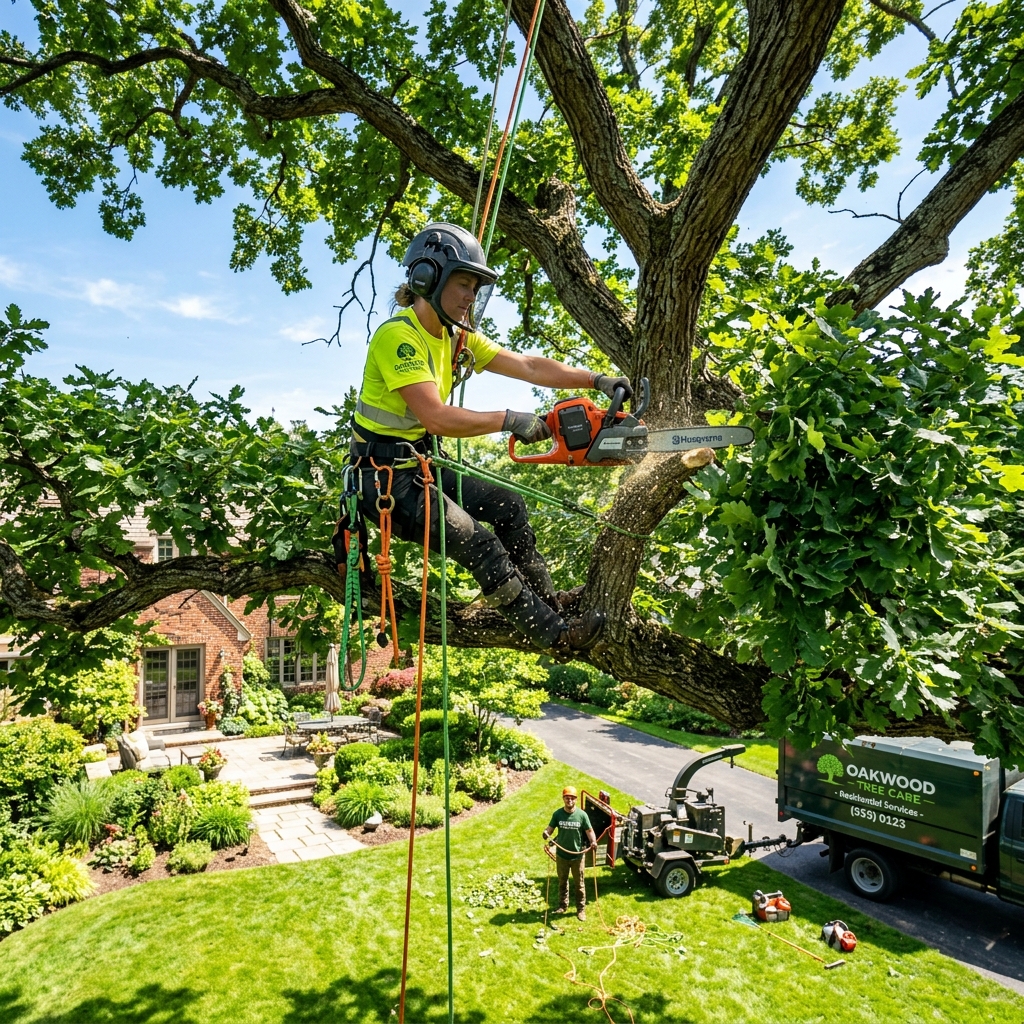
5 Critical Signs Your Tampa Trees Need Immediate Professional Attention
Ignoring subtle changes in your trees can lead to costly damage, hazardous conditions, or irreversible decline. In Tampa, FL, proactive professional tree assessments are essential to diagnose issues like disease, pest infestations, or structural weaknesses early, protecting your property and preserving your valuable landscape before problems escalate.
Your trees are more than just part of your landscaping; they are living assets that enhance property value, provide shade, and contribute to the local ecosystem. However, Florida’s unique climate, characterized by intense humidity, seasonal storms, and specific pest challenges, means trees in Tampa face constant stressors. Knowing what to look for can help you identify when a tree needs more than just routine care—it needs immediate professional intervention from certified arborists like Tampa Tree Care Specialists.
What Are the Early Warning Signs of Tree Distress in Tampa?
Trees often give subtle clues before a major problem manifests. Being observant can make a significant difference in their prognosis. Here are common indicators of tree distress specific to our Tampa environment:
- Leaf Discoloration or Wilting: While seasonal changes cause some leaf drop, premature yellowing, browning, or wilting during growing seasons often signals a lack of water, nutrient deficiency, or disease. In Tampa, this could be indicative of root rot from excessive moisture or vascular diseases impeding water flow.
- Unusual Growths or Cankers: Fungal conks, mushrooms growing at the base of the tree, or noticeable cankers (sunken, discolored areas) on the trunk or branches are strong indicators of internal decay or aggressive fungal pathogens like Ganoderma lucidum, prevalent in our region.
- Excessive Deadwood or Sparse Canopy: An abundance of dead branches within the canopy, or a significantly thinning crown, suggests the tree is struggling to support its growth or is succumbing to disease or pests. This is especially critical if larger limbs are dying back.
- Pest Infestation Evidence: Look for abnormal leaf damage, boreholes in the bark, sawdust-like frass, or actual insects. Common Tampa pests like the spiraling whitefly, various scale insects, or even termites can severely weaken a tree over time.
- Leaning or Root Issues: A sudden or gradual lean, particularly after heavy rains or strong winds, can indicate root system failure. Raised soil around the base of the trunk or exposed, decaying roots are also red flags.
How Do Tampa's Unique Climate and Pests Affect Tree Health?
Tampa's subtropical climate, while beautiful, presents unique challenges for tree health that differ significantly from other regions. High humidity creates an ideal breeding ground for fungal diseases, while intense summer heat and occasional droughts stress root systems. Furthermore, hurricane season brings strong winds and heavy rainfall that can compromise structurally weak trees.
Our local ecosystem also hosts specific pests that arborists in other climates rarely encounter. For example, the spiraling whitefly has caused significant damage to many broadleaf trees in Tampa Bay, and invasive species like the laurel wilt beetle threaten native redbay and avocado trees. Identifying these specific threats requires local expertise.
When you observe any of the above signs, it's not just about aesthetics; it's about the structural integrity and long-term viability of your tree. An arborist service in Old Seminole Heights, like ours, understands these regional nuances and can accurately diagnose issues often missed by an untrained eye.
When Does a Tree Problem Require Urgent Intervention vs. Routine Care?
Not all tree problems demand immediate emergency services. Some issues can be addressed with routine pruning or fertilization. However, certain conditions necessitate urgent professional attention to prevent property damage, injury, or the irreversible loss of a tree:
Signs Requiring Urgent Intervention:
- Significant Leaning: A tree that has suddenly or significantly shifted, especially after a storm, is at high risk of falling.
- Large Cracks or Splits: Vertical cracks in the trunk or major limb splits are critical structural failures.
- Rotting or Hollow Trunks: Extensive decay in the main stem compromises the tree's stability.
- Fungal Conks at the Base: Large bracket fungi emerging from the lower trunk or root flare indicate advanced internal decay.
- Dead or Hanging Limbs: Large dead branches that are still attached but precariously hanging are immediate falling hazards.
- Root Heaving: The soil around the base of the tree is visibly lifted or cracked, indicating root system instability.
- Trees Impacting Structures: Any tree that is visibly touching or threatening to fall onto your home, power lines, or other structures.
If you notice any of these urgent signs, contact Tampa Tree Care Specialists immediately. Delay can be dangerous and far more costly.
What Happens During a Professional Tree Health Assessment by Tampa Tree Care Specialists?
When you call Tampa Tree Care Specialists for a tree health assessment, you're not just getting a quote; you're receiving a comprehensive evaluation by ISA Certified Arborists. Our process is thorough and designed to provide you with a clear understanding of your tree's condition and the best course of action:
- Initial Site Visit and Visual Inspection: Our arborist will conduct a thorough visual examination of the tree from the ground up, assessing its overall health, vigor, and structural integrity.
- Pest and Disease Identification: We'll look for specific signs of insect infestations, fungal diseases, and other pathogens common in Tampa. This may involve examining leaves, bark, and branch samples.
- Structural Integrity Assessment: We'll identify any weak points, co-dominant stems, included bark, significant leans, or signs of decay that could compromise the tree’s stability.
- Root Collar and Soil Examination: The area where the trunk meets the ground (root collar) is critical. We'll check for girdling roots, decay, or other issues impacting the tree’s ability to absorb water and nutrients. Soil compaction and drainage will also be considered.
- Risk Assessment: Based on our findings, we'll assess the potential risk the tree poses to your property or personal safety, especially relevant during Tampa's storm seasons.
- Detailed Recommendations: You’ll receive a clear explanation of our findings, along with tailored recommendations for treatment, pruning, cabling/bracing, or removal, complete with an itemized estimate. This expert advice extends to homeowners in areas like Riverview, ensuring comprehensive care across the Tampa Bay area.
Our goal is always to preserve healthy trees safely, but when removal is the safest or only option, we ensure it's done with precision and professionalism.
Protect Your Investment: Why Professional Tree Care in Tampa is Essential
Attempting to diagnose or treat serious tree problems yourself can be dangerous and often ineffective, leading to further damage or the loss of a valuable tree. Professional arborists have the training, equipment, and local knowledge to safely and effectively address complex tree health issues.
Investing in timely professional tree care from Tampa Tree Care Specialists protects your property, enhances your landscape's beauty, and extends the life of your trees. Don't wait for a small problem to become a dangerous and expensive emergency. Regular inspections and prompt action based on the signs of distress can save your trees and your peace of mind.
Is your tree showing signs of distress? Don't delay! Contact Tampa Tree Care Specialists today for a comprehensive tree health assessment. Our ISA Certified Arborists are ready to provide expert advice and reliable solutions to keep your Tampa property safe and beautiful. Call us now!
Need Professional Assistance?
Get a free, no-obligation estimate from our expert local team today.