Urgent Signs Your Tampa Trees Need Professional Care: Protect Your Property
Your Tampa trees are vital assets, but they can become liabilities if signs of distress are ignored. Promptly identifying and addressing urgent tree problems in Tampa, FL, is crucial for property safety and tree longevity, preventing potentially expensive damage or hazardous situations before they escalate.
As a homeowner or business owner in Tampa, you understand the unique challenges our local environment presents to trees. From the intense humidity and summer storms to specific local pests, your trees face constant threats. Recognizing the early warning signs of a sick, damaged, or unstable tree is not just about aesthetics; it's about safeguarding your property, your family, and your investment. This guide will walk you through the critical indicators that suggest your trees require immediate professional attention from experienced arborists.
What Are the Red Flags of an Unhealthy Tree in Tampa?
Identifying an unhealthy tree often requires a keen eye and an understanding of what constitutes normal tree growth for specific species common to Tampa. However, certain universal red flags should always prompt a call to a professional arborist. These signs indicate potential structural failure, disease, or pest infestation that could compromise the tree's integrity.
- Significant Leaning: A tree that suddenly or increasingly leans to one side, especially after heavy rains or strong winds, could indicate root damage or instability. This is a severe hazard in storm-prone Tampa.
- Large Dead Branches (Deadwood): While some interior deadwood is normal, large, brittle branches or numerous dead branches indicate significant stress, disease, or pest activity. These branches are prime candidates for falling during high winds.
- Trunk Cracks and Splits: Deep vertical cracks, splits, or seams in the trunk signal internal weakness. These can compromise the tree's structural integrity, making it susceptible to failure.
- Cankers or Open Wounds: Sunken areas or open sores on the trunk or branches, often discolored, can indicate fungal infections or pest entry points, weakening the tree's vascular system.
- Fungal Growth at the Base: Mushrooms, conks, or other fungal fruiting bodies growing at the base of the trunk or along major roots are a strong indicator of root rot or internal decay, which can severely destabilize the tree.
- Discolored or Sparse Foliage: Leaves that are discolored (yellow, brown, purple), prematurely dropping, or appear sparse outside of typical seasonal changes suggest nutrient deficiencies, disease, or root problems.
- Pest Infestation Evidence: Sawdust-like frass, boreholes, tunneling under the bark, or visible colonies of insects (like termites or borers) are clear signs of destructive pest activity.
Our subtropical climate in Tampa can accelerate disease and pest spread, making early detection and intervention even more critical. What might be a minor issue elsewhere can quickly become a major problem here.
How Do Tampa's Environment and Pests Affect Tree Health?
Tampa's unique environmental conditions play a significant role in tree health and vulnerability. Our climate, characterized by high humidity, abundant rainfall, and frequent severe weather, creates specific challenges for local tree species. Understanding these factors helps in recognizing tree stress.
Regional Environmental Stressors:
- Hurricane Season and High Winds: Annually, Tampa faces the threat of hurricanes and tropical storms. Trees weakened by disease or structural issues are far more likely to suffer severe damage, leading to downed branches or entire tree failures that can devastate property.
- Excessive Rainfall and Flooding: While essential, too much water can lead to root rot and soil compaction, especially in poorly draining areas, suffocating tree roots and leading to decline.
- Heat and Humidity: Constant high temperatures and humidity can stress trees, making them more susceptible to fungal diseases and insect infestations.
- Soil Conditions: Tampa's sandy or compacted urban soils can limit nutrient uptake and root development, making trees less resilient.
Common Tampa Pests and Diseases:
- Ganoderma Root Rot: A prevalent fungal disease in Florida that causes extensive decay in the root system and lower trunk, leading to sudden tree collapse.
- Fusarium Wilt: Affects various palms, causing fronds to yellow and die, eventually leading to the death of the entire palm.
- Ambrosia Beetles: These tiny beetles bore into stressed trees, introducing fungi that further weaken and can kill the host.
- Termites: While primarily a structural pest, subterranean termites can also infest and weaken the core of living trees, particularly those already stressed or damaged.
Regular professional assessments are vital to mitigate these region-specific risks. For comprehensive tree health assessments in areas like New Tampa, our certified arborists can identify and address these localized threats effectively.
When Should I Call a Professional Arborist for My Tampa Tree?
Knowing when to call a professional arborist can be the difference between saving a tree and a costly emergency. While DIY tree care might seem appealing for minor tasks, most significant tree issues require the expertise, equipment, and safety protocols of certified professionals. Here are situations that demand immediate professional attention:
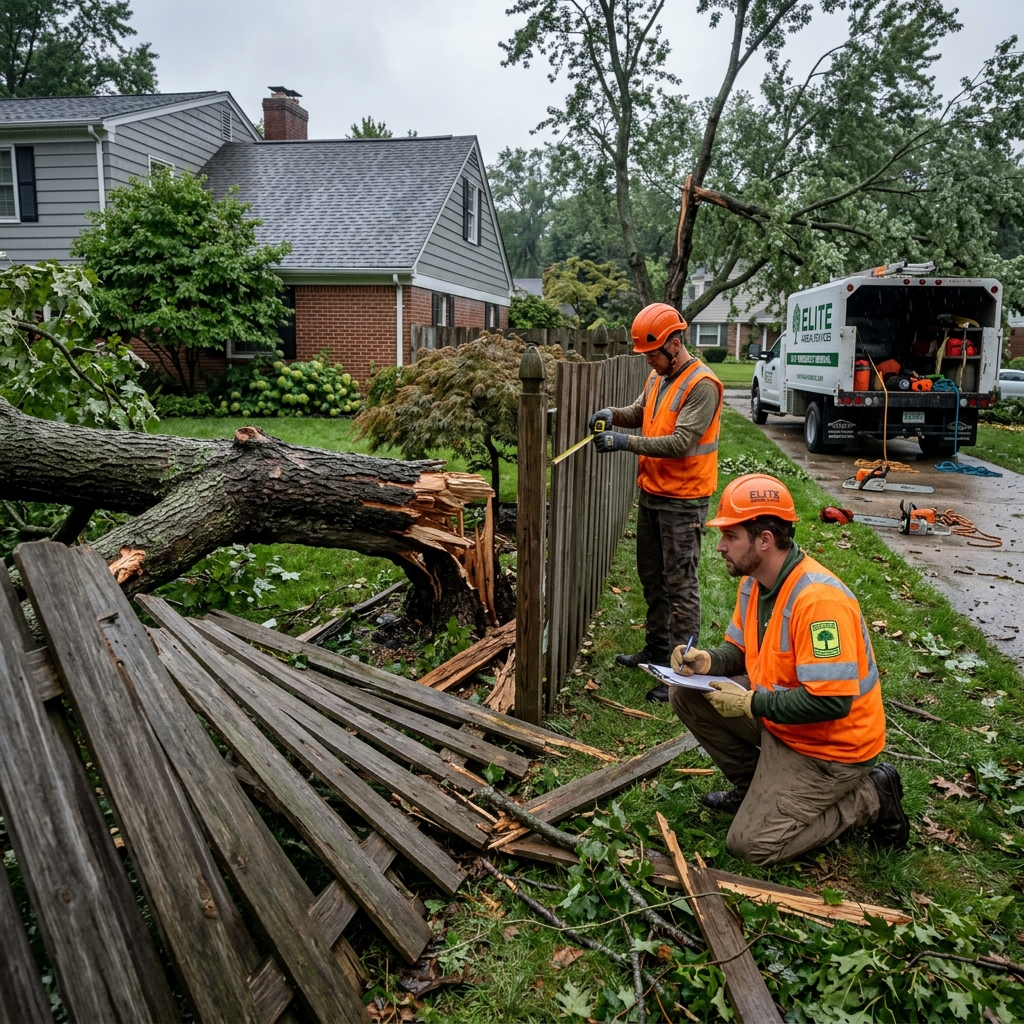
- Emergency Situations: If a tree or large branch has fallen, is leaning precariously towards a structure, or is obstructing utility lines, call for emergency tree services immediately.
- Signs of Significant Damage or Decay: Any of the red flags mentioned earlier (large cracks, extensive deadwood, significant fungal growth) warrant a professional evaluation.
- Pre-Storm Preparation: Before hurricane season, it's wise to have an arborist assess your trees for potential weaknesses that could lead to storm damage. Proactive pruning and risk assessment can save you immense trouble later.
- New Construction or Landscaping Projects: To protect trees during construction or when planning new landscape designs, consulting an arborist is crucial for preserving root systems and overall tree health.
- Tree Installation or Removal: Proper planting techniques are essential for new trees, and safe, efficient removal of large, hazardous trees is always a job for professionals.
- Unexplained Tree Decline: If a tree is simply not looking well, with no obvious cause, an arborist can diagnose the underlying problem and recommend appropriate treatments.
When you call Tampa Tree Care Specialists, here's what you can expect during a professional inspection:
- Initial Consultation: We'll discuss your concerns and observe the tree in question.
- Thorough Visual Assessment: Our arborist will meticulously examine the tree from crown to roots, looking for signs of disease, pests, structural defects, and environmental stressors.
- Risk Assessment: We'll evaluate the tree's stability and potential hazards it poses to people or property, especially relevant for properties in Ballast Point, which are often close-knit.
- Diagnostic Testing (if needed): For complex issues, we might recommend further testing, such as soil analysis or disease identification.
- Detailed Recommendations and Estimate: You'll receive a comprehensive report outlining our findings, recommended treatment options (pruning, cabling, disease management, removal), and a transparent estimate for services.
Understanding the Cost: Why Professional Tree Care in Tampa is an Investment?
Many homeowners in Tampa, FL, wonder about the cost of professional tree services. It's important to view these costs as an investment in your property's safety, aesthetics, and value. Neglecting tree issues can lead to far greater expenses down the line.
Factors influencing the cost of tree services include:
- Tree Size and Type: Larger trees require more equipment, time, and specialized skills. Certain species may also present unique challenges.
- Scope of Work: Pruning for health and aesthetics is generally less expensive than complex removals, especially those involving hazardous trees near structures or utility lines.
- Accessibility: Trees in hard-to-reach locations, on slopes, or near obstacles will increase labor and equipment costs.
- Tree Health and Risk Level: A severely diseased or unstable tree poses higher risks during service, requiring additional safety measures.
- Emergency vs. Scheduled Service: Emergency services for downed trees or immediate hazards typically incur higher costs due to urgency and off-hour work.
- Debris Removal: Hauling away branches and wood chips is often included but can be an additional line item.
While the initial cost might seem significant, consider the alternative: the cost of repairing roof damage from a falling branch, the expense of insurance deductibles, or the potential liability from a tree causing injury. Proactive, professional tree care not only maintains the health and beauty of your landscape but also acts as a critical form of property protection.
Don't wait for a small problem to become a major disaster. Your trees are an integral part of your property's appeal and ecological health. Recognizing the urgent signs they give, understanding the unique environmental factors in Tampa, and knowing when to call a professional arborist are crucial steps in responsible tree ownership. For expert tree care, assessments, and emergency services in Tampa, FL, trust the certified professionals at Tampa Tree Care Specialists. We're dedicated to preserving the health and safety of your trees and your property. Call us today for a consultation!
Need Professional Assistance?
Get a free, no-obligation estimate from our expert local team today.