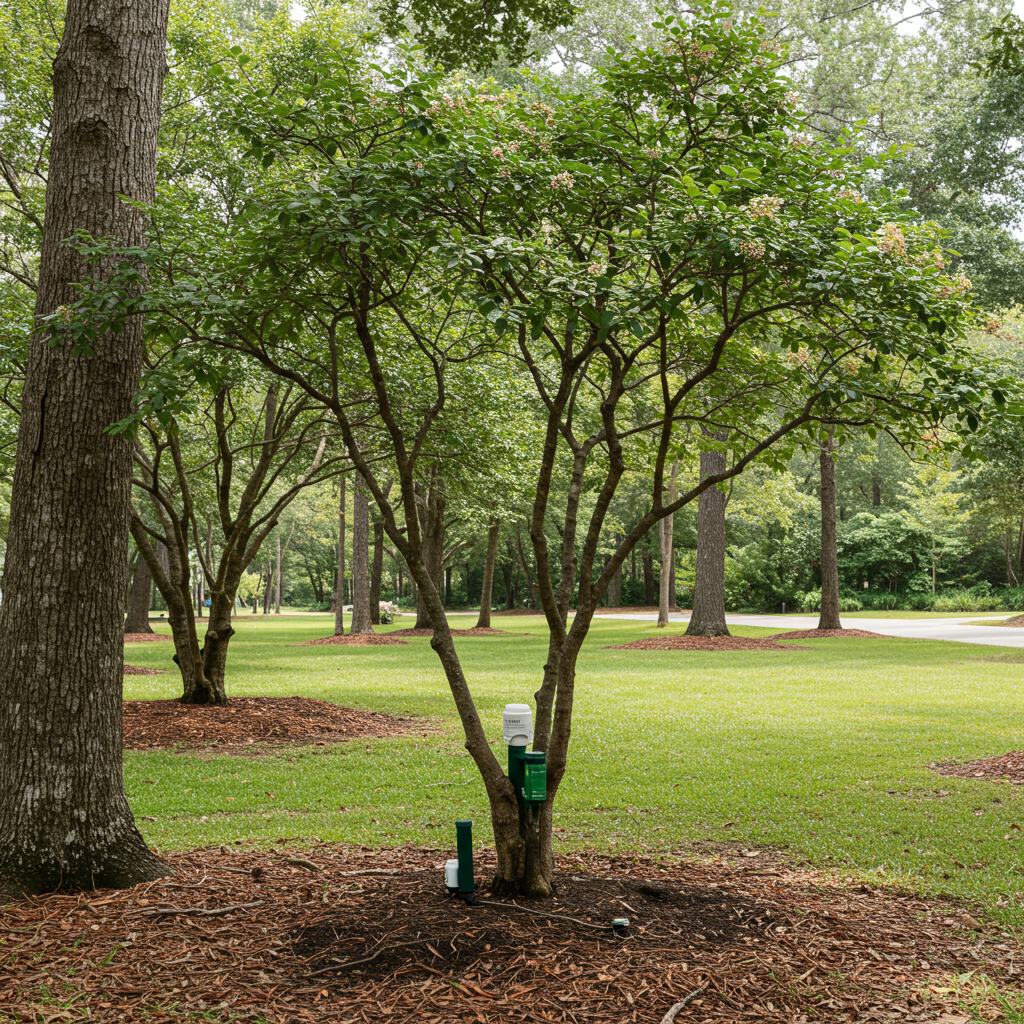
Unlock Vibrant Health: Tampa Tree Nutrition Secrets for Thriving Landscapes
Tree nutrition involves providing essential macro- and micronutrients through soil, water, and specialized treatments, crucial for growth, disease resistance, and overall vigor. For Tampa's unique sandy soils and humid climate, proper nutrition is paramount to combat nutrient leaching, pest vulnerability, and environmental stressors, ensuring your trees remain healthy and strong.
What Nutrients Do Tampa Trees Really Need to Thrive?
Just like humans, trees require a balanced diet of essential nutrients to grow strong, resist disease, and flourish. In Tampa's unique environment, with its typically sandy, nutrient-poor soils and high rainfall, understanding these nutritional needs is even more critical. Trees absorb these elements primarily through their root systems, dissolved in water.
The most important nutrients are categorized into macronutrients and micronutrients:
- Macronutrients: Needed in larger quantities for major growth processes.
- Nitrogen (N): Essential for vigorous leaf growth, chlorophyll production, and overall tree energy. A lack of nitrogen often results in yellowing leaves and stunted growth.
- Phosphorus (P): Crucial for root development, flowering, and fruiting. It plays a key role in energy transfer within the tree.
- Potassium (K): Supports overall tree health, enhancing disease resistance, water regulation, and cold hardiness. It's often called the 'potency' nutrient.
- Secondary Macronutrients: Also needed in significant amounts.
- Calcium (Ca): Important for cell wall structure, root growth, and nutrient transport.
- Magnesium (Mg): A central component of chlorophyll, vital for photosynthesis. Deficiency can cause interveinal yellowing (chlorosis) in older leaves.
- Sulfur (S): Involved in protein synthesis and enzyme activity.
- Micronutrients: Required in smaller quantities but are equally vital for specific functions.
- Iron (Fe): Critical for chlorophyll production, often deficient in high-pH soils, leading to distinctive yellowing of new leaves.
- Manganese (Mn): Plays a role in photosynthesis and enzyme activation. Similar deficiency symptoms to iron.
- Boron (B), Copper (Cu), Zinc (Zn), Molybdenum (Mo), Chlorine (Cl), Nickel (Ni): Each has specific roles in plant metabolism, growth regulation, and disease resistance.
For Tampa trees, deficiencies in iron, manganese, and magnesium are relatively common due to soil pH and composition. Proper soil testing by a certified arborist is the most accurate way to determine which specific nutrients your trees are lacking.
How Do I Identify Nutrient Deficiencies in My Tampa Trees?
Spotting the signs of nutrient deficiencies early can save your trees from long-term damage or decline. While some symptoms can mimic other problems like pest infestations or diseases, certain patterns are strong indicators of nutritional imbalances. As an arborist in Tampa, we frequently see these visual cues:
- Chlorosis (Yellowing Leaves): This is the most common symptom.
- General Yellowing: Often indicates a nitrogen deficiency, with older leaves turning pale first.
- Interveinal Chlorosis (Yellowing between veins, veins remain green): Typically points to deficiencies in iron, manganese, or magnesium. Iron deficiency usually affects new leaves, while magnesium affects older leaves.
- Stunted Growth: A tree that is not growing at its expected rate, or has unusually small leaves or twigs, may be lacking essential nutrients, especially nitrogen or phosphorus.
- Leaf Discoloration and Necrosis (Dead Tissue): Beyond yellowing, leaves might turn reddish-purple (phosphorus deficiency), develop brown spots, or have burnt-looking edges (potassium deficiency), eventually leading to tissue death.
- Premature Leaf Drop: Trees may shed leaves earlier than normal, indicating stress from insufficient nutrients.
- Weak Branch Development: Poor nutrient uptake can lead to brittle branches, sparse canopy, and a general lack of vigor, making the tree more susceptible to wind damage and pests.
- Reduced Flowering or Fruiting: If your fruiting or flowering trees are producing less than usual, it could be a sign of phosphorus or potassium deficiency.
It's important to remember that these symptoms can sometimes overlap. For instance, drought stress can also cause yellowing and leaf drop. That's why a professional assessment by a Tampa arborist is invaluable. They can differentiate between nutrient deficiencies, disease, and environmental stressors, ensuring the correct diagnosis and treatment plan.
When and How Should I Fertilize Trees in Tampa's Climate?
Proper timing and application methods are crucial for effective tree fertilization, especially in Tampa's subtropical climate. Fertilizing at the wrong time or using incorrect techniques can be ineffective or even harmful to your trees.
When to Fertilize:
- Late Winter/Early Spring (February-March): This is often the ideal time for most trees in Tampa. As trees break dormancy and begin their spring growth flush, they are ready to actively absorb nutrients to fuel new leaf and shoot development.
- Late Fall (October-November): A lighter fall application can help replenish nutrient reserves before winter dormancy, supporting root growth and overall tree health, especially important before any potential cold snaps.
- Avoid Summer: Generally, avoid heavy fertilization during the peak heat of summer, as it can stress trees that are already dealing with high temperatures and potential drought.
How to Fertilize:
The method of fertilization depends on the tree's needs, soil conditions, and the type of fertilizer being used. A soil test is paramount before any significant fertilization effort, as it will tell you exactly what nutrients are missing and what the soil pH is.
- Deep Root Fertilization: This is a highly effective method performed by professionals. A specialized probe injects liquid fertilizer directly into the root zone, bypasses surface roots, and ensures nutrients reach the active absorbing roots. This also helps aerate compacted soil.
- Granular Fertilizers: These are applied to the soil surface around the tree's drip line. They release nutrients slowly over time. It's vital to spread them evenly and water them in thoroughly to prevent burning surface roots and to help them penetrate the soil. Follow product instructions meticulously.
- Foliar Sprays: For micronutrient deficiencies (like iron or manganese chlorosis), foliar sprays can provide a quick, temporary fix as nutrients are absorbed directly through the leaves. However, they are usually not a long-term solution for major deficiencies and should be applied carefully to avoid leaf burn.
- Trunk Injections/Implants: For severe nutrient deficiencies, especially in iron or manganese, a professional arborist may recommend trunk injections. These deliver concentrated nutrients directly into the tree's vascular system, offering rapid results but typically used as a targeted treatment rather than a routine fertilization method.
Always consider the specific needs of your tree species and the results of a soil analysis. Over-fertilization can be just as damaging as under-fertilization, leading to nutrient imbalances, excessive growth that is prone to breakage, and environmental runoff.
Beyond Fertilization: What Else Supports Optimal Tree Nutrition in Tampa?
While targeted fertilization is vital, optimal tree nutrition is part of a broader holistic approach to tree care. Several other practices significantly impact your tree's ability to absorb and utilize nutrients, especially in Tampa's challenging environment.
- Proper Mulching: Applying a 2-4 inch layer of organic mulch (like wood chips) around the base of your trees (keeping it a few inches away from the trunk) offers numerous benefits:
- Moisture Retention: Reduces water evaporation, ensuring consistent moisture for nutrient uptake.
- Temperature Regulation: Insulates roots from Tampa's extreme heat and occasional cold.
- Weed Suppression: Reduces competition for water and nutrients from weeds.
- Nutrient Contribution: As organic mulch decomposes, it slowly releases valuable nutrients back into the soil, improving soil structure and fertility.
- Consistent and Adequate Watering: Water is the vehicle that transports nutrients from the soil to the tree's roots and throughout its system. In dry periods, especially during Tampa's dry season, deep and infrequent watering is essential. Ensure the soil is moist several inches deep in the root zone.
- Soil Amendments and pH Balance: Tampa's sandy soils often lack organic matter and can have varying pH levels.
- Compost & Organic Matter: Incorporating compost or other organic materials improves soil structure, enhances water retention, and provides a slow release of nutrients, fostering a healthy microbial environment crucial for nutrient cycling.
- pH Adjustment: Soil pH affects nutrient availability. Some nutrients are more accessible at certain pH levels. A soil test will indicate if your soil's pH needs to be adjusted (e.g., adding sulfur to lower pH, or lime to raise it) to optimize nutrient uptake for your specific tree species.
- Avoiding Soil Compaction: Heavily compacted soil restricts root growth, reduces oxygen availability, and prevents water and nutrients from penetrating effectively. Avoid parking vehicles or heavy foot traffic around the tree's root zone. Aeration techniques can help alleviate compaction.
- Integrated Pest and Disease Management: Healthy, well-nourished trees are more resilient to pests and diseases. Conversely, trees stressed by pests or diseases may struggle to absorb or utilize nutrients effectively, creating a downward spiral. Regular inspections and prompt treatment are part of a complete nutritional strategy.
These practices work in tandem with fertilization to create an ideal environment for your trees to thrive. Ignoring any one aspect can compromise the effectiveness of the others.
Why Trust Tampa Tree Care Specialists with Your Tree's Nutritional Health?
Understanding and implementing a comprehensive tree nutrition plan for your Tampa landscape can be complex, requiring expert knowledge of local soil conditions, climate, and tree species. That's where Tampa Tree Care Specialists truly excel.
Our team comprises certified arborists who are extensively trained in plant physiology, soil science, and the specific challenges faced by trees in the Tampa Bay area. We don't just guess; we employ scientific methods to ensure your trees receive precisely what they need:
- Expert Diagnosis: We begin with a thorough tree health assessment, including soil testing, to accurately diagnose any nutritional deficiencies or imbalances specific to your property. We can differentiate between nutrient issues and other stressors.
- Customized Treatment Plans: Based on our findings, we develop tailored nutrition programs. This might include specialized deep root fertilization, targeted micronutrient applications, soil amendments, or recommendations for improving soil structure and watering practices.
- Advanced Application Techniques: Our arborists utilize state-of-the-art equipment for precise and effective nutrient delivery, such as deep root feeding, which ensures nutrients reach the active root zone without waste or surface runoff.
- Long-Term Health & Value: Investing in professional tree nutrition not only restores struggling trees but also acts as a preventative measure, enhancing your trees' resilience against pests, diseases, and severe weather events common in Tampa. This protects your investment and boosts your property's curb appeal and value.
- Safety and Environmental Stewardship: We prioritize safe practices and environmentally friendly solutions, ensuring that our treatments are effective for your trees while minimizing impact on your family, pets, and the local ecosystem.
Don't let your valuable trees suffer from hidden hunger. Partner with Tampa Tree Care Specialists to unlock their full potential. Contact us today for a professional tree health assessment and let us help your landscape thrive with vibrant, strong, and beautiful trees.
Need Professional Assistance?
Get a free, no-obligation estimate from our expert local team today.