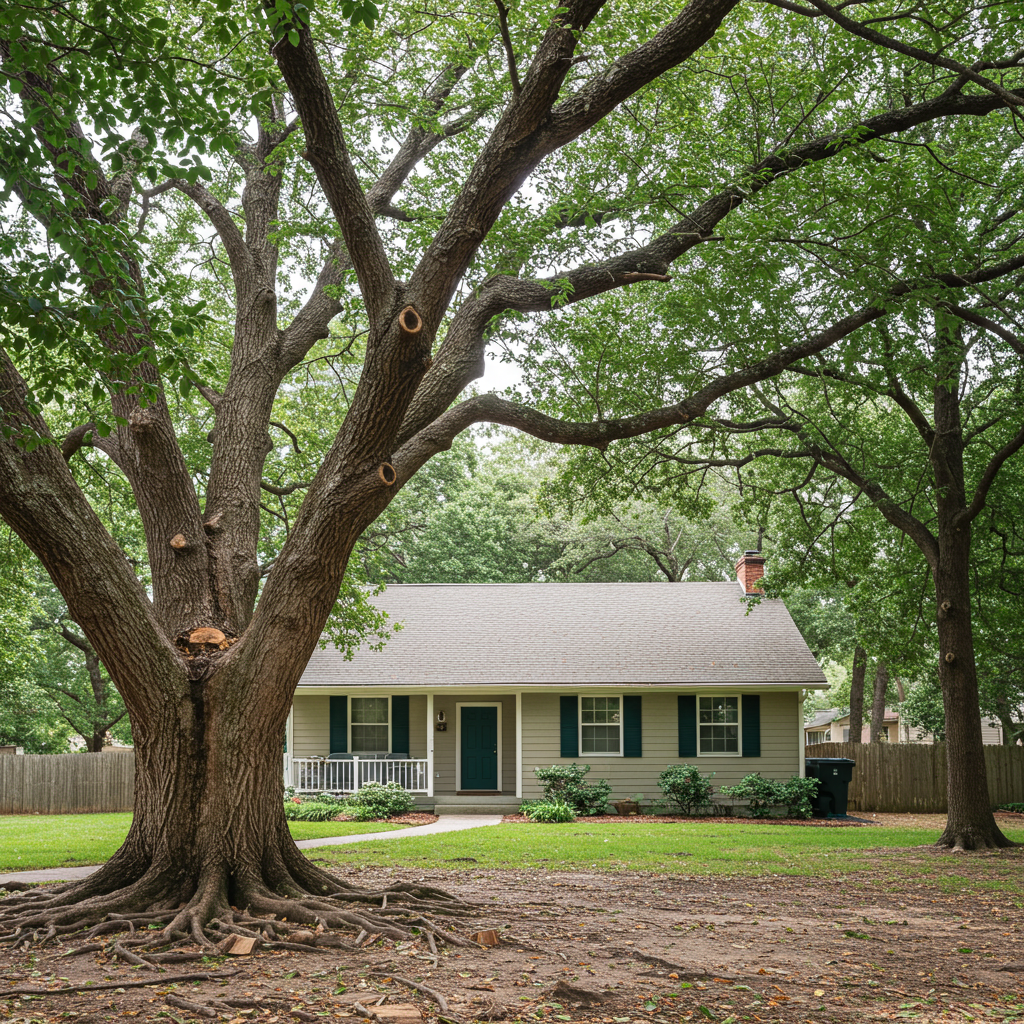
Tampa Tree Permits & Ordinances: A Homeowner's Essential Guide
Yes, in many cases, you need a tree permit in Tampa, especially for removal, significant trimming, or altering protected trees on private property. The City of Tampa and Hillsborough County have specific ordinances to protect the urban canopy, requiring permits to ensure regulated and environmentally responsible tree management.
Tampa's lush urban canopy is one of its most defining features, offering shade, improving air quality, and enhancing property values. However, maintaining this natural beauty comes with responsibilities, particularly when it involves significant tree work. For homeowners, navigating the complex world of local tree ordinances and permit requirements can be daunting. Uninformed decisions can lead to costly fines, project delays, or even legal issues. This comprehensive guide will illuminate the necessity of tree permits in Tampa and Hillsborough County, helping you understand when they're needed, how to obtain them, and why compliance is paramount for both your property and our community's green infrastructure.
When Do You Need a Tree Permit in Tampa?
It's a common misconception that trees on private property are entirely at the owner's discretion. In Tampa and unincorporated Hillsborough County, specific regulations govern tree removal, and in some cases, even significant pruning. The general rule of thumb is that if you're planning to remove a tree or perform major trimming on a protected tree, a permit is likely required. Here are the key scenarios:
- Tree Removal: This is the most frequent reason homeowners seek a permit. If a tree meets specific size and species criteria (often determined by its Diameter at Breast Height, or DBH, and whether it's a native or protected species), a permit is mandatory before removal. This applies even if the tree appears unhealthy or problematic.
- Significant Pruning: While routine maintenance like light trimming usually doesn't require a permit, extensive pruning—such as removing more than 25% of the live tree crown within a year, or severe topping—often does. Such actions can significantly impact a tree's health and are regulated to prevent damage or premature death.
- Working Near Protected Trees: Construction, excavation, or any activity that could impact the critical root zone of a protected tree may also necessitate a permit or specific protection plans approved by the county or city.
- Grand or Heritage Trees: Both the City of Tampa and Hillsborough County have special classifications for exceptionally large or historically significant trees, often referred to as 'Grand Trees' or 'Heritage Trees'. These trees have enhanced protections, and any work on or near them almost always requires a permit and often an arborist's report.
There are some exceptions, such as emergency removal of trees posing an immediate hazard to life or property, or the removal of certain invasive species. However, even in these cases, it's prudent to document the situation (e.g., with photos) and notify authorities promptly to avoid misunderstandings.
Understanding Tampa's Protected Tree Species and Sizes
The concept of a
Need Professional Assistance?
Get a free, no-obligation estimate from our expert local team today.