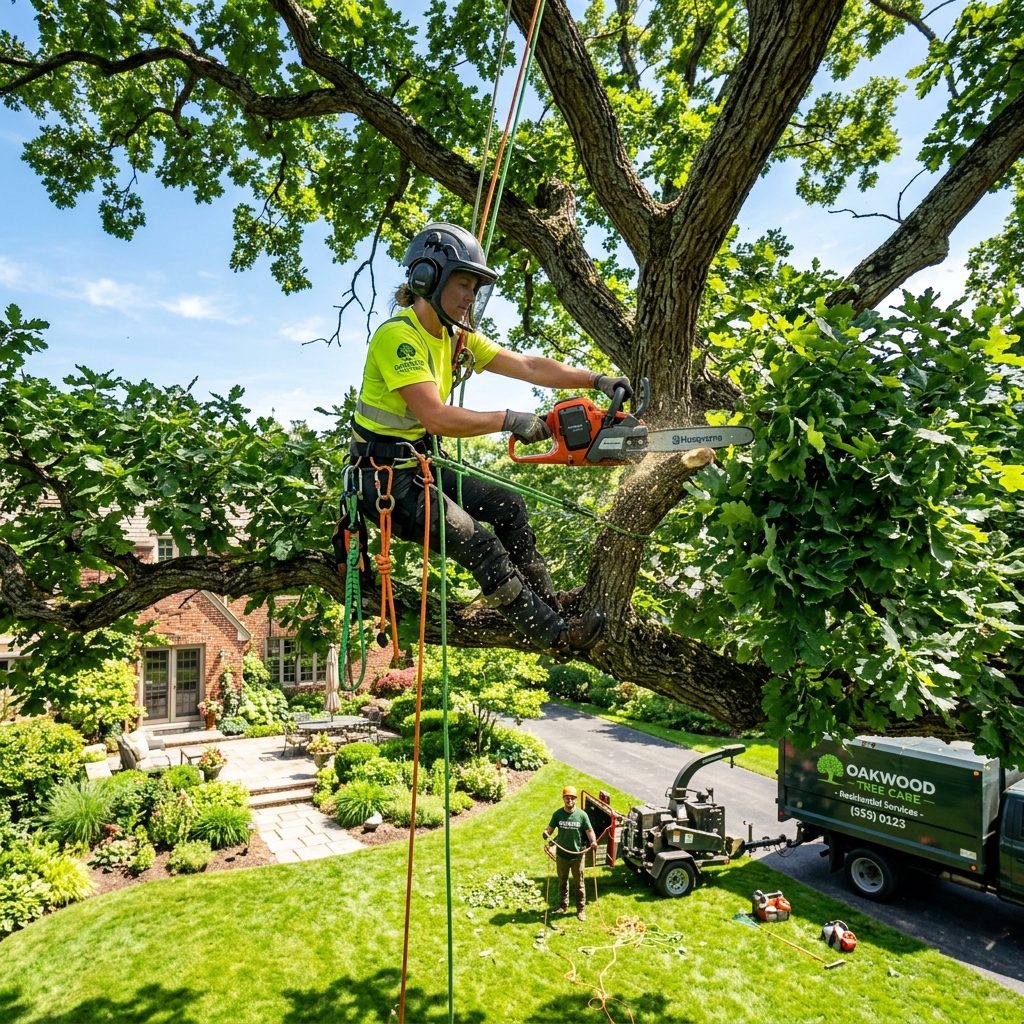
Protect Your Tampa Trees: Expert Guide to Local Pests & Diseases
Tampa, FL, with its warm, humid climate, provides an ideal environment for a diverse array of tree species, from majestic oaks to iconic palms. Unfortunately, this climate also makes trees susceptible to various diseases and invasive pests that can rapidly compromise their health and structural integrity. Understanding the specific threats prevalent in our region is the first step toward proactive tree care. Generic solutions often fall short; what works for trees in cooler climates may not be effective, or even appropriate, for the unique challenges faced by trees in the greater Tampa Bay area. Ignoring these signs can lead to irreversible damage, expensive emergency services, and even the complete loss of a beloved tree. That's why informed, timely action is paramount for every homeowner and property manager in the region.
What Are the Most Common Tree Diseases in Tampa, FL?
Trees in Tampa are constantly battling various pathogens and environmental stressors. Knowing what to look for can help you identify a problem before it escalates.
Common Fungal Diseases:
- Ganoderma Butt Rot: Particularly devastating to palm trees, this fungus attacks the lower trunk, or "butt," causing the wood to decay from the inside out. External signs include conks (shelf-like fungal growths) near the base. Unfortunately, once conks appear, the internal damage is usually extensive and the tree is often compromised beyond saving, posing a significant fall risk.
- Laurel Wilt Disease: A rapid-acting and lethal vascular disease primarily affecting avocado, sassafras, and redbay trees. It's spread by the ambrosia beetle. Symptoms include wilting leaves that turn reddish-brown and remain attached to the branches. There is no known cure, making prevention and rapid removal of infected trees critical to prevent spread.
- Oak Wilt: While less common in Tampa than some other areas of Florida, it's a serious threat to oak trees, especially red oaks. This fungal disease spreads through root grafts and sap-feeding beetles. Symptoms include rapid wilting and browning of leaves, often starting at the top of the canopy and progressing downwards.
- Leaf Spot Diseases: Caused by various fungi, these manifest as spots on leaves, which can lead to premature defoliation. While often cosmetic, severe infestations can weaken a tree over time.
- Powdery Mildew: Appears as a white, powdery coating on leaves and stems. It can inhibit photosynthesis and distort new growth, particularly during humid periods.
Bacterial and Other Diseases:
- Bacterial Leaf Scorch: Affects many shade trees, including oaks and sycamores. Symptoms include browning or scorching of leaf margins, progressing inward. It's often mistaken for drought stress, but bacterial leaf scorch typically shows a distinct yellow halo between the brown and green tissue.
- Canker Diseases: Caused by fungi or bacteria, cankers are sunken, discolored lesions on stems and branches. They can girdle branches, cutting off water and nutrient flow, leading to dieback.
Understanding these local threats is critical for anyone managing trees in North Tampa and surrounding areas.
How Do I Identify Tree Pests Affecting My Tampa Landscape?
Beyond diseases, a myriad of insect pests can wreak havoc on your Tampa trees. Each pest leaves distinct clues.
Common Insect Pests:
- Aphids: Small, soft-bodied insects that cluster on new growth and the undersides of leaves, sucking sap. They excrete sticky "honeydew," which can lead to sooty mold growth.
- Scale Insects: Tiny, immobile pests that attach to stems and leaves, feeding on sap. They appear as small bumps and can be difficult to spot. Heavy infestations cause yellowing leaves, stunted growth, and branch dieback.
- Whiteflies: Small, white, winged insects often found in large numbers on the undersides of leaves. They fly up in a cloud when disturbed and, like aphids, produce honeydew.
- Boring Insects (e.g., Ambrosia Beetles, Bark Beetles): These pests tunnel into the bark and wood of trees, disrupting nutrient flow. Signs include small, round exit holes, sawdust-like frass on the bark, and sap oozing from entry points. They often target stressed or weakened trees.
- Caterpillars (e.g., Cankerworms, Tent Caterpillars): While some are benign, large populations can defoliate trees rapidly. Look for chewed leaves, silk webbing, and visible larvae.
Regular inspection of your trees, especially new growth and the undersides of leaves, is essential. Pay attention to any discoloration, unusual growths, or the presence of insects themselves.
When Should I Call a Professional for Tree Disease or Pest Treatment in Tampa?
While some minor issues can be managed with home remedies, many tree diseases and pest infestations in Tampa require professional intervention. Knowing when to call an expert can save your tree and prevent further damage.
You should contact a certified arborist if you observe:
- Rapid Decline: A sudden and unexplained wilting, browning, or defoliation of a significant portion of the tree.
- Structural Compromise: Large cankers, significant wood decay, or deep cracks in the trunk or major branches, especially if the tree is near a structure or high-traffic area.
- Fungal Growths: Mushrooms or conks growing from the trunk or base of the tree are often indicators of severe internal decay.
- Unidentified Pests: If you see a large infestation of insects you cannot identify, or if your attempts at control are unsuccessful.
- Oozing Sap or Frass: These can be strong indicators of boring insect activity, which can quickly become lethal.
- Tree Leaning or Shifting: Any noticeable shift in the tree's posture or lifting of soil around the base could indicate root damage or instability, a critical safety concern.
A professional arborist from Tampa Tree Care Specialists can conduct a thorough diagnostic assessment, which includes identifying the exact disease or pest, assessing the extent of the damage, and recommending the most effective course of action. This might involve laboratory testing for precise pathogen identification. If you're located in Lutz or a neighboring community and notice these signs, don't delay.
What Are the Treatment and Prevention Options for Tampa Tree Issues?
Once a problem is identified, a range of professional treatments and preventative measures can be employed to protect your trees.
Treatment Strategies:
- Systemic Insecticides/Fungicides: Applied via soil drench, trunk injection, or basal bark spray, these chemicals are absorbed by the tree to fight internal pests or diseases.
- Topical Sprays: Used for surface pests like aphids or powdery mildew, applied directly to the foliage.
- Pruning: Removing infected or infested branches can help contain the spread of disease and remove pest habitats. This must be done carefully to avoid further stress to the tree.
- Deep Root Fertilization: Improving a tree's overall health and vigor can enhance its natural resistance to pests and diseases.
- Pest Traps and Biological Controls: For certain pests, traps or the introduction of natural predators can be effective.
Prevention is Key:
- Proper Planting: Ensure trees are planted in suitable locations with adequate space and appropriate soil conditions.
- Regular Watering: Especially during dry periods, consistent and deep watering can reduce stress, making trees less susceptible.
- Appropriate Pruning: Dead, diseased, or damaged branches should be removed to improve air circulation and eliminate potential entry points for pathogens.
- Mulching: A layer of mulch around the base of trees helps retain moisture, regulate soil temperature, and prevent physical damage to the trunk.
- Monitoring: Regular inspection allows for early detection and intervention, often the most crucial factor in successful treatment.
- Professional Tree Health Assessments: Scheduling annual check-ups with a certified arborist can help identify subtle signs of stress or early disease/pest presence before they become severe.
Why Choose Tampa Tree Care Specialists for Your Tree Health Needs?
At Tampa Tree Care Specialists, we understand the unique arboricultural challenges presented by the Tampa climate. Our certified arborists possess in-depth knowledge of local tree species, common diseases, and prevalent pests. We combine scientific understanding with hands-on experience to provide effective, sustainable solutions for your tree care needs. From accurate diagnosis to targeted treatment plans and proactive prevention, we are dedicated to preserving the health and beauty of your landscape. We utilize state-of-the-art equipment and environmentally responsible practices to ensure the best possible outcome for your trees and property.
Don't wait for a small problem to become a devastating emergency. If you suspect your trees are suffering from disease or pest infestation, or if you simply want to ensure their long-term health, contact us today.
Call Tampa Tree Care Specialists at (813) 555-1234 for a professional tree health assessment and expert treatment in Tampa, FL. Protect your investment and enjoy a thriving landscape!
Need Professional Assistance?
Get a free, no-obligation estimate from our expert local team today.