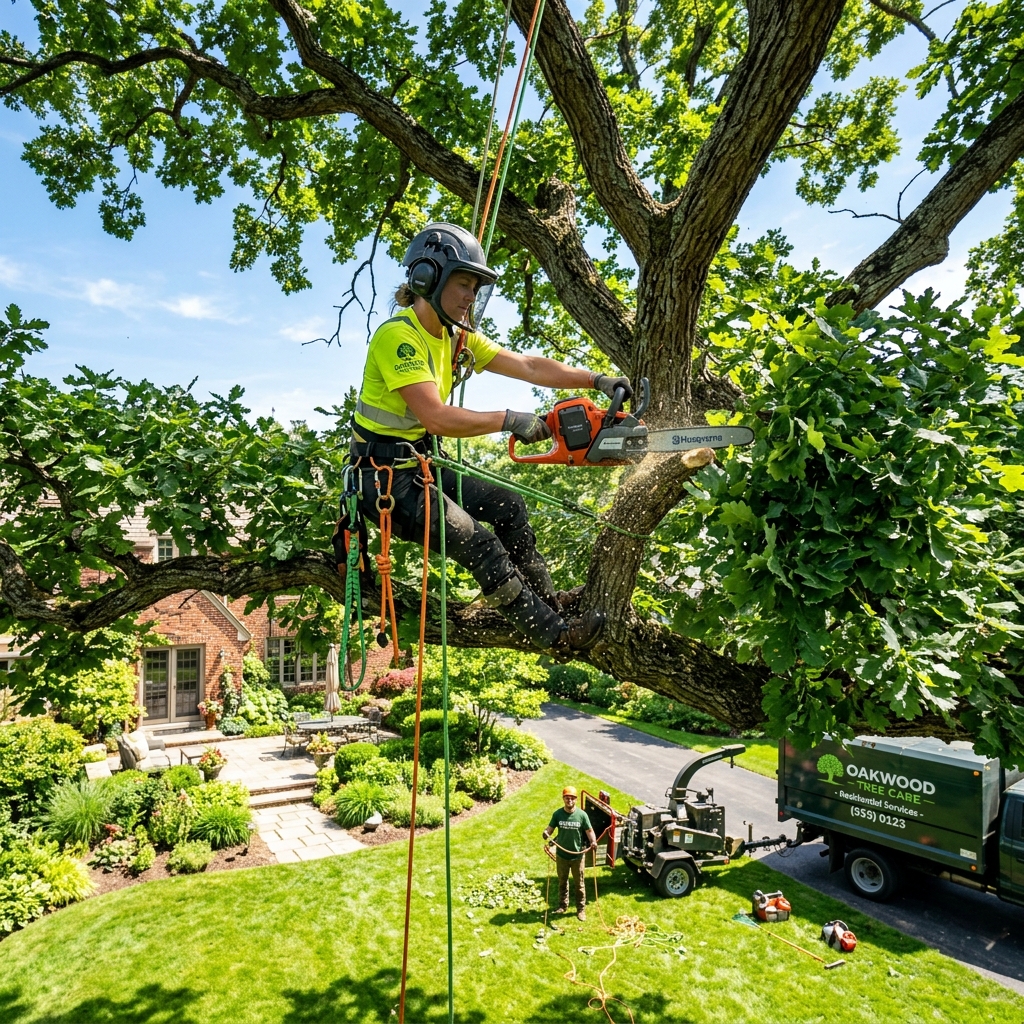
Do You Need a Tree Removal Permit in Tampa, FL? Your Essential Guide to Local Regulations & Costs
In Tampa, FL, you generally need a tree removal permit for many trees, especially those designated as 'protected,' 'heritage,' or 'significant' based on size and species, even on private property. Exemptions exist for dead, hazardous, or invasive trees, but professional assessment is often crucial to determine if a permit is truly required before any removal begins.
When Is a Tree Removal Permit Required in Tampa, FL?
Tree removal regulations in Tampa, Florida, are designed to protect the city's valuable urban canopy. These rules can vary slightly between the City of Tampa and unincorporated Hillsborough County. Understanding these distinctions is crucial before you consider any tree removal project on your property. Generally, permits are required for the removal of 'protected' or 'heritage' trees, which are often defined by their species, trunk diameter at breast height (DBH), and overall health.
Protected and Heritage Trees
Many native and long-lived tree species in Tampa are classified as protected. This typically includes magnificent oaks, magnolias, and other large canopy trees. If a tree meets specific size criteria (e.g., a certain DBH), it's likely protected, regardless of its health. Heritage trees are a special category, usually very large and old, and their removal is subject to even stricter scrutiny. Even non-native species can be protected if they reach a significant size.
Exemptions to Permit Requirements
While permits are common, there are several situations where a permit might not be required:
- Dead or Irreversibly Diseased Trees: If a tree is verifiably dead or has an incurable disease that poses a threat to other trees or property, a permit may not be needed. However, documentation from a certified arborist often expedites this process and provides necessary proof.
- Hazardous Trees: Trees that present an immediate danger to life or property (e.g., leaning precariously after a storm, extensively rotted trunk) can often be removed without a permit, but photographic evidence and prompt notification to local authorities are usually required.
- Small Trees: Trees below a certain trunk diameter (e.g., 4-6 inches DBH, depending on jurisdiction and species) are often exempt, as are certain invasive or nuisance species.
- Specific Non-Protected Species: Some fast-growing, non-native, or invasive species like Australian Pine, Brazilian Pepper, or Melaleuca typically do not require permits for removal.
It's always best practice to consult with a local tree service expert or the City of Tampa's Natural Resources division (or Hillsborough County's Development Services) to confirm permit requirements for your specific situation. This prevents potential fines and ensures compliance.
How Do I Apply for a Tree Removal Permit in Tampa, FL?
Applying for a tree removal permit in Tampa, FL, involves a specific process designed to ensure that removals are justified and that the city's green infrastructure is maintained. Here's a general overview of the steps involved:
- Initial Assessment by a Certified Arborist: This is often the first and most critical step. A certified arborist from Tampa Tree Care Specialists can accurately assess the tree's health, species, size, and determine if it meets the criteria for protection or exemption. They can provide a professional report that details the tree's condition and the justification for removal, which is often required for the permit application.
- Gather Required Documentation: You'll typically need:
- A completed permit application form (available on the City of Tampa or Hillsborough County websites).
- A site plan or survey showing the location of the tree(s) to be removed and any replacement trees.
- Photographs of the tree(s) in question.
- The arborist's report detailing the tree's condition and recommending removal.
- Proof of property ownership.
- Submit the Application: Applications are usually submitted online through the city or county's permitting portal, or in person at the respective development services department.
- Pay Application Fees: There are typically non-refundable fees associated with permit applications, which vary based on the type and number of trees.
- Review and Inspection: After submission, city or county staff will review your application and may conduct an on-site inspection to verify the arborist's findings and assess the situation independently.
- Decision and Permit Issuance: If approved, you will receive the permit. This permit will outline any conditions, such as the requirement to plant replacement trees (mitigation).
The entire process can take several weeks, so it's important to plan ahead. Engaging a professional tree service like Tampa Tree Care Specialists can streamline this process, as we have experience navigating local regulations and can assist with the necessary documentation, ensuring a smooth application.
What Happens If You Remove a Tree Without a Permit in Tampa?
Removing a protected tree without the proper permit in Tampa, FL, can lead to significant and costly consequences. Local authorities take tree protection seriously, and violations can result in hefty fines and mandatory mitigation efforts that often exceed the cost of obtaining a permit.
Potential Penalties and Fines
- Substantial Fines: Violators can face fines ranging from hundreds to thousands of dollars per tree, often calculated based on the tree's size, species, and ecological value. These fines are designed to be a deterrent and can quickly accumulate.
- Mandatory Replacement/Mitigation: Beyond monetary fines, the property owner may be legally required to replace the illegally removed tree with a new one of similar size and species, or to plant multiple smaller trees. This can involve significant landscaping costs, including purchase, planting, and ongoing care for the new trees.
- Legal Action: In severe cases, especially repeat offenses or damage to high-value heritage trees, the city or county may pursue legal action, leading to further penalties and legal fees.
- Stop-Work Orders: If illegal tree removal is discovered during a construction project, a stop-work order may be issued, halting all activity until the tree violation is resolved, causing costly project delays.
These consequences underscore the importance of understanding and adhering to Tampa's tree ordinances. Always err on the side of caution and consult with professionals before making a decision to remove a tree. Whether you're in Tampa, Apollo Beach, or even further afield in Plant City, professional guidance ensures compliance and protects your investment.
Cost Factors Beyond the Permit: Professional Tree Removal in Tampa
While permit fees are a part of the overall cost, they are often a small fraction of the total expense for professional tree removal in Tampa. Several factors influence the final price, and understanding these can help you budget appropriately.
- Tree Size and Type: Larger trees, especially those with extensive canopies or difficult-to-manage wood, require more equipment, manpower, and time, directly increasing costs. The species of tree can also play a role; for instance, some hardwoods are denser and harder to cut.
- Tree Location and Accessibility: Trees in cramped spaces, near structures, power lines, or with limited access for machinery (like cranes or large trucks) will be more expensive to remove. Manual removal or specialized rigging adds to the complexity and labor.
- Tree Condition and Health: A dead or severely diseased tree can be more brittle and unpredictable, posing greater risks during removal, thus increasing the cost due to enhanced safety measures. Conversely, a perfectly healthy tree might be easier to manage, but still requires expertise.
- Safety Risks: The inherent dangers of tree removal necessitate skilled professionals with proper insurance, certifications, and specialized equipment. Costs reflect this high level of expertise and safety protocols, protecting both the workers and your property.
- Debris Removal: Hauling away branches, logs, and wood chips is often included, but sometimes grinding the stump to below ground level (stump grinding) is an additional service. Ensure your quote specifies what is included.
- Emergency Services: If a tree needs urgent removal due to storm damage or immediate hazard, emergency services are typically more expensive due to the rapid response and atypical hours.
Investing in professional tree removal from Tampa Tree Care Specialists ensures the job is done safely, efficiently, and in compliance with all local regulations. We provide transparent, detailed estimates, explaining all cost factors so you know exactly what to expect.
Choose Tampa Tree Care Specialists for Expert Tree Removal & Permitting Assistance
Navigating tree removal permits and understanding the associated costs in Tampa, FL, doesn't have to be a headache. Tampa Tree Care Specialists is your local expert, equipped with certified arborists and experienced crews who understand the nuances of Hillsborough County and City of Tampa regulations. We can assist you every step of the way, from the initial arborist assessment and permit application to the safe and efficient removal of your tree.
Don't risk fines or property damage by attempting DIY removal or disregarding local ordinances. Trust the professionals to handle your tree removal needs responsibly and effectively. Contact Tampa Tree Care Specialists today for a comprehensive evaluation and a free, no-obligation estimate. Let us ensure your property remains beautiful and compliant with all local tree care standards.
Need Professional Assistance?
Get a free, no-obligation estimate from our expert local team today.