Safeguard Your Tampa Home: Spotting Tree Risks & Scheduling Expert Care
Living in Tampa, FL, offers many advantages, including lush landscapes and vibrant flora. However, with the beauty of mature trees comes the responsibility of ensuring their health and safety. Neglected or compromised trees can become significant hazards, especially during our unpredictable storm seasons. Understanding how to identify potential tree risks early can save you from costly damage, personal injury, or even a total tree removal that could have been prevented. This guide from Tampa Tree Care Specialists will walk you through the critical signs of tree distress and explain why professional assessment and intervention are indispensable for maintaining a safe and beautiful property.
What Are Common Tree Problems in Tampa, FL?
Tampa's unique climate and environment present specific challenges for tree health. From intense summer heat and humidity to hurricane season, trees here face a variety of stressors. Recognizing these common problems is the first step in preventative care:
- Pest Infestations: The warm, humid climate in Florida is a breeding ground for various tree pests. Common culprits like ambrosia beetles, bark beetles, and scale insects can quickly decimate trees if left unchecked. Look for sawdust-like frass, tiny holes in the bark, or sticky sap on leaves.
- Fungal Diseases: Fungi thrive in moisture. Oak wilt, Ganoderma butt rot, and powdery mildew are prevalent. Signs include discolored leaves, wilting, mushroom-like growths at the base of the trunk, or bark abnormalities.
- Hurricane & Storm Damage: Our annual hurricane season means trees are regularly subjected to high winds and heavy rainfall. This can lead to broken limbs, uprooted trees, or structural weaknesses that may not be immediately apparent. Post-storm assessment is vital.
- Nutrient Deficiencies & Soil Issues: Florida's sandy soils can sometimes lack essential nutrients, or compacted soils can hinder root growth. Yellowing leaves (chlorosis), stunted growth, or premature leaf drop can be indicators.
- Root System Damage: Construction, trenching, or even poor irrigation can damage a tree's critical root system. This often manifests as canopy decline or instability above ground. Early detection of root collar issues can save a tree.
Each of these issues can weaken a tree, making it more susceptible to falling or spreading disease to other plants. Prompt identification and action are key to mitigating these risks.
How Do I Recognize Signs of a Hazardous Tree?
Identifying a hazardous tree isn't always obvious. Sometimes, the most dangerous trees show subtle signs of distress before a catastrophic failure. Here's what Tampa homeowners should look for:
- Dead or Hanging Branches: Any large branches that are dead, broken, or hanging precariously are immediate hazards. High winds can easily dislodge them.
- Cracks in the Trunk or Major Limbs: Vertical cracks, especially those extending deep into the wood, indicate structural weakness. Check for cracks where limbs attach to the trunk.
- Cankers or Cavities: Large, open wounds or hollows in the trunk or branches can signal internal decay and severely compromise a tree's integrity.
- Leaning or Asymmetrical Growth: While some trees naturally lean, a sudden or excessive lean, especially after a storm, suggests instability. An unbalanced canopy can also make a tree top-heavy and prone to falling.
- Fungus or Conks: Mushrooms or shelf-like growths (conks) on the trunk or at the base of a tree are often signs of significant internal decay.
- Root Problems: Exposed roots, roots rising out of the ground, or roots that are decayed can indicate an unstable root system. Mounding soil or cracks in the ground around the base can also be a red flag.
- Pest Activity: Excessive insect holes, tunnels, or active pest populations indicate a compromised tree, making it weaker and more susceptible to storm damage.
If you observe any of these signs, particularly on a large tree near your home, power lines, or frequently used areas, it's time to call in the professionals. For example, homeowners in Palma Ceia understand the importance of proactive tree health to preserve property values and safety.
Why is Professional Tree Assessment Crucial in Tampa?
While homeowners can spot obvious signs, many critical tree problems are hidden from an untrained eye. This is where certified arborists become indispensable. Here’s why expert assessment is crucial:
- In-Depth Diagnosis: Arborists use specialized tools and knowledge to diagnose diseases, pest infestations, and structural weaknesses that might not be visible externally. They can assess the tree's internal health and root system.
- Risk Assessment: Beyond just identifying problems, professionals can accurately assess the level of risk a tree poses, considering factors like its proximity to structures, pedestrian traffic, and typical weather patterns in Tampa.
- Tailored Solutions: A professional evaluation leads to a precise action plan, whether it's targeted pruning, disease treatment, cabling/bracing, or safe removal. Generic solutions can often do more harm than good.
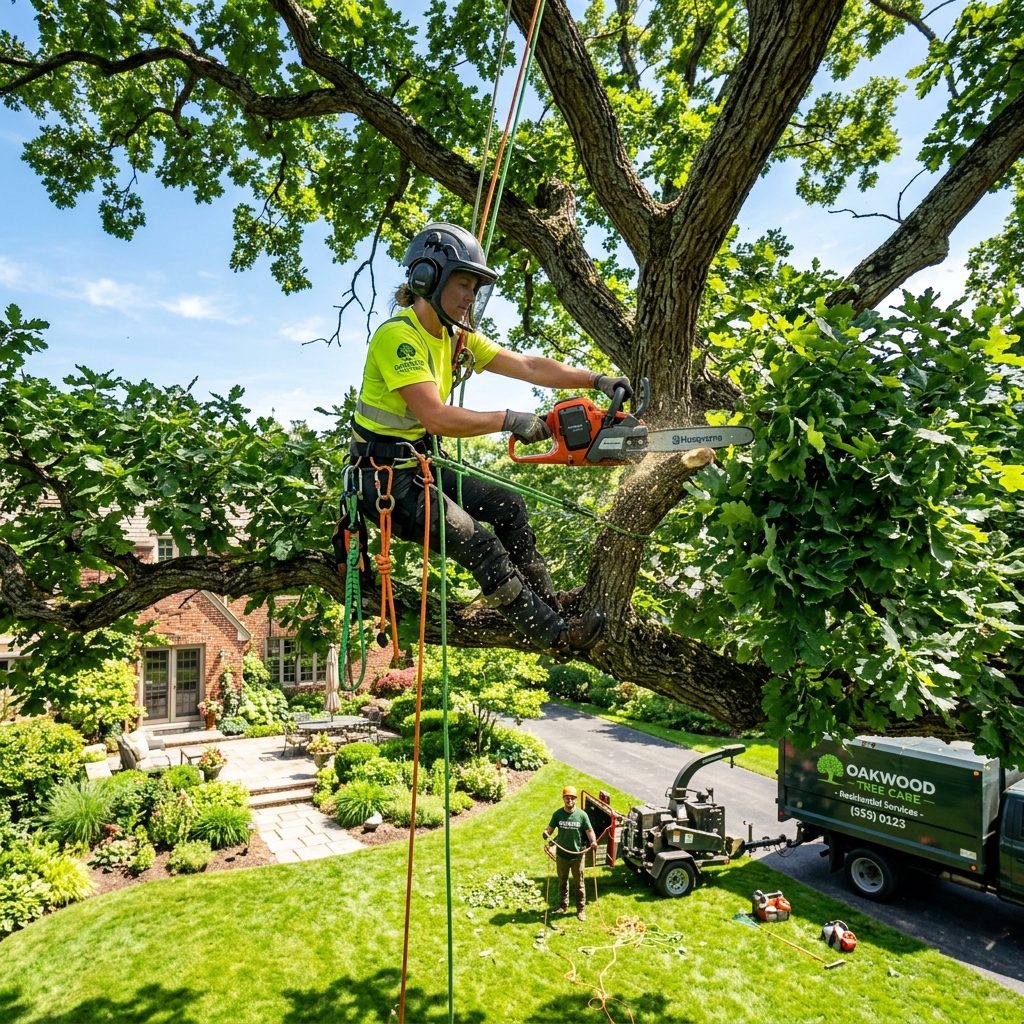
- Safety: Tree work, especially involving large or compromised trees, is inherently dangerous. Professional arborists have the equipment, training, and insurance to perform tasks safely, protecting both themselves and your property.
- Regulatory Compliance: Tampa has specific regulations regarding tree removal and pruning, especially for protected species. An arborist is knowledgeable about these ordinances and can guide you through the necessary permits.
Attempting DIY solutions for significant tree issues can be extremely risky and lead to further damage or injury. Trusting an expert ensures the job is done right, safely, and in compliance with local standards.
What Happens During a Professional Tree Service Consultation?
When you contact Tampa Tree Care Specialists for a tree risk assessment, you can expect a thorough and professional process designed to give you peace of mind:
- Initial Site Visit: A certified arborist will visit your property in Tampa, FL, or surrounding areas like Apollo Beach, to conduct a comprehensive visual inspection of the suspect tree(s) and their immediate environment.
- Detailed Examination: The arborist will look for all the signs discussed above, plus many more. This includes assessing the tree's species, age, overall vigor, bark, leaves, branching structure, root flare, and soil conditions. They may use sounding tools to detect internal decay.
- Risk Evaluation: Based on the examination, the arborist will evaluate the tree's risk potential, considering factors like target (what would be hit if it falls?), likelihood of failure, and potential consequences.
- Recommendations: You will receive a detailed report outlining the tree's condition, identified risks, and a prioritized list of recommended actions. This could include:
- Pruning: To remove dead, diseased, or hazardous branches.
- Cabling or Bracing: To support weak limbs or trunks.
- Pest & Disease Management: Specific treatments or preventative measures.
- Tree Removal: If the tree is beyond saving or poses an unacceptable risk.
- Planting Advice: For new, suitable trees.
- Transparent Pricing & Estimate: You will receive a clear, written estimate for any recommended services, explaining the costs involved and the scope of work.
This systematic approach ensures that all potential issues are identified and addressed appropriately, providing a clear path forward for your tree care needs.
Investing in Tree Health: Cost Factors and Long-Term Benefits
Understanding the cost of professional tree services is a common concern for homeowners. While prices can vary significantly based on the tree's size, location, condition, and the complexity of the job, viewing these services as an investment rather than an expense is crucial.
Factors influencing cost include:
- Tree Size & Type: Larger trees, especially those with dense canopies or unique growth patterns, require more time and specialized equipment.
- Accessibility: Trees located in difficult-to-reach areas, near power lines, or over structures will incur higher costs due to increased safety measures and equipment needs.
- Tree Condition: A severely diseased or structurally compromised tree might require more delicate handling and specialized techniques.
- Scope of Work: Simple trimming is less expensive than complex hazard removal or stump grinding.
- Emergency vs. Planned Service: Emergency services for storm-damaged or critically hazardous trees are typically more costly than scheduled, preventative maintenance.
The long-term benefits of investing in professional tree care far outweigh the costs of neglect. Proper maintenance enhances property value, improves curb appeal, provides shade and energy savings, and most importantly, ensures the safety of your family and property. Preventative care helps avoid costly emergency removals and potential structural damage to your home.
Don't wait for a problem to escalate into a crisis. Proactive tree risk assessment and professional care are the smartest ways to protect your investment and maintain the beauty and safety of your Tampa property. If you have concerns about the health or stability of your trees, or simply want a professional assessment, contact Tampa Tree Care Specialists today. Our certified arborists are ready to provide expert guidance and reliable service. Call us for a free estimate and ensure your trees are a cherished asset, not a hidden liability.
Need Professional Assistance?
Get a free, no-obligation estimate from our expert local team today.