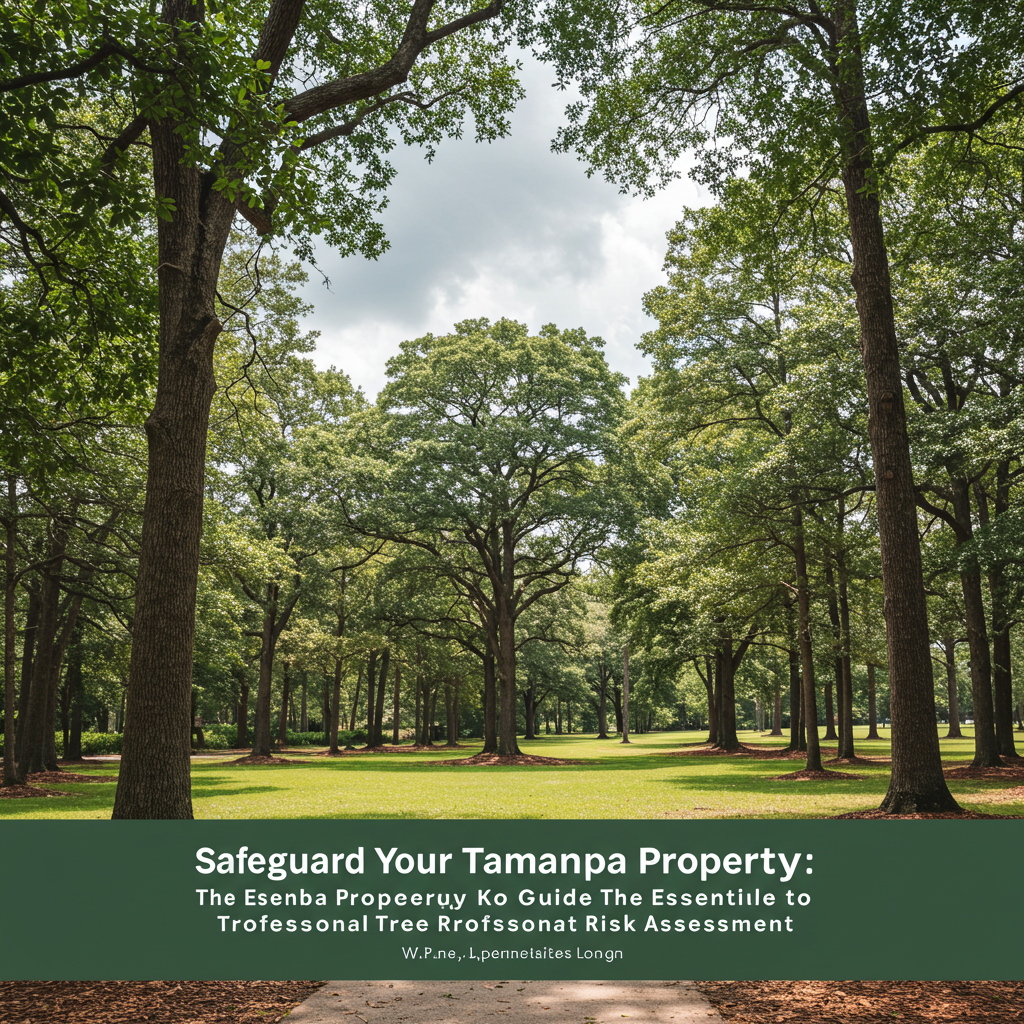
Safeguard Your Tampa Property: The Essential Guide to Professional Tree Risk Assessment
Why is Tree Risk Assessment So Important for Tampa Homeowners?
For homeowners in Tampa, the importance of regular and professional tree risk assessments cannot be overstated. Our beautiful Sunshine State climate, while idyllic for much of the year, also brings unique challenges to tree health, primarily intense heat, high humidity, and the very real threat of tropical storms and hurricanes. These environmental factors can significantly impact the structural integrity of even the most robust trees, turning what appears to be a healthy specimen into a hidden hazard.
Ignoring potential tree risks can lead to dire consequences, ranging from minor property damage like broken fences or shingles to catastrophic structural damage to your home, vehicles, or even serious personal injury. Furthermore, homeowners are often held liable for damage caused by trees originating from their property, making proactive risk management a critical aspect of property ownership. An arborist's expert eye can spot subtle signs of stress, disease, or decay that an untrained eye would miss, providing an early warning system that allows for timely intervention.
Ultimately, investing in a professional tree risk assessment contributes not only to the physical safety of your property and loved ones but also offers immense peace of mind. Knowing that your trees have been thoroughly evaluated by a qualified expert allows you to enjoy your landscape without constant worry, particularly as hurricane season approaches.
What Does a Professional Tree Risk Assessment in Tampa Involve?
A comprehensive tree risk assessment conducted by a certified arborist from Tampa Tree Care Specialists is a meticulous, multi-step process designed to identify and evaluate potential hazards. It goes far beyond a simple visual glance, employing scientific knowledge and specialized techniques to understand the tree's complete health profile.
Here’s what you can expect during a typical assessment:
- Initial Visual Inspection: The arborist begins with a thorough ground-level visual inspection of the entire tree. This includes examining the trunk, canopy, root flare, and surrounding soil. They look for obvious signs of distress or structural compromise, such as leaning, dead branches, canopy dieback, or recent changes in growth patterns.
- Identifying Common Defects: The arborist is trained to spot specific issues that often indicate risk. These include:
- Decay and Cavities: Signs of wood rot, fungal growth (mushrooms), or hollow spots within the trunk or branches.
- Cracks and Splits: Fissures in the trunk or major limbs that suggest structural weakness.
- Weak Branch Attachments: Co-dominant stems or V-shaped unions that are prone to failure.
- Pest Infestations: Evidence of insects like borers or termites that can compromise wood strength.
- Disease Symptoms: Discolored leaves, cankers, unusual growths, or other signs of pathogenic activity.
- Root Damage: Visible root girdling, upheaval, or damage from construction or landscape changes.
- Advanced Diagnostic Techniques: For trees showing more complex or hidden issues, the arborist may use advanced tools. These could include resistographs to detect internal decay, or air spades to examine root systems without causing excessive damage. These tools provide a more precise understanding of the tree’s internal condition.
- Risk Rating System: Based on their findings, the arborist uses a standardized risk assessment methodology (e.g., the ISA Basic Tree Risk Assessment process) to assign a risk rating. This rating considers:
- Likelihood of Failure: How likely is the tree or a part of it to fail?
- Likelihood of Impact: If it fails, how likely is it to hit a target (person, property)?
- Consequences of Failure: How severe would the impact be?
- Detailed Report and Recommendations: Following the assessment, you will receive a comprehensive report outlining the arborist's findings, the assigned risk rating for each significant tree, and clear, actionable recommendations for mitigation. These recommendations might include pruning, cabling/bracing, pest/disease treatment, or, in severe cases, removal.
This systematic approach ensures that all potential hazards are identified and quantified, providing you with the necessary information to make informed decisions about your tree care.
How Can a Tree Risk Assessment Protect My Property and Family in Tampa?
The primary benefit of a professional tree risk assessment is its capacity to proactively safeguard your property and, most importantly, the people who live and visit there. In a region like Tampa, where extreme weather events are a regular concern, this proactive measure becomes an indispensable tool for responsible property management.
- Preventing Catastrophic Damage: By identifying weak limbs, decayed sections, or unstable tree structures before they fail, an assessment allows for preventative action. This might mean strategically pruning a heavy limb that threatens your roof, cabling a split trunk that could otherwise collapse onto your car, or removing a tree that poses an undeniable danger. Such interventions prevent expensive repairs to homes, fences, utility lines, and vehicles, saving you significant financial strain and disruption.
- Reducing Personal Injury Risk: The most severe consequence of tree failure is the potential for serious injury or even fatality. A professional assessment directly addresses this by identifying trees or tree parts that could fall onto areas where people frequent, such as playgrounds, walkways, or outdoor living spaces. Mitigating these risks ensures the safety of your family, guests, and even passersby.
- Navigating Insurance and Liability: In the event of tree-related damage, insurance claims can be complex. Demonstrating that you've taken proactive steps to manage tree risks, such as having a certified arborist conduct regular assessments and follow their recommendations, can be crucial. It shows due diligence, potentially simplifying claims and reducing liability in cases where damage occurs despite your best efforts. Proactive care can also help maintain insurance eligibility and avoid higher premiums associated with high-risk properties.
- Enhancing Long-Term Tree Health: Beyond immediate safety, a risk assessment contributes to the overall longevity and health of your trees. By detecting early signs of disease, pest infestations, or nutrient deficiencies, arborists can recommend treatments that restore vigor and prevent issues from escalating. Healthy trees are inherently more stable and less prone to failure, contributing to the beauty and value of your landscape for years to come.
- Cost Savings Through Prevention: While there's an upfront cost for an assessment, it's often significantly less than the cost of emergency tree removal, property repairs, or medical bills following an unforeseen tree failure. Preventative pruning or early treatment is almost always more economical than reactive emergency services.
Ultimately, a tree risk assessment is an investment in safety, financial stability, and the lasting health of your Tampa landscape.
When Should You Schedule a Tree Risk Assessment for Your Tampa Property?
Knowing when to call a professional arborist for a tree risk assessment is as crucial as the assessment itself. Several key scenarios and regular intervals warrant scheduling this vital service for your Tampa property:
- Before Hurricane Season (Annually): This is arguably the most critical time for Tampa homeowners. Florida's hurricane season typically runs from June 1st to November 30th. Scheduling an assessment in late spring (April/May) allows ample time to identify and mitigate risks before the peak storm activity. This proactive approach significantly reduces the chance of tree failure during high winds and heavy rains.
- After a Major Storm Event: Even if your trees seemed fine immediately after a hurricane or severe thunderstorm, it's wise to have them checked. High winds can cause internal stress, hairline cracks, or root damage that may not be immediately apparent but could lead to delayed failure. An arborist can identify these hidden issues.
- Purchasing a New Property: If you're buying a home in Tampa, especially one with mature trees, a tree risk assessment should be part of your due diligence. It can reveal potential hazards that might become costly problems down the line and impact your insurance or future landscape plans.
- When You Notice Changes in Tree Health: Be observant of your trees. Any sudden or gradual changes in a tree's appearance or structure should prompt an assessment. This includes:
- Sudden leaf drop or discoloration outside of seasonal norms.
- Presence of mushrooms or other fungal growths on the trunk or base.
- New cracks, splits, or peeling bark.
- Significant leaning or shifting of the tree.
- Areas of extensive dead branches or canopy dieback.
- Evidence of pest activity, such as sawdust or exit holes.
- Before Construction or Major Landscaping Changes: Any ground disturbance near a tree's root zone can compromise its stability and health. An assessment before such projects can help develop protection plans or identify trees that may not survive the disturbance.
- Regular Intervals (Every 3-5 Years): Even seemingly healthy, stable trees benefit from periodic assessments. Trees are living organisms that age, grow, and are subject to environmental stressors. A routine check-up helps monitor their long-term health and catch emerging issues before they become emergencies.
Being attentive to these indicators and proactive with scheduling can make a significant difference in maintaining a safe and beautiful landscape.
Protecting your Tampa home and family from potential tree hazards is a responsibility best managed with professional expertise. By understanding the critical role of a comprehensive tree risk assessment, you empower yourself to make informed decisions about your property's safety and the long-term health of your trees. Don't wait for a storm to reveal a hidden danger. If you have concerns about the trees on your property, or if it's been a while since your last professional inspection, reach out to Tampa Tree Care Specialists. Our certified arborists are equipped with the knowledge and tools to provide a thorough assessment, ensuring your peace of mind and the continued beauty of your landscape. Contact us today to schedule your expert tree risk assessment and invest in the safety and future of your Tampa property.
Need Professional Assistance?
Get a free, no-obligation estimate from our expert local team today.