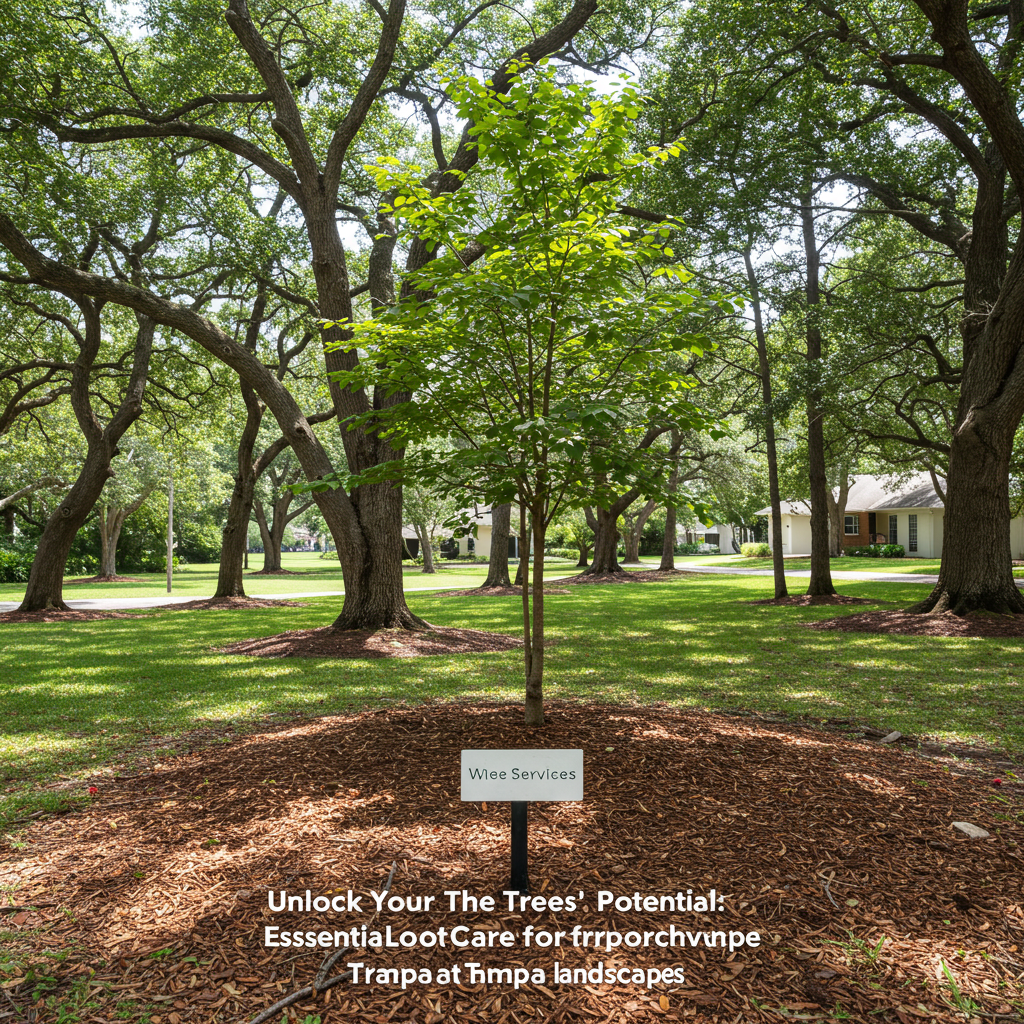
Unlock Your Trees' Potential: Essential Root Care for Thriving Tampa Landscapes
Maintaining healthy tree roots is paramount for the overall vitality, stability, and longevity of your trees in Tampa, directly impacting their ability to absorb water and nutrients, resist diseases, and withstand severe weather. Neglecting root care can lead to weakened trees, structural instability, and susceptibility to pests and environmental stressors common in the Florida environment.
Why is Tree Root Health So Crucial in Tampa's Environment?
Tampa's climate presents unique challenges and opportunities for tree root systems. The sandy soils, high humidity, and frequent heavy rainfall, coupled with occasional droughts, demand robust and well-managed roots. Unlike areas with deep, rich topsoil, many parts of Tampa have sandy, well-draining (or sometimes poorly draining, depending on the specific location) soils that can lead to rapid nutrient leaching. Tree roots must work harder to establish and maintain a strong foothold, making proper care even more critical.
- Nutrient and Water Absorption: Roots are the primary mechanism for absorbing essential water and nutrients from the soil. A healthy, extensive root system ensures your tree gets what it needs to flourish. In Tampa's climate, efficient water uptake is crucial during dry spells, while proper drainage around roots prevents waterlogging during heavy rains.
- Anchoring and Stability: A strong root system provides the structural support that keeps trees upright, especially important during Tampa's hurricane season and severe thunderstorms. Compromised roots can lead to dangerous tree failures.
- Disease and Pest Resistance: Healthy roots contribute to a tree's overall vigor, allowing it to better resist common Tampa tree diseases and pests, which are more prevalent in stressed or weakened trees. A well-nourished tree can naturally defend itself more effectively.
- Soil Aeration: Roots, particularly those near the surface, contribute to soil aeration, creating pathways for air and water to penetrate deeper, benefiting the entire soil ecosystem. This is vital in compact soils often found in urban Tampa.
What Are Common Tree Root Problems to Watch For in Tampa?
Identifying root problems early can save your trees and property. Many issues are subtle and develop over time, often hidden beneath the surface.
- Root Compaction: This occurs when soil around the roots becomes dense and compressed, often due to foot traffic, heavy machinery, or construction. Compacted soil reduces oxygen availability and water penetration, effectively suffocating the roots. Symptoms include stunted growth, small leaves, premature leaf drop, and dieback in the tree crown.
- Girdling Roots: A girdling root grows around the trunk or other roots, constricting the flow of water and nutrients. As the tree grows, the girdling root tightens, eventually strangling the tree. Look for a flat side on the trunk at the soil line, a lack of flare at the base, or general decline in tree health. This is particularly common in trees planted too deeply or left too long in containers.
- Root Damage: Physical damage from trenching, construction, lawn mowers, or improper excavation can sever or wound roots, creating entry points for diseases and impairing the tree's ability to absorb resources. Symptoms mimic those of girdling or compaction, but might be localized to one side of the tree.
- Root Rot: Excessive moisture, especially in poorly drained soils, can lead to fungal root rot. The roots become soft, mushy, and dysfunctional. Signs include wilting leaves even when the soil is wet, yellowing foliage, and a general decline, often starting from the top down.
- Nutrient Deficiencies: While not strictly a root problem, inadequate nutrient availability or the inability of damaged roots to absorb them can severely impact tree health. Yellowing leaves (chlorosis), stunted growth, and early defoliation are common indicators.
How Can I Protect and Nurture My Tree Roots in Florida?
Proactive care is the best defense against most root-related issues. Simple practices can make a significant difference in the long-term health of your Tampa trees.
- Proper Planting: Ensure trees are planted at the correct depth, with the root flare (where the trunk widens at the base) visible above the soil line. Avoid planting in overly compacted soil.
- Mulching: Apply a 2-4 inch layer of organic mulch (like wood chips) in a wide circle around the tree, keeping it a few inches away from the trunk. Mulch helps retain soil moisture, regulate temperature, suppress weeds, and slowly releases nutrients as it decomposes. It also discourages lawn mowers and string trimmers from damaging the trunk and surface roots.
- Appropriate Watering: While Tampa receives a lot of rain, trees still need supplemental watering during dry periods, especially young trees. Water deeply and slowly to encourage roots to grow downwards, rather than shallowly. Avoid overwatering, which can lead to root rot.
- Prevent Compaction: Restrict foot and vehicle traffic around the root zone, which typically extends to the drip line (the edge of the tree's canopy) and often beyond. Use barriers or strategic landscaping to guide people away.
- Careful Excavation: If any construction or landscaping work is planned near trees, consult with a professional arborist to understand how to best protect roots. Root pruning, if necessary, should only be done by experts.
- Aeration & Soil Amendment: For existing trees in compacted soil, consider professional soil aeration and amendment techniques. This can involve specialized equipment to break up compaction and incorporate organic matter.
When Should I Call a Professional for Tree Root Issues in Tampa?
While DIY care is helpful, some root problems require the expertise of a certified arborist. Knowing when to call a professional can prevent irreversible damage and ensure the safety of your property.
- Diagnosing Unknown Problems: If your tree shows signs of decline and you can't identify the cause, a certified arborist from Tampa Tree Care Specialists can accurately diagnose root issues and recommend targeted solutions. They have the knowledge and tools to assess hidden problems.
- Girdling Root Correction: Removing girdling roots is a delicate procedure that, if done improperly, can harm the tree more than help it. Our experts can carefully expose and prune these roots to restore proper nutrient flow.
- Severe Compaction: For widespread or severe soil compaction, specialized equipment like an air spade may be necessary to decompact the soil without damaging roots. Tampa Tree Care Specialists utilizes advanced techniques for effective soil remediation.
- Construction Protection: Before any construction or significant landscaping near your trees, an arborist can provide a pre-construction assessment, establish root protection zones, and advise on root pruning techniques to minimize impact.
- Root Barrier Installation: If roots are causing damage to foundations, sidewalks, or utility lines, an arborist can assess the situation and recommend appropriate root barrier solutions or strategic root pruning.
- Risk Assessment: If you suspect a tree's stability is compromised due to root issues, a professional assessment is crucial to determine the risk of failure and recommend appropriate action, including cabling, bracing, or removal if necessary.
Your trees are a significant investment and a beautiful asset to your Tampa property. Ensuring the health of their root systems is fundamental to their survival and your enjoyment. Don't let hidden issues compromise their future. Contact Tampa Tree Care Specialists today for a professional tree health assessment and expert root care services. Our certified arborists are dedicated to preserving and enhancing the natural beauty and safety of your landscape.
Need Professional Assistance?
Get a free, no-obligation estimate from our expert local team today.