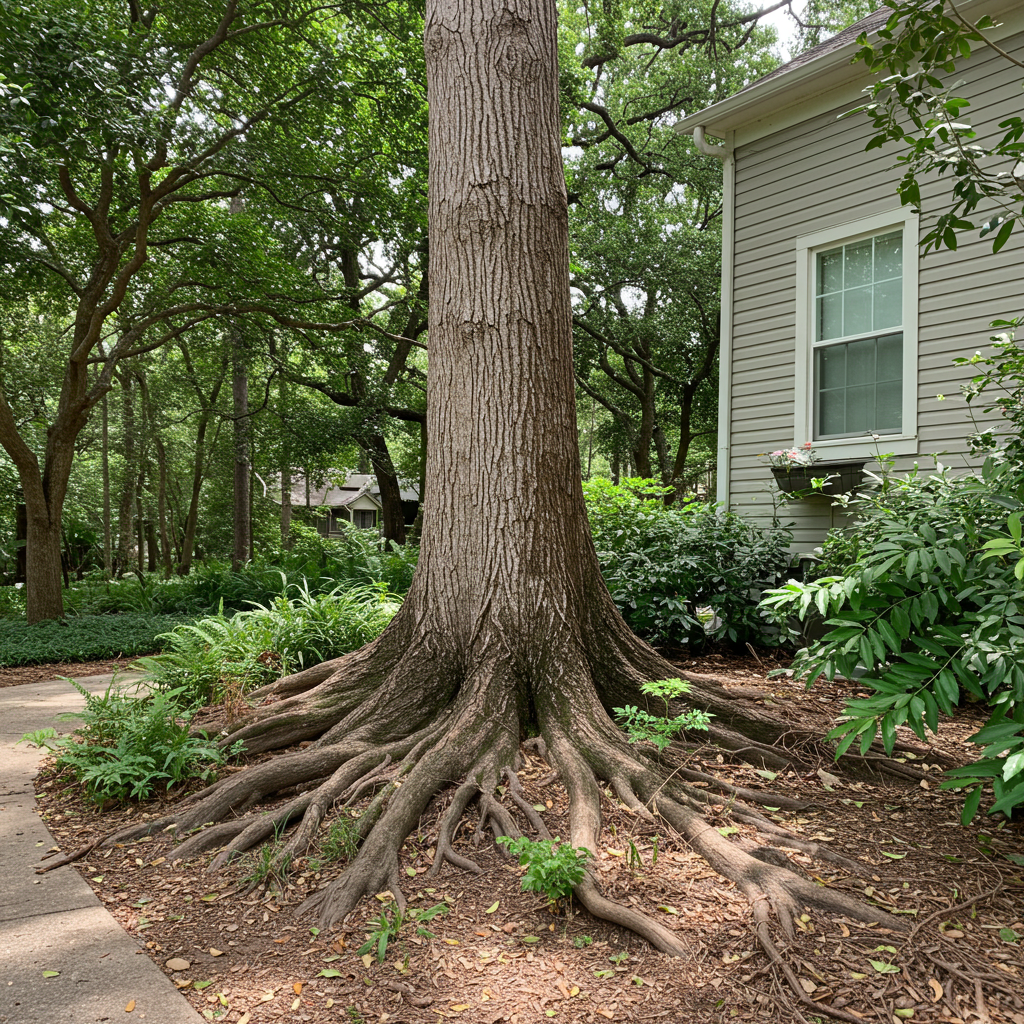
Protect Your Tampa Home: Spotting & Preventing Tree Root Damage
Trees are a vital part of Tampa's landscape, providing shade, beauty, and environmental benefits. However, beneath the surface, their extensive root systems can sometimes pose a hidden threat to your home's foundation, plumbing, and other structures. Understanding how to identify and prevent tree root damage is crucial for any Tampa homeowner looking to protect their property investment.
What are the signs of tree root damage to foundations and pipes in Tampa?
In Tampa, signs of tree root damage to foundations often include cracks in walls or floors, uneven settling, and sticking doors or windows. For plumbing, look for recurring clogs, slow drains, or wet spots in your yard. Early detection and professional assessment are crucial to prevent costly repairs to your property.
How can Tampa homeowners identify tree root damage to their foundations?
Tree roots are naturally attracted to moisture and nutrients, and they can exert immense pressure as they grow, leading to significant structural damage over time. In Tampa's humid climate, soil moisture can fluctuate, causing soil to expand and contract. Tree roots exacerbate this by actively drawing moisture from the soil around your foundation, leading to localized shrinkage and settlement.
Visible Exterior Signs:
- Cracks in Exterior Walls: Look for hairline or larger cracks in your home's brick, stucco, or siding, particularly near large trees. These cracks can be horizontal, vertical, or stair-step patterns.
- Uneven Concrete Slabs: Driveways, patios, and walkways near trees might show signs of lifting, cracking, or unevenness as roots grow underneath them.
- Bulging or Lifting Pavements: Similar to concrete slabs, asphalt or paver pathways can become distorted or lift due to root pressure.
- Distorted Door and Window Frames: Frames may appear out of square, leading to gaps or difficulty in opening and closing doors and windows.
Interior Warning Signs:
- Cracks in Interior Walls or Ceilings: Analogous to exterior cracks, these can appear in plaster or drywall, often indicating foundational movement.
- Uneven Floors: Sections of your floor may feel bouncy, sloped, or uneven. Hardwood floors might separate, and tiles could crack.
- Sticking Doors and Windows: If doors and windows that once operated smoothly begin to stick, it could be a sign of foundation shift caused by root activity.
- Gaps Between Baseboards and Floors: Small but noticeable gaps appearing indicates that the floor or wall has shifted.
Detecting these signs early is key. Ignoring them can lead to escalating repair costs and compromised structural integrity of your home.
What are the common indicators of tree roots impacting underground pipes in Tampa?
Underground pipes, especially older ones, are highly susceptible to tree root intrusion. Roots are naturally drawn to the water vapor and nutrients escaping from even the tiniest cracks or loose joints in pipes. Once inside, they grow, forming a dense mass that can block the flow, cause pipes to burst, or lead to leaks.
Plumbing Specific Indicators:
- Frequent Clogs: If you experience recurring clogs in your drains, particularly those closest to large trees in your yard, tree roots are a likely culprit.
- Slow Drains: Water that drains sluggishly from sinks, showers, or toilets can indicate a partial blockage by roots.
- Gurgling Sounds: Unusual gurgling noises coming from your drains or toilets often signify a blockage that is impeding proper water flow and air displacement.
- Low Water Pressure: While less common for root intrusion, a severe blockage or burst pipe could potentially affect water pressure.
- Foul Odors: Unpleasant odors emanating from drains or sewage backups in your yard can be a strong indication of a root-obstructed or compromised sewer line.
- Lush Patches in Your Yard: Areas of your lawn that are unusually green, thick, or moist, especially near sewer or water lines, can signal a leaking pipe that is feeding nearby tree roots.
Older pipes made of clay, cast iron, or even PVC with poorly sealed joints are particularly vulnerable. As roots thicken and expand, they can completely crush or displace pipes, necessitating costly excavation and replacement.
What preventative measures can Tampa residents take to protect their property from root intrusion?
Proactive measures are always more cost-effective than reactive repairs. Tampa homeowners have several strategies to mitigate the risk of tree root damage.
Smart Tree Selection & Placement:
- Choose Non-Invasive Species: When planting new trees, select species known for less aggressive or deeper root systems. Consider consulting with a local arborist for recommendations suitable for Tampa's climate and soil.
- Appropriate Planting Distance: Plant trees a safe distance from your home's foundation, driveways, sidewalks, and underground utility lines. A general rule of thumb is to plant at least as far away as the tree's mature canopy spread.
Root Barriers:
- Physical Barriers: These are vertical barriers, typically made of high-density plastic, metal, or non-woven geotextile fabric, installed in the ground between the tree and the structure. They redirect root growth downwards and away from foundations and pipes. Professional installation is crucial to ensure they are placed at the correct depth and distance.
- Chemical Barriers: While less common for residential use, some products can inhibit root growth in specific areas. These are usually applied by professionals and used cautiously.
Regular Landscape Maintenance:
- Deep Watering: Encourage roots to grow deeper into the soil by providing deep, infrequent watering, especially during dry periods. This reduces the roots' tendency to seek moisture closer to the surface and your home's foundation.
- Mulching: Apply a 2-4 inch layer of organic mulch around the base of your trees, keeping it a few inches away from the trunk. Mulch helps retain soil moisture, moderates soil temperature, and provides nutrients, reducing the roots' need to travel far for resources.
Proactive Pipe Maintenance:
- Regular Inspections: If your home has older plumbing, consider having a plumber perform a video inspection of your main sewer line every few years to check for root intrusion.
- Hydro-Jetting: For minor root intrusions, hydro-jetting can clear roots from pipes without damaging the pipe itself. This can be a preventative measure to keep roots at bay.
Implementing these strategies can significantly reduce the likelihood of costly root-related repairs to your property.
When should Tampa residents call a professional for tree root damage concerns?
While DIY vigilance is important, there are times when professional expertise is indispensable. Engaging a certified arborist or tree service company like Tampa Tree Care Specialists can prevent further damage and ensure the health and safety of your trees and property.
- Early Signs of Damage: If you notice any of the warning signs discussed – cracks in foundations, uneven pavement, or recurring plumbing issues – it's time to call a professional for an assessment.
- Large, Mature Trees Near Structures: Trees with extensive root systems (like Oaks or Maples) planted close to your home warrant regular professional evaluation, even if no damage is visible yet.
- Pre-Construction Assessment: Before undertaking any major construction or landscaping projects near established trees, consult with an arborist to understand potential root conflicts and mitigation strategies.
- Root Pruning or Tree Removal: If roots are identified as the direct cause of damage, professional root pruning or, in severe cases, tree removal may be necessary. This requires specialized knowledge to perform safely and effectively without further harming the tree or property. Incorrect root pruning can destabilize a tree or lead to its decline.
- Comprehensive Assessment: A certified arborist from Tampa Tree Care Specialists can perform a thorough root system inspection, assess the overall health of your trees, and provide expert recommendations. They can advise on the best course of action, whether it's installing root barriers, performing precision root pruning, or safely removing a problematic tree. Their local knowledge of Tampa's soil conditions and common tree species is invaluable.
Don't wait for minor issues to become major headaches. Protecting your Tampa home from tree root damage requires a combination of informed prevention and timely professional intervention. By being proactive and consulting with experts like Tampa Tree Care Specialists, you can safeguard your property and maintain the beauty and health of your trees for years to come.
Need Professional Assistance?
Get a free, no-obligation estimate from our expert local team today.