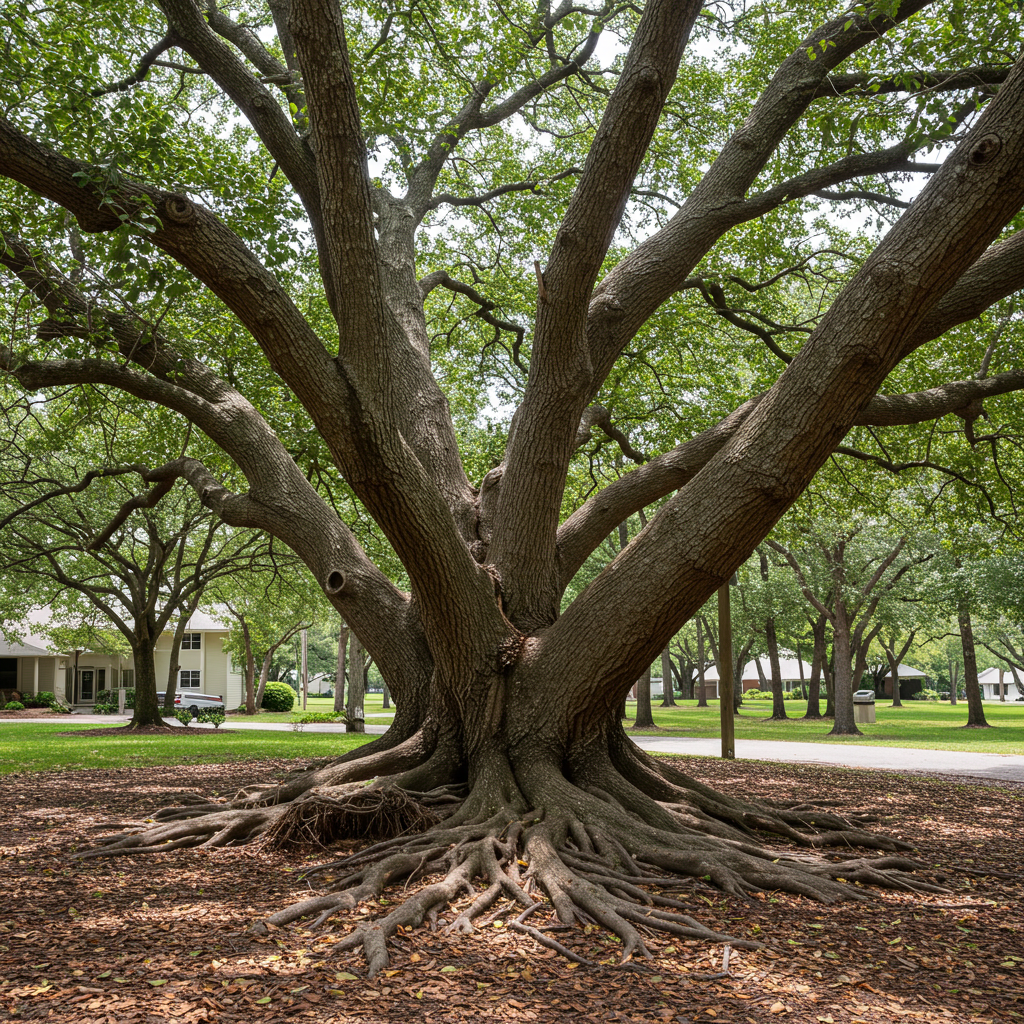
Protect Your Property: A Guide to Understanding Tree Roots in Tampa
Tree roots can damage Tampa homes by seeking out moisture, causing cracks in foundations, sidewalks, and driveways, and infiltrating underground pipes. Aggressive root growth, especially from large or improperly placed trees, can disrupt structural integrity and lead to expensive repairs if not managed proactively and correctly.
In the vibrant landscape of Tampa, where lush greenery thrives year-round, trees are not just aesthetic assets; they are integral to our environment. However, beneath the surface, the unseen network of tree roots can pose significant challenges to property owners. Understanding how these roots behave, especially in Tampa’s unique climate and soil conditions, is crucial for preventing costly damage to your home, driveway, and underground utilities. This guide will help you navigate the complexities of tree root systems and equip you with the knowledge to protect your property effectively.
Why are Tampa tree roots a unique concern for homeowners?
Tampa's subtropical climate, characterized by high humidity, abundant rainfall, and occasional dry spells, creates a specific environment that influences how tree roots grow and seek resources. This, coupled with specific soil types and common tree species, makes root management a distinct challenge for local homeowners.
- Moisture Seeking Behavior: During dry periods, tree roots, particularly those of large, mature trees, will actively seek out reliable sources of moisture. Unfortunately, underground water pipes, septic systems, and even leaky sprinkler lines can become irresistible targets. As roots infiltrate tiny cracks or joints in pipes, they expand, exacerbating the damage and leading to blockages or ruptures.
- Aggressive Local Species: Certain tree species commonly found in Tampa, such as Live Oaks (Quercus virginiana), Water Oaks (Quercus nigra), and some varieties of Ficus, are known for their vigorous and extensive root systems. These roots can spread far beyond the canopy's drip line and are particularly strong, capable of lifting concrete and asphalt with ease. While beautiful, their placement near structures requires careful consideration.
- Soil Composition: Tampa’s soil often ranges from sandy loams to denser clay soils. Sandy soils, common in many parts of the region, offer less resistance, allowing roots to spread more easily and deeply. However, even in denser soils, the persistent growth of tree roots can exert immense pressure, leading to structural damage over time.
- Construction Practices: Many older homes in Tampa were built without anticipating the long-term growth of planted trees, or with less robust pipe materials. This combination often sets the stage for future root-related problems, as modern building codes and materials offer better protection.
What are the tell-tale signs of potential tree root damage around your Tampa home?
Being able to identify the early warning signs of root intrusion or damage can save Tampa homeowners significant time and money. Proactive detection allows for intervention before problems escalate. Here are key indicators to look out for:
- Cracked or Uneven Pavement: One of the most common and visible signs is cracking or lifting in sidewalks, driveways, patios, and pavers. As roots grow and thicken beneath these surfaces, they exert upward pressure, causing them to shift, crack, or become uneven. This not only creates an unsightly appearance but also a tripping hazard.
- Foundation Cracks: While foundation cracks can have various causes, tree roots are a notable culprit. Roots growing too close to a home’s foundation can absorb moisture from the soil, causing the soil to shrink and settle unevenly. Conversely, growing roots can exert direct pressure on the foundation, leading to horizontal or vertical cracks. Look for hairline cracks that expand over time, especially near large trees.
- Slow or Clogged Drains: If you experience recurring slow drains, gurgling noises from plumbing, or frequent sewage backups, tree root infiltration into your sewer or water lines could be the cause. Roots are attracted to the moisture and nutrients inside pipes, and even tiny cracks allow them entry. Once inside, they grow into dense masses that trap debris and block flow.
- Dry Patches in the Lawn: Unexplained dry spots in your lawn, especially near larger trees, can indicate that extensive root systems are outcompeting your grass for water and nutrients. While not directly damaging property, it signals a robust root system that might be spreading aggressively.
- Leaning Fences or Walls: Similar to pavement, roots growing under or against garden walls, retaining walls, or fence posts can push them out of alignment, causing them to lean or crack.
How can Tampa residents proactively prevent tree root damage to their property?
Prevention is always better than cure, especially when it comes to tree root damage. Implementing smart strategies from the outset can significantly reduce the risk of future problems for your Tampa property.
1. Strategic Tree Selection and Placement
- Choose Wisely: When planting new trees, research species known for less aggressive root systems or those that are more compact. For example, some palm varieties, smaller ornamental trees, or certain fruit trees may be better choices for close proximity to structures than a sprawling oak.
- Maintain Safe Distances: This is paramount. As a general rule, plant trees at least 10-20 feet away from foundations, pipes, and septic tanks. For very large or notoriously aggressive species, even greater distances (20-30 feet or more) are advisable. Consider the tree’s mature size, not just its current sapling size.
2. Implement Root Barriers
- Understanding Barriers: Root barriers are physical or chemical obstructions placed in the soil to deflect root growth away from vulnerable areas. Physical barriers are typically made of high-density plastic or fiberglass and are installed vertically into the ground.
- Proper Installation: Effective root barrier installation requires professional knowledge. They must be deep enough to deter deep-seeking roots and placed at an appropriate distance from the tree and the structure to avoid girdling the tree or simply redirecting roots around the barrier.
- Limitations: Root barriers are not a foolproof solution. Roots can sometimes grow underneath or around them if not installed correctly or if the tree is exceptionally vigorous. They are best used as part of a comprehensive strategy.
3. Proper Watering Techniques
- Deep and Infrequent: Water your trees deeply and infrequently, encouraging roots to grow downwards rather than spreading extensively near the surface or seeking out pipes. Consistent, shallow watering can promote surface root growth, which is more likely to cause pavement damage.
- Address Leaks Promptly: Repair any leaky outdoor pipes, sprinkler heads, or faucets immediately. Roots are highly attracted to these moisture sources.
4. Regular Monitoring and Inspection
- Visual Checks: Regularly inspect your property for any of the tell-tale signs mentioned above – cracks, lifted pavement, or unusual lawn patches. Early detection is key.
- Professional Inspections: Consider periodic professional tree inspections, especially for older or larger trees near critical infrastructure. An arborist can assess root health, identify potential conflicts, and recommend preventative measures.
5. Professional Root Pruning (When Necessary)
- Expert Intervention: If roots are already causing damage or pose a high risk, professional root pruning may be an option. This is not a DIY task. Improper root pruning can severely harm or even kill a tree, compromising its stability and health.
- Strategic Removal: A certified arborist will know which roots can be safely removed or redirected without jeopardizing the tree's stability or long-term health, often using specialized equipment to minimize impact.
When should you call a professional tree service in Tampa for root issues?
While preventative measures can go a long way, some situations unequivocally call for the expertise of a professional tree service. In Tampa, dealing with tree roots requires local knowledge and specialized equipment to ensure safety and effectiveness.
- Visible Property Damage: If you notice significant cracks in your foundation, lifted concrete that poses a hazard, or severe damage to underground pipes, it’s time to call in the experts immediately. These issues often require more than just root removal; they demand a comprehensive assessment of both the tree and the damaged structure.
- Suspected Pipe Infiltration: Recurring plumbing issues that plumbers attribute to tree roots mean the problem is significant. A professional tree service, often working in conjunction with a plumber, can pinpoint the offending roots and devise a plan for their safe and effective removal.
- Large or Mature Trees Near Structures: If you have substantial, mature trees growing close to your home, driveway, or utility lines, a proactive assessment by a certified arborist is highly recommended. They can evaluate the species, growth patterns, and potential risks before damage occurs.
- Uncertainty About Solutions: If you're unsure about the best course of action – whether it's installing a root barrier, targeted root pruning, or even tree removal – a professional will provide an informed opinion based on years of experience and scientific understanding.
- Safety Concerns: Attempting to remove large roots yourself can be dangerous, potentially destabilizing the tree and creating a fall hazard. Moreover, you could inadvertently strike underground utility lines, leading to serious injury or widespread service disruption.
Dealing with aggressive tree root systems requires a blend of foresight, knowledge, and professional intervention. By understanding the unique challenges presented by Tampa’s environment and tree species, homeowners can take proactive steps to protect their property from costly damage. From strategic planting to implementing root barriers and knowing when to call in the experts, proper root management is an essential part of responsible property ownership.
For expert assessment, strategic planning, and professional root management services in Tampa, trust Tampa Tree Care Specialists. Our certified arborists have the local experience and advanced tools to identify potential issues and implement effective solutions, safeguarding your home and maintaining the health of your beloved trees. Don't wait for damage to escalate; contact Tampa Tree Care Specialists today for a comprehensive consultation.
Need Professional Assistance?
Get a free, no-obligation estimate from our expert local team today.