Unlock Thriving Trees: The Ultimate Guide to Soil Health in Tampa
What are the key components of healthy tree soil in Tampa?
Understanding the foundation of healthy soil is the first step to cultivating flourishing trees in Tampa. Unlike a simple substrate, soil is a complex, living ecosystem critical for tree survival and growth. For Tampa's specific environment, certain components become even more paramount:
- Organic Matter: This is arguably the most crucial ingredient for soil health. Composed of decaying plant and animal material, organic matter improves soil structure, increases water retention, enhances nutrient availability, and fuels beneficial microbial activity. In Tampa's often sandy soils, a high percentage of organic matter (ideally 3-5% or more) can transform infertile ground into a rich, life-sustaining medium.
- Soil Structure and Aeration: Good soil structure allows for adequate air and water movement, which are vital for root respiration and nutrient transport. Compacted soil, common in high-traffic areas or new construction, suffocates roots and prevents water penetration. Well-structured soil, often granular or crumbly, promotes deep root growth and resilience.
- Nutrient Availability and pH: Trees require a balanced diet of macro and micronutrients. Soil pH dictates the availability of these nutrients. Tampa soils can vary, but generally tend towards neutral to slightly acidic, which is suitable for many native and adapted tree species. Regular soil testing helps identify nutrient deficiencies or pH imbalances that can hinder tree health.
- Water Drainage and Retention: Tampa experiences heavy rainfall periods, making good drainage essential to prevent root rot. Simultaneously, the sandy nature of some soils means they can dry out quickly during droughts. Healthy soil strikes a balance, draining excess water while retaining enough moisture for roots to access. Organic matter greatly assists in achieving this balance.
- Microbial Life: The soil beneath your trees teems with billions of microorganisms—bacteria, fungi, nematodes, and more. These unseen workers play vital roles in decomposing organic matter, cycling nutrients, suppressing diseases, and forming symbiotic relationships with tree roots (mycorrhizae), significantly enhancing nutrient and water uptake. Nurturing this beneficial ecosystem is fundamental for robust tree health.
How does Tampa's unique climate affect tree soil health?
Tampa's subtropical climate, characterized by high temperatures, abundant humidity, and distinct wet and dry seasons, presents specific challenges and opportunities for tree soil health:
- Heat and Humidity: High temperatures accelerate the decomposition of organic matter, meaning Tampa soils require more consistent replenishment than those in cooler climates. Constant humidity can also contribute to certain fungal issues if drainage is poor.
- Heavy Rainfall and Leaching: Our summer rainy season, while beneficial for hydration, can lead to significant nutrient leaching, especially in sandy soils. Essential nutrients are washed away, leaving trees susceptible to deficiencies if not properly managed. This makes regular assessment and targeted fertilization crucial for tree fertilization in Tampa.
- Sandy Soils: A common characteristic of many areas in Tampa is sandy soil. While providing good drainage, sandy soils are often low in organic matter and have a poor capacity to retain water and nutrients. This means trees can quickly suffer from drought stress even after a short dry spell, and nutrient deficiencies are more common.
- Salt Intrusion: For properties closer to the coast or those irrigated with reclaimed water, salt can accumulate in the soil. High salinity can stress trees, impeding water absorption and nutrient uptake, leading to leaf burn and overall decline.
- Soil Compaction: Urban development, construction, and heavy foot traffic are prevalent in Tampa. Soil compaction restricts root growth, reduces oxygen availability, and impairs water infiltration, making trees more vulnerable to stress, pests, and diseases.
Understanding these climatic and geological factors is crucial for designing effective Tampa tree care strategies that specifically address local challenges.
What practical steps can Tampa homeowners take to improve their tree soil?
While Tampa's climate presents challenges, homeowners can take several proactive steps to significantly improve their tree soil health and foster robust growth:
- Regular Soil Testing: This is the cornerstone of informed soil management. A professional soil test provides an accurate snapshot of your soil's pH, nutrient levels, and organic matter content. It helps identify deficiencies or excesses, allowing for targeted amendments rather than guesswork.
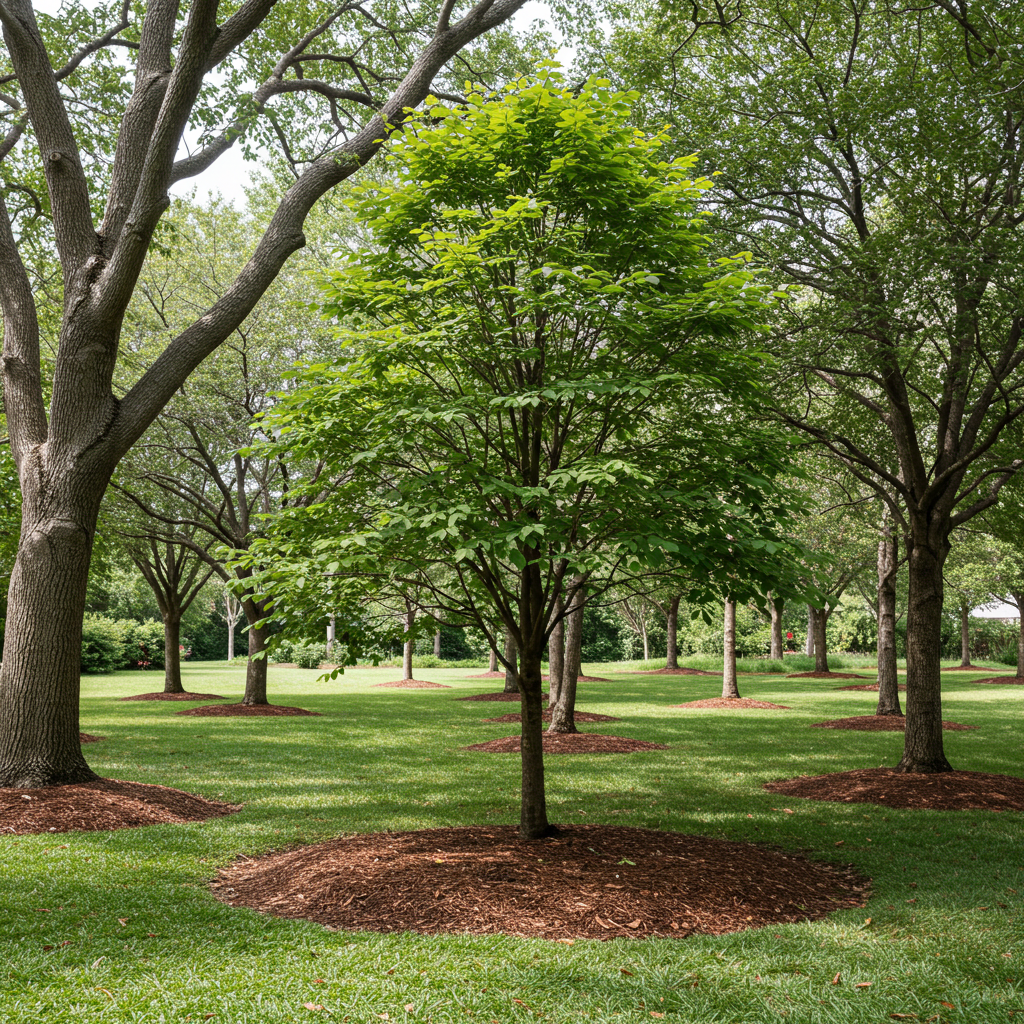
- Apply Organic Mulch: A 2-4 inch layer of organic mulch (like wood chips or pine bark) around the base of your trees is transformative. It conserves soil moisture, moderates soil temperature, suppresses weeds, and as it breaks down, it replenishes organic matter. Keep mulch a few inches away from the tree trunk to prevent moisture buildup and disease.
- Incorporate Organic Matter: Beyond mulching, consider amending planting areas with compost. This directly boosts organic content, improving soil structure, water retention, and nutrient availability. For existing trees, techniques like topdressing with compost or using liquid organic amendments can be beneficial.
- Avoid Soil Compaction: Keep heavy equipment, vehicles, and excessive foot traffic away from your tree's root zone. Roots often extend two to three times the width of the canopy. If compaction is an issue, consider professional aeration or vertical mulching techniques.
- Proper Watering Techniques: Deep, infrequent watering encourages deeper root growth and better drought tolerance. Avoid frequent, shallow watering which leads to surface roots. Ensure efficient drainage to prevent waterlogging.
- Judicious Fertilization: Based on soil test results, apply fertilizers thoughtfully. Over-fertilization can harm trees and pollute stormwater. Opt for slow-release, organic-based fertilizers that feed the soil microbes and provide a steady supply of nutrients, aligning with principles of tree fertilization techniques in Tampa.
- Protect the Root Zone: Be mindful during landscaping projects. Protect the critical root zone from excavation, soil grade changes, and chemical spills. A healthy root system is synonymous with a healthy tree, emphasizing the importance of tree root health in Tampa.
When should you consult professionals for tree soil issues in Tampa?
While many basic soil improvement techniques can be done by homeowners, there are situations where professional expertise becomes invaluable:
- Persistent Tree Decline: If your trees show signs of stress (yellowing leaves, stunted growth, limb dieback) despite your best efforts, a deeper problem may exist in the soil that requires an arborist's diagnosis.
- Complex Soil Conditions: Issues like severe compaction, extreme pH imbalances, high salinity, or widespread nutrient deficiencies might require specialized equipment or treatments beyond the scope of DIY.
- Advanced Soil Testing and Analysis: A certified arborist can conduct more detailed soil tests, including texture analysis, biological assessments, and nutrient profiling, to provide a precise prescription for your trees.
- Deep Root Fertilization: For established trees, especially those showing signs of deficiency, deep root fertilization can deliver nutrients directly to the root zone, bypassing surface competition and maximizing absorption. This is a task best performed by professionals to ensure proper product and application depth.
- Aeration and Vertical Mulching: If your soil is severely compacted, professional services using specialized air spades or augers can alleviate compaction and introduce organic amendments without damaging vital roots.
- Pre-Construction Planning: If you're building or renovating, consulting with an arborist beforehand can help protect existing trees from construction damage to their root systems and prevent future soil-related problems.
- Large or Valuable Trees: For mature, high-value trees, or those in prominent locations, investing in professional soil care ensures their longevity and continued aesthetic contribution.
Don't let subpar soil compromise the beauty and health of your Tampa landscape. By understanding the critical role of soil health and taking proactive steps, you can ensure your trees thrive for years to come. When in doubt, or for complex issues, trust the experts. Tampa Tree Care Specialists offers comprehensive advanced tree care, including expert soil analysis, targeted fertilization, and remediation services designed to address Tampa's unique soil challenges. Our certified arborists are equipped to assess your specific soil conditions and recommend the most effective solutions, safeguarding the health and vitality of your trees. Contact us today for an expert consultation and give your trees the foundation they deserve!
Need Professional Assistance?
Get a free, no-obligation estimate from our expert local team today.