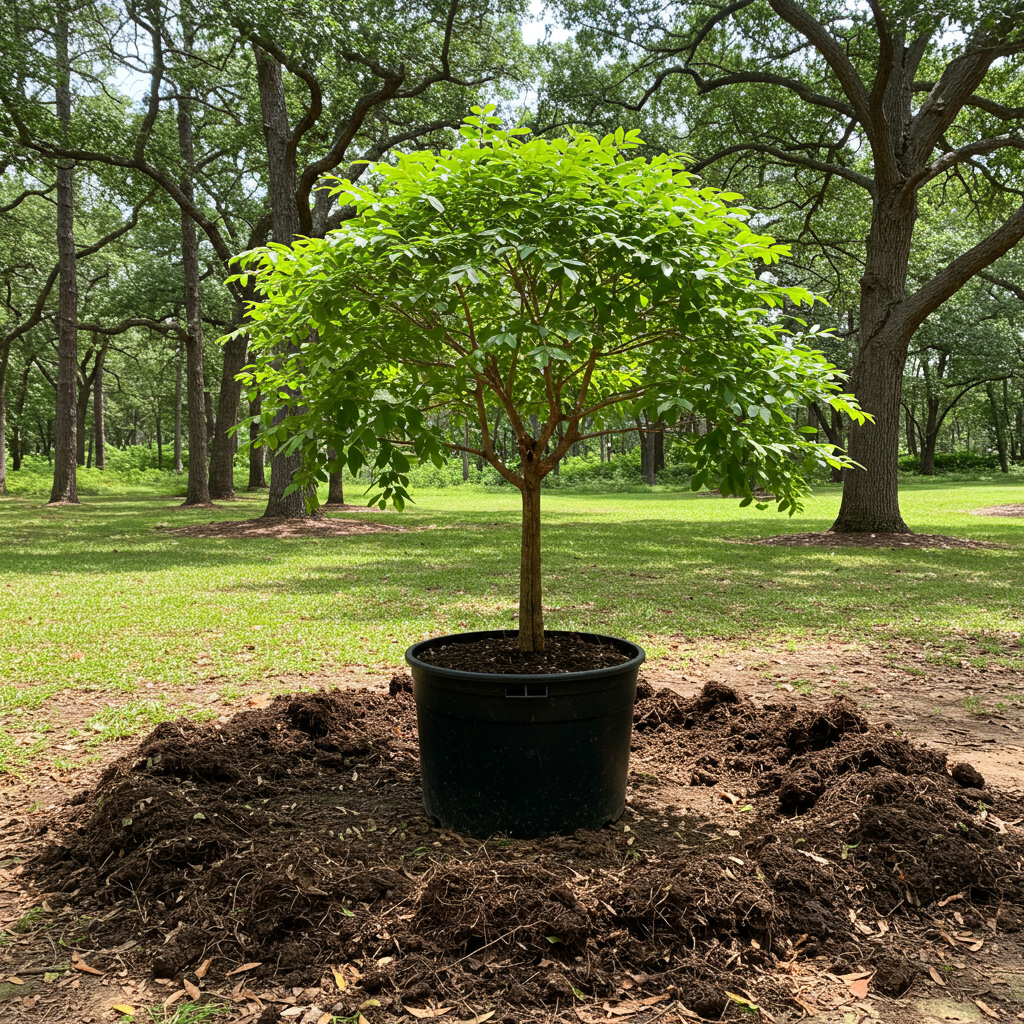
Unlock Thriving Trees: A Tampa Homeowner's Guide to Healthy Soil
Tampa's lush landscape, vibrant with native and exotic flora, belies a hidden challenge for many homeowners: the soil beneath our feet. While the sunshine is abundant, the very ground our trees depend on can present unique obstacles to healthy growth. Understanding and actively improving your soil's condition is not just a gardening tip; it's a foundational step towards cultivating a resilient, thriving tree canopy in the heart of Florida.
How Can I Improve Soil Conditions for My Trees in Tampa?
Improving soil conditions for trees in Tampa involves understanding the region's sandy, often compacted soils and high water tables. Key strategies include incorporating organic matter like compost, ensuring proper drainage, and utilizing appropriate mulching techniques to enhance nutrient availability, moisture retention, and microbial activity, fostering robust root development and overall tree health.
A tree's health begins at its roots, and its roots begin in the soil. In Tampa, our subtropical climate brings specific considerations for soil management. Addressing these proactively can prevent a host of tree problems, from nutrient deficiencies to disease susceptibility.
Why Are Tampa's Soil Conditions Challenging for Trees?
Tampa's unique geological history presents a diverse, often challenging soil profile for trees. While some areas have richer loams, much is sandy and prone to nutrient leaching. Urban development also frequently leads to compaction. Here's a closer look:
- Sandy Composition: Our predominant sandy soils drain quickly, leading to rapid nutrient leaching and low nutrient-holding capacity (CEC).
- Compaction: Urban development causes compaction, restricting water, air, and root penetration, effectively suffocating roots.
- Alkaline pH: Many Tampa soils are alkaline, which can lock up essential micronutrients like iron, causing chlorosis.
- High Water Table: During rainy seasons, high water tables create anaerobic conditions, leading to root stress and decay.
- Nutrient Imbalance: Due to leaching and low organic matter, soils often lack essential nutrients.
Understanding these inherent challenges is the first step toward effective soil management and fostering truly healthy trees.
What Are the Best Ways to Improve Soil Structure and Fertility in Tampa?
Improving Tampa's native soils for tree health is an ongoing process, focusing on enhancing structure, nutrient retention, and microbial life. The good news is that many effective strategies are within reach for homeowners.
1. Incorporate Organic Matter
This is arguably the single most impactful action you can take. Organic matter, such as compost, well-rotted manure, or peat moss, acts as a sponge, improving both water retention in sandy soils and drainage in compacted areas. It also slowly releases nutrients, feeds beneficial soil microbes, and improves soil structure.
- Compost: Apply a 2-4 inch layer of high-quality compost over the root zone, keeping it a few inches away from the tree trunk. Gently work it into the top few inches of existing soil if possible, or allow natural processes to integrate it.
- Compost Tea: For a quick nutrient boost and microbial inoculation, consider applying compost tea, especially for stressed trees.
2. Strategic Mulching
A 2-4 inch layer of organic mulch (like wood chips or pine bark) around the base of your trees offers multiple benefits:
- Moisture Retention: Reduces evaporation, saving water and keeping soil consistently moist.
- Temperature Regulation: Insulates roots from extreme Tampa heat and cold snaps.
- Weed Suppression: Reduces competition for water and nutrients.
- Nutrient Contribution: As it breaks down, mulch adds organic matter and nutrients back into the soil.
- Compaction Prevention: Protects soil from foot traffic and heavy rains.
Remember the "donut, not a volcano" rule: keep mulch a few inches away from the tree trunk to prevent moisture buildup and disease.
3. Soil Testing and pH Adjustment
A professional soil test provides invaluable insights into your soil's specific pH, nutrient levels, and organic matter content. This allows for targeted amendments rather than guesswork.
- pH Adjustment: If your soil is too alkaline, elemental sulfur or iron sulfate can be used to lower pH, making essential nutrients more available. Consult a professional before attempting significant pH adjustments, as over-application can harm trees.
4. Deep Root Fertilization (Professional Service)
While organic matter adds nutrients slowly, established trees, especially those showing signs of stress, can benefit from deep root fertilization. This involves injecting specialized nutrient solutions directly into the root zone, bypassing surface competition and compaction. This is best performed by certified arborists who understand the specific needs of Tampa trees and soil.
How Do Proper Watering and Drainage Impact Tree Health in Tampa Soils?
Water management is critical in Tampa, where periods of drought can quickly be followed by heavy, saturating rains or even tropical systems. Proper watering and ensuring good drainage are paramount for tree health in our challenging soil conditions.
1. Deep and Infrequent Watering
Encourage deep root growth by watering deeply but infrequently, rather than shallowly and often. This means providing enough water to penetrate at least 12-18 inches into the soil. For newly planted trees, consistency is key, but as they establish, train their roots to seek water deeper.
- Monitor Soil Moisture: Before watering, check the soil moisture manually. Stick your finger 2-3 inches deep; if it feels dry, it's time to water.
- Soaker Hoses/Drip Irrigation: These methods deliver water directly to the root zone slowly, minimizing runoff and evaporation, and are highly efficient.
2. Addressing Drainage Issues
Poor drainage is a silent killer for many trees, especially in areas with a high water table or compacted soils. Roots need oxygen to survive, and waterlogged conditions deprive them of it, leading to root rot.
- Observe Water Pooling: If water consistently pools around the base of your tree after rain, you likely have a drainage problem.
- Raised Beds: For new plantings in poorly draining areas, consider creating a raised bed to elevate the root ball above the saturated zone. This improves aeration and drainage.
- French Drains/Perforated Pipes: For severe site-wide drainage issues, professional installation of French drains or similar solutions might be necessary to divert excess water away from tree root zones.
3. Avoiding Overwatering
Just as critical as providing enough water is avoiding too much. Signs of overwatering often mimic drought symptoms (wilting, yellowing leaves) because the roots are effectively suffocating. Always assess soil moisture before watering.
When Should I Seek Professional Help for My Tampa Tree Soil Issues?
While many basic soil improvement techniques can be done by homeowners, there are times when the expertise of a professional arborist or tree care specialist is invaluable. Recognizing these situations can save your trees and your investment.
- Persistent Tree Decline: If your tree is showing signs of stress (stunted growth, yellowing leaves, premature leaf drop, dead branches) despite your best efforts at soil improvement, a professional diagnosis is crucial. An arborist can identify underlying issues that might not be obvious, including complex soil chemistry problems, pest infestations, or diseases often linked to weakened trees from poor soil.
- Advanced Soil Testing and Interpretation: While DIY soil test kits offer basic information, a professional can conduct more comprehensive tests and, more importantly, interpret the results specific to tree health and recommend precise amendments tailored to your unique Tampa landscape.
- Large Tree Care: Managing soil health for mature, large trees requires specialized knowledge and equipment, especially for services like deep root fertilization or aeration. Improper techniques can damage delicate root systems.
- Construction Impact: If your property has undergone recent construction, soil compaction is almost guaranteed. An arborist can assess the damage and implement strategies like radial trenching or air spading to decompact soil and restore root health without harming the tree.
- New Tree Planting: For significant tree planting projects, especially for specimen trees, consulting with a tree care specialist ensures that the soil is properly prepared from the outset, giving your new tree the best chance for successful establishment and long-term health in Tampa's climate.
- Complex Drainage Problems: If you're dealing with severe, recurring waterlogging issues that simple solutions haven't resolved, a professional can design and implement effective drainage systems that protect your trees.
Entrusting your tree's health to experts like Tampa Tree Care Specialists ensures that your soil issues are addressed with scientific understanding and practical experience. Our certified arborists are equipped to diagnose complex soil problems, recommend appropriate solutions, and implement treatments that promote long-term vitality for your trees, contributing to a healthier, more beautiful Tampa landscape for years to come.
Need Professional Assistance?
Get a free, no-obligation estimate from our expert local team today.