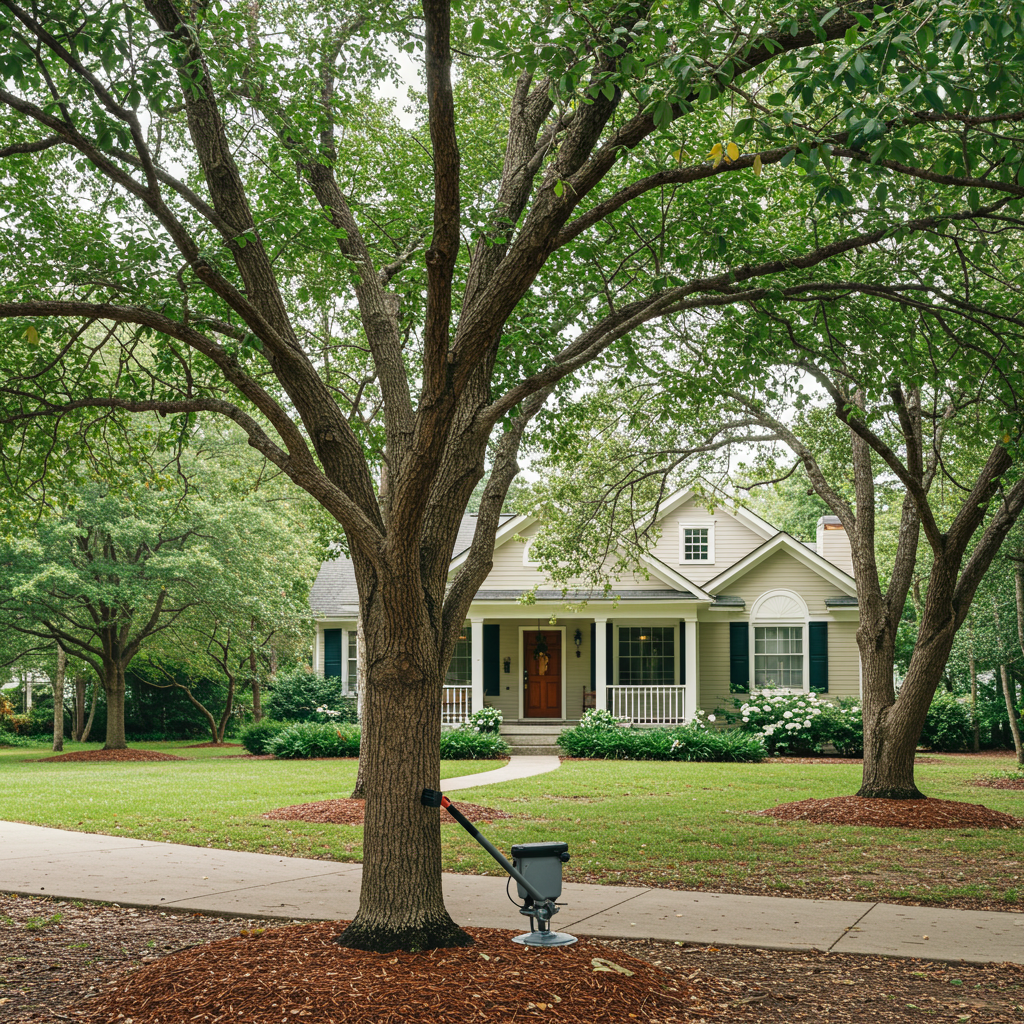
Beat the Heat: Preventing Common Tree Stressors for Thriving Trees in Tampa
What are the most common tree stressors in Tampa's climate?
Tampa's subtropical climate, while beautiful, presents a unique set of challenges for trees. Understanding these common stressors is the first step in effective prevention. Local trees contend with intense sun exposure, high humidity, sandy soils, and the occasional severe weather event. These factors can collectively weaken a tree's defenses, making it susceptible to further issues.
- Heat and Drought Stress: Prolonged periods of high temperatures and insufficient rainfall can cause significant stress. Trees may exhibit wilting, leaf scorch, premature leaf drop, or stunted growth as they struggle to transpire efficiently and absorb enough water.
- Nutrient Deficiencies: Tampa's sandy soils often drain quickly and are naturally low in essential nutrients. Without proper fertilization, trees can become chlorotic (yellowing leaves), exhibit slow growth, or have weakened immune systems.
- Pest Infestations: Stressed trees are more vulnerable to pests like aphids, scales, borers, and mites. These pests can feed on sap, tunnel into wood, or defoliate trees, further compromising their health.
- Fungal and Bacterial Diseases: High humidity, combined with wounds or existing stress, creates an ideal environment for diseases such as root rot, cankers, and various leaf spots. These can lead to decay, branch dieback, and even tree mortality.
- Root Damage: Construction activities, soil compaction from heavy foot traffic or vehicles, and improper planting techniques can severely damage a tree's root system, limiting its ability to absorb water and nutrients.
- Improper Pruning: Incorrect pruning methods, such as topping or indiscriminate cutting, create large wounds, expose inner wood to disease, and encourage weak, rapid regrowth that is prone to breakage.
By recognizing these common culprits, Tampa homeowners can better prepare their trees for the rigors of our local environment.
How does proper watering prevent tree stress in Tampa?
Water is the lifeblood of any tree, and in Tampa's often dry and hot conditions, proper watering is paramount for stress prevention. It's not just about providing water, but providing it correctly to encourage deep, resilient root systems.
- Deep and Infrequent Watering: Instead of frequent, shallow watering, aim for deep saturation. This encourages roots to grow deeper into the soil, seeking moisture, which makes the tree more drought-tolerant. A good rule of thumb is to water until the top 12-18 inches of soil are moist.
- Consistency is Key: While the frequency will depend on the tree species, soil type, and current weather, maintaining a consistent watering schedule is vital, especially during dry spells. Young trees need more frequent watering than established ones.
- Water at the Right Time: The best time to water is in the early morning. This minimizes water loss due to evaporation and allows the tree to absorb moisture before the midday heat, reducing the risk of fungal growth that can occur if leaves stay wet overnight.
- Utilize Mulch: A 2-4 inch layer of organic mulch (like wood chips) around the base of the tree (keeping it a few inches away from the trunk) significantly helps conserve soil moisture, regulate soil temperature, and reduce weed competition. This creates a more stable root environment, directly preventing stress from fluctuating conditions.
- Assess Soil Moisture: Don't just water by the calendar. Use a moisture meter or simply feel the soil a few inches down. If it feels dry, it's time to water. Overwatering can be just as detrimental as underwatering, leading to root rot.
By adopting these watering practices, you can dramatically improve your tree's ability to withstand Tampa's heat and dry spells, maintaining its vitality and preventing stress.
Why is soil health crucial for preventing tree stress in Tampa?
The foundation of a healthy tree lies beneath the surface – in its soil. In Tampa, where sandy soils are prevalent, understanding and improving soil health is a critical preventative measure against tree stress. Healthy soil provides the necessary anchorage, water, and nutrients that trees need to flourish.
- Combatting Soil Compaction: Urban environments, construction, and even regular foot traffic can compact soil, reducing pore spaces essential for air and water circulation. This chokes roots, preventing them from absorbing water and nutrients. Aeration techniques or creating designated root zones can alleviate compaction.
- Nutrient Availability and pH Balance: Sandy soils often have low organic matter, leading to poor nutrient retention and a tendency for nutrients to leach away. Regularly testing your soil's pH and nutrient levels allows for targeted amendments. Many Tampa soils are acidic, and some trees prefer a more neutral pH. Adjusting pH to the optimal range for your specific tree species ensures nutrients are available for uptake.
- Boosting Organic Matter: Incorporating organic matter, such as compost or well-rotted manure, improves soil structure, enhances water retention, and provides a slow-release source of nutrients. It also fosters a healthy microbial ecosystem, which is vital for nutrient cycling and disease suppression.
- Drainage and Aeration: While sandy soils typically drain well, areas with high clay content or severe compaction can suffer from poor drainage, leading to waterlogged conditions and root rot. Conversely, excessively rapid drainage in pure sand means nutrients and water are lost too quickly. Proper soil management aims for a balance that supports healthy root respiration and nutrient delivery.
Investing in soil health directly translates to stronger, more resilient trees that are less susceptible to environmental stressors, pests, and diseases prevalent in Tampa.
What role does appropriate planting and pruning play in stress prevention for Tampa trees?
Beyond daily care, the initial planting and ongoing structural maintenance through pruning are fundamental long-term strategies for preventing tree stress. These practices directly influence a tree's structural integrity, health, and ability to adapt to its environment.
Strategic Planting for Resilience:
- Right Tree, Right Place: This adage is especially true in Tampa. Choosing tree species that are well-suited to our climate, soil, and available space prevents a host of future problems. Consider mature size, sunlight requirements, and drought tolerance.
- Proper Planting Depth: Plant trees so that the root flare (the point where the trunk widens at the base) is visible at or slightly above soil level. Planting too deep can lead to root suffocation, girdling roots, and susceptibility to disease.
- Adequate Spacing: Give trees enough room to grow to their mature size without competing with buildings, other trees, or utility lines. This prevents overcrowding, which can lead to poor air circulation and increased disease risk.
- Initial Watering and Care: Proper watering immediately after planting and consistent care during the establishment period (typically 1-3 years) are crucial for the tree to develop a strong root system, preventing transplant shock and setting it up for long-term health.
Preventative Pruning Techniques:
- Structural Pruning: Young trees benefit immensely from structural pruning, which establishes a strong central leader and well-spaced, sturdy scaffold branches. This prevents future structural weaknesses that could lead to limb failure during storms, a common concern in Tampa.
- Removing Dead, Diseased, or Damaged Limbs: Regularly inspecting and promptly removing compromised branches eliminates potential entry points for pests and diseases, and reduces hazards. This is especially important after storm events.
- Thinning for Air Circulation: Selectively removing interior branches can improve air circulation within the canopy. This reduces humidity levels around leaves and branches, which helps prevent the spread of fungal diseases common in Tampa's moist climate.
- Avoiding Topping: Topping (cutting back large branches to stubs) is a harmful practice that creates numerous weak, rapidly growing sprouts, making the tree more susceptible to disease, decay, and breakage. Always opt for proper thinning cuts.
By implementing these thoughtful planting and pruning strategies, you actively build a tree's resistance to stressors, ensuring its longevity and structural integrity.
When should Tampa homeowners seek professional help for tree stress?
While preventative care goes a long way, some tree stress issues are beyond the scope of DIY solutions. Knowing when to call in the experts can be the difference between saving a stressed tree and losing it entirely. Tampa Tree Care Specialists are equipped with the knowledge and tools to diagnose complex problems and implement effective solutions.
- Rapid Decline or Unexplained Symptoms: If your tree's health rapidly deteriorates, or if you observe unusual symptoms like sudden leaf discoloration, extensive branch dieback, or the presence of strange growths (fungal conks), it's time for a professional assessment.
- Severe Pest or Disease Outbreaks: While minor pest issues might be manageable, a widespread infestation or a suspected serious disease requires an arborist's expertise for accurate identification and treatment. They can recommend appropriate, localized treatments to protect your tree and surrounding vegetation.
- Structural Concerns: Cracks in the trunk or major limbs, significant leaning, large dead branches, or signs of internal decay (like hollows or soft spots) indicate serious structural issues. These not only stress the tree but also pose significant safety risks to property and people. An arborist can perform a risk assessment and recommend cabling, bracing, or removal if necessary.
- Girdling Roots: Roots that encircle the trunk or other roots can slowly strangle a tree, leading to decline. These are often hidden underground and require an arborist to diagnose and carefully remove.
- Post-Storm Damage: After severe weather, trees may suffer hidden damage that needs expert evaluation. An arborist can identify compromised limbs or structural weaknesses before they become a hazard.
- Planning for New Trees: Before planting, consulting with a certified arborist from Tampa Tree Care Specialists can ensure you select the best species for your site and that planting is done correctly, preventing future stress.
Don't wait until it's too late. Proactive consultation with a certified arborist from Tampa Tree Care Specialists can identify early signs of stress and implement targeted interventions, saving your trees and safeguarding your property. Our team brings expert knowledge of Tampa's specific environmental conditions and tree care best practices to ensure your trees remain healthy and vibrant for years to come.
Need Professional Assistance?
Get a free, no-obligation estimate from our expert local team today.