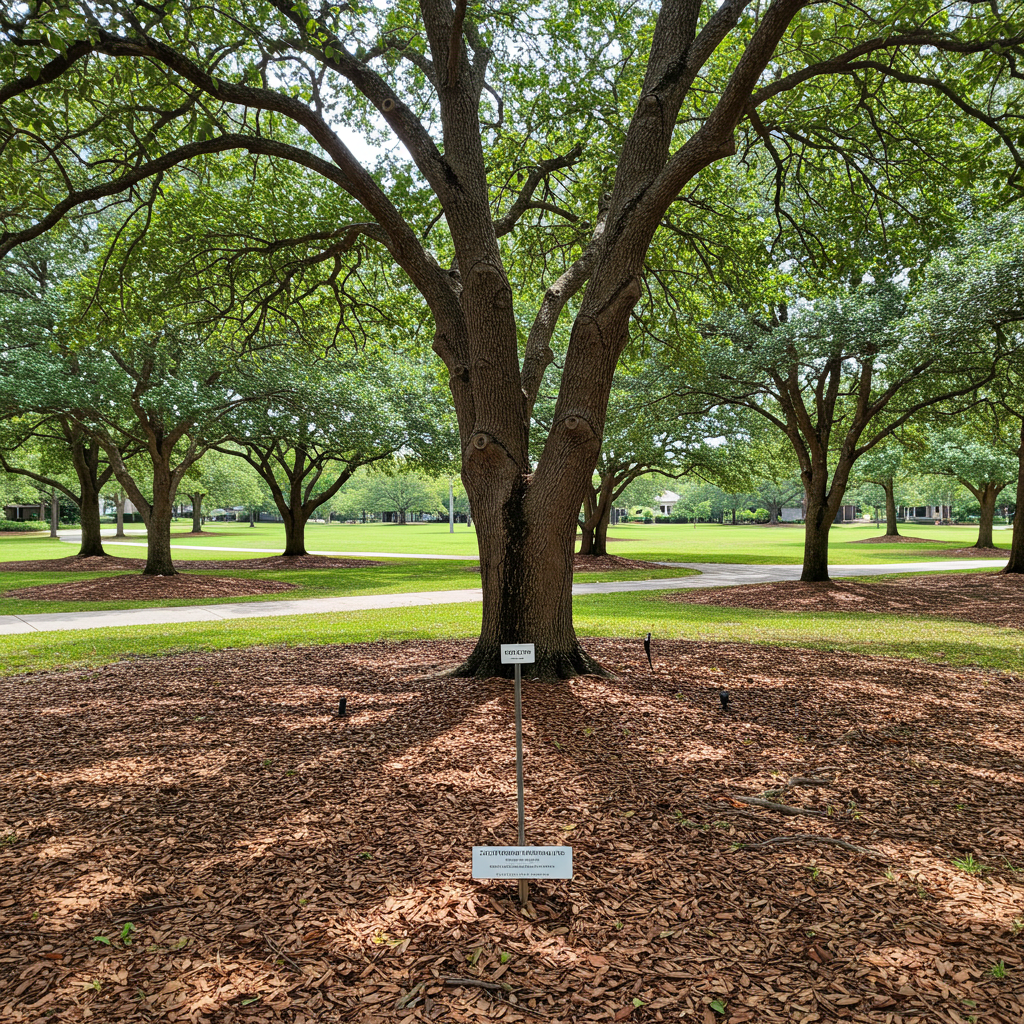
Safeguard Your Landscape: Identifying Early Tree Stress Signs in Tampa
In the vibrant environment of Tampa, Florida, trees are not just part of the scenery; they are vital components of our ecosystem, contributing to shade, air quality, and property value. However, even the most resilient trees can fall victim to various stressors, from pests and diseases to environmental fluctuations and improper care. Recognizing the early tree stress signs in your Tampa landscape is paramount to preventing irreversible damage and ensuring the longevity of your green investments. This guide will help you understand what to look for and when to call in the professionals for expert tree health assessment in Tampa.
Why Are My Tampa Tree's Leaves Looking Strange?
Your tree's foliage is often the first and most visible indicator of its overall health. Changes in leaf appearance can signal a variety of underlying issues. Observing these changes closely can provide critical clues about your tree's condition:
- Discoloration: Leaves that turn yellow (chlorosis), brown, or develop unusual spots prematurely are clear indicators of stress. Yellowing might suggest nutrient deficiencies (especially iron or magnesium), overwatering, or root damage. Browning can point to drought stress, fungal diseases, or even chemical burns. Spots often signify a fungal or bacterial infection.
- Wilting or Drooping: If leaves appear to be wilting or drooping, especially during cooler parts of the day, your tree might not be getting enough water, or its vascular system could be compromised by disease or root rot. Conversely, excessively heavy rain can also lead to temporary wilting as roots struggle to absorb oxygen.
- Premature Leaf Drop: While deciduous trees naturally shed leaves in autumn, evergreen trees dropping a significant number of leaves outside their typical cycle, or deciduous trees losing leaves in spring or summer, is a major red flag. This can be caused by severe drought, pest infestation, or disease.
- Stunted or Misshapen Leaves: New leaves that are significantly smaller than usual, curled, puckered, or otherwise deformed can indicate insect activity (like aphids or mites), viral diseases, or nutrient imbalances.
- Insect Damage: Holes, chewed edges, sticky residue (honeydew), or visible insect pests on leaves or stems are obvious signs of infestation. Early detection of pests is key to preventing widespread damage and tree decline.
Regularly inspecting your trees' leaves, ideally weekly during growing seasons, allows you to catch these subtle changes before they escalate into major problems. Understanding normal leaf cycles for the specific tree species on your property is also crucial for accurate assessment.
What Do Bark Changes Mean for Tree Health in Tampa?
The bark of a tree acts as its protective skin, and any significant changes can point to deep-seated issues that require early tree care in Tampa. Don't overlook these trunk and branch indicators:
- Cracks or Splits: While some trees naturally develop deep furrows in their bark as they mature, new or expanding vertical cracks or splits can be a sign of environmental stress, such as rapid temperature fluctuations (frost cracks) or internal pressure from fast growth without adequate water.
- Peeling or Flaking (Unusual): While some trees naturally shed bark, excessive or unusual peeling, especially exposing soft inner wood, can indicate fungal infections (cankers), pest infestations (like bark beetles), or severe environmental stress.
- Discoloration or Lesions: Dark, sunken areas (cankers), oozing sap, or abnormal growths on the bark are often signs of bacterial or fungal infections. The color and consistency of any ooze can provide further clues.
- Holes or Tunnels: Small, perfectly round holes, D-shaped exit holes, or winding tunnels underneath loose bark are definitive signs of boring insects. These pests can girdle and kill a tree by disrupting its vascular system.
- Fungal Growths: Mushrooms, conks, or other fungal bodies emerging from the trunk or major branches often indicate advanced internal decay. While the fungi themselves may not be the primary problem, their presence confirms rot within the tree.
Examining the tree's trunk and major branches from all sides can reveal these critical signs. Remember, healthy bark is generally uniform for its species, without excessive damage or unnatural growths.
Are My Tampa Trees Growing Slowly or Unevenly?
A tree's growth pattern and overall structure can also provide valuable insights into its health. Deviations from normal growth might signal chronic stress or nutrient issues:
- Stunted Growth: If your tree isn't growing as quickly as expected for its species and age, or if new shoots are significantly shorter, it might be experiencing nutrient deficiencies, root issues, or chronic stress from environmental factors.
- Dieback of Twigs or Branches: The death of small twigs or entire branches, starting from the tips and progressing inward, is known as dieback. This is a common symptom of drought stress, root damage, vascular diseases (like Fusarium wilt), or severe insect infestations.
- Unusual Branching Patterns: While some trees have unique growth habits, any sudden proliferation of weak, twiggy shoots (often called 'witches' broom') or a sparse canopy can indicate stress. Excessive vertical shoots (water sprouts) along the trunk or major branches, especially after pruning, can also point to underlying stress.
- Lean or Instability: A tree developing a significant lean, especially if it was previously upright, can indicate root damage, soil instability, or internal decay compromising its structural integrity. This is a serious concern, as it can lead to tree failure.
- Poor Wound Healing: Trees naturally compartmentalize wounds to prevent decay. If a wound (from pruning, storm damage, or injury) is not healing properly, or if rot is visibly spreading, it indicates a weakened tree unable to mount an effective defense.
Regularly assessing the tree's canopy and overall structure can help you identify these patterns early. Comparing its growth to similar trees in similar conditions can provide a good benchmark.
How Can Root Zone Issues Affect My Tampa Tree's Health?
Beneath the surface, the root system is the lifeblood of your tree, responsible for anchoring it and absorbing water and nutrients. Problems here are often invisible but can manifest as severe tree stress signs Tampa residents need to be aware of:
- Girdling Roots: Roots that encircle the trunk or other roots can slowly choke off the flow of water and nutrients, leading to a gradual decline in the tree's health, stunted growth, and canopy thinning. These are often hidden but can sometimes be seen near the soil line.
- Soil Compaction: Heavy foot traffic, construction, or vehicle parking around a tree's base can compact the soil, making it difficult for roots to access oxygen, water, and nutrients. Symptoms include overall decline, smaller leaves, and reduced growth.
- Improper Drainage: Both excessively wet and excessively dry soil conditions can severely stress a tree's root system. Waterlogged soil deprives roots of oxygen, leading to root rot. Drought-stressed roots cannot absorb enough water, causing wilting and dieback.
- Root Damage: Construction activities, digging, or even severe storms can damage a tree's root system. Since roots are out of sight, this damage might go unnoticed until symptoms appear in the canopy or trunk.
- Nutrient Deficiencies: While some deficiencies show up in leaves, the root system's ability to absorb these nutrients is key. Poor soil quality, pH imbalances, or damaged roots can lead to widespread nutrient deficiencies.
While you can't see the roots directly, understanding the environment around the tree – its soil, drainage, and past disturbances – can help diagnose potential root zone issues. Observing the general health of surrounding plants can also offer clues about soil conditions.
When to Call a Professional Arborist in Tampa
Recognizing these early tree stress signs is the first step, but interpreting them and providing the correct intervention often requires the expertise of a professional arborist in Tampa. While some issues might be resolved with minor adjustments to watering or fertilization, many require a deeper understanding of tree biology, pest management, and disease pathology.
Ignoring these warnings can lead to:
- Irreversible Damage: Many tree diseases and pest infestations become untreatable if not addressed early.
- Increased Costs: Minor problems that could be managed with early tree care can escalate into expensive removal projects if neglected.
- Safety Hazards: Stressed or dying trees are more prone to structural failure, posing significant risks to property and people.
- Loss of Property Value: Healthy, well-maintained trees significantly enhance curb appeal and property value; neglected trees can detract from it.
If you observe any of the severe or persistent stress signs mentioned, or if you're unsure about the health of your trees, it's always best to consult with certified professionals. Tampa Tree Care Specialists offer comprehensive tree health assessment services. Our experienced arborists can accurately diagnose the problem, recommend appropriate treatments, and implement effective solutions to restore your trees to optimal health. Don't let hidden stressors compromise your landscape's beauty and safety. Contact Tampa Tree Care Specialists today for a professional evaluation and ensure your trees receive the best possible care for a thriving, beautiful property.
Need Professional Assistance?
Get a free, no-obligation estimate from our expert local team today.