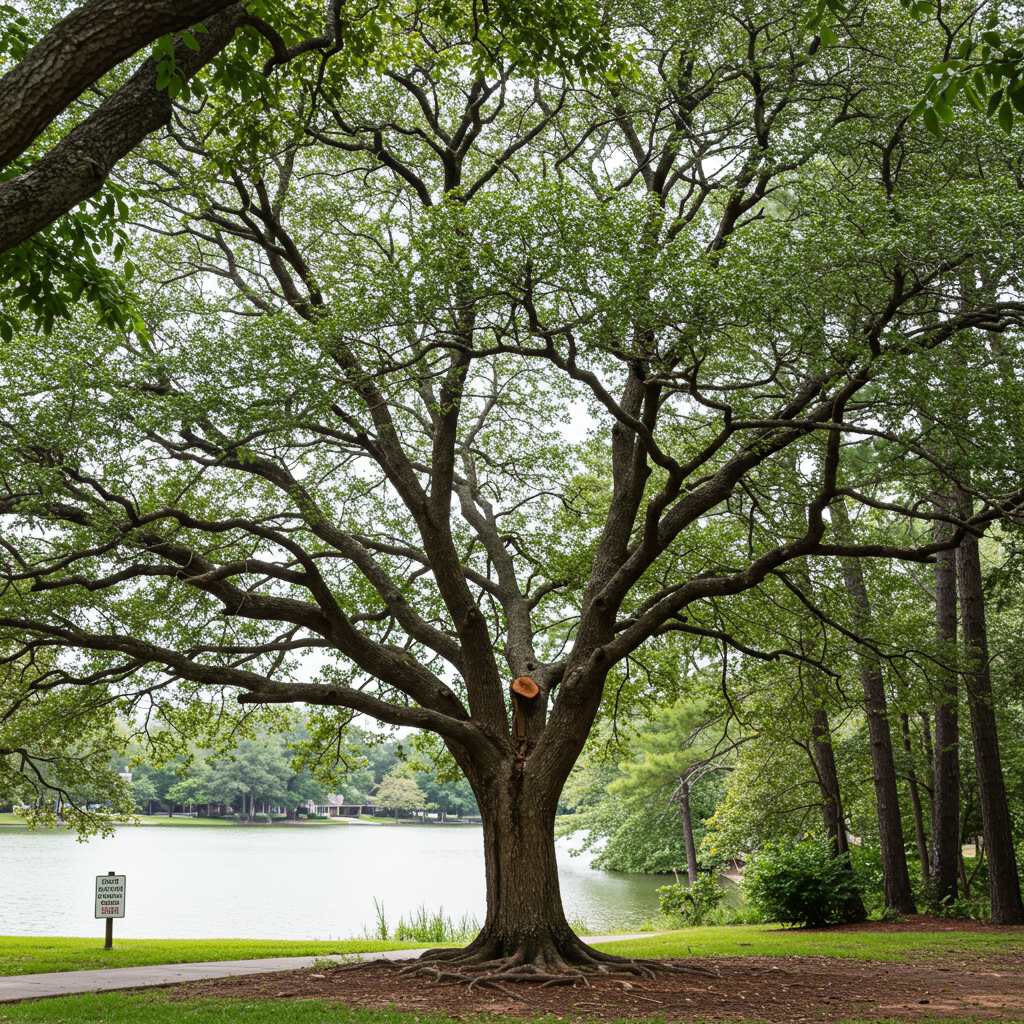
Unlocking Your Tampa Tree's Secrets: Early Signs of Trouble You Can't Afford to Miss
Living in beautiful Tampa, Florida, we are fortunate to be surrounded by lush greenery, including magnificent trees that enhance our properties and provide essential shade. However, beneath the vibrant canopy, your trees are constantly communicating their health status. Many tree problems start subtly, often overlooked until they escalate into serious, expensive, or even dangerous issues. Learning to interpret these understated warnings is a crucial aspect of proactive tree care. By spotting the early, less obvious signs of distress, Tampa homeowners can intervene swiftly, potentially saving their trees and avoiding significant property damage.
What Subtle Leaf Changes Indicate Stress in Tampa Trees?
The leaves are often the first part of a tree to show signs of distress, acting like tiny barometers of overall tree health. While seasonal changes are normal, unexpected alterations in your tree's foliage warrant closer inspection for early tree disease detection.
- Minor Leaf Discoloration: Beyond typical yellowing, subtle signs can include a pale green hue, a bronze tint, or even mottled patterns. These may indicate nutrient deficiencies common in Tampa's sandy soils, root issues affecting nutrient uptake, or the very first stages of a fungal or bacterial infection.
- Premature Leaf Drop: If you observe individual leaves falling outside of their normal shedding cycle, especially during the growing season, it's a red flag. This can signal severe drought stress, critical root damage, or a burgeoning pest infestation that is siphoning resources from the tree.
- Wilting or Drooping Leaves: Leaves that consistently appear wilted, limp, or droopy, even after recent rainfall or irrigation, suggest significant issues with water absorption. This could be due to root rot, vascular diseases prevalent in our humid climate, or severe stress on the root system.
- Unusual Leaf Size or Shape: New growth that appears significantly smaller, malformed, or distorted compared to healthy, established leaves could indicate nutrient deficiencies, pest damage (e.g., from mites or aphids), or viral infections hindering proper development.
- Leaf Spots or Lesions: Small, discolored spots, bumps, or raised lesions on leaves are often early indicators of fungal infections (which thrive in Tampa's humidity) or early insect feeding damage. These can quickly spread and weaken the tree if not addressed.
Are Minor Bark Cracks or Fungal Growths Always a Concern for Tampa Homeowners?
The bark is a tree's protective shield, and any changes to its integrity can signal deep-seated problems. Similarly, certain fungal appearances are not just aesthetic issues but direct warnings of internal decay.
- Sudden or Expanding Bark Cracks/Splits: While some trees naturally develop fissures as they age, sudden, vertical cracks or splits in the bark, especially on younger trees, can indicate internal decay, sunscald, or severe stress from environmental factors. Peeling bark, when not characteristic of the tree species, might signal pest entry or disease.
- Fungal Fruiting Bodies (Mushrooms/Conks): The appearance of mushrooms, shelf fungi, or conks at the base of the tree or on the trunk is a critical warning. These are the visible reproductive structures of wood-decaying fungi. Even small, seemingly innocuous growths can signify extensive internal decay within the tree's heartwood, severely compromising its structural integrity. This is a significant safety concern for any tree in a storm-prone area like Tampa.
- Cankers or Abnormal Swellings: Localized sunken areas (cankers) or abnormal swellings on branches or the trunk often point to disease infections or previous injury sites that have become infected. These can significantly weaken the branch structure and provide entry points for pests and pathogens.
- Excessive Sap or Resin Flow: Persistent or excessive sap oozing from the bark, especially when accompanied by discoloration or insect activity (like sawdust-like frass), is a clear distress signal. It could mean borers are tunneling beneath the bark, or the tree is attempting to
Need Professional Assistance?
Get a free, no-obligation estimate from our expert local team today.