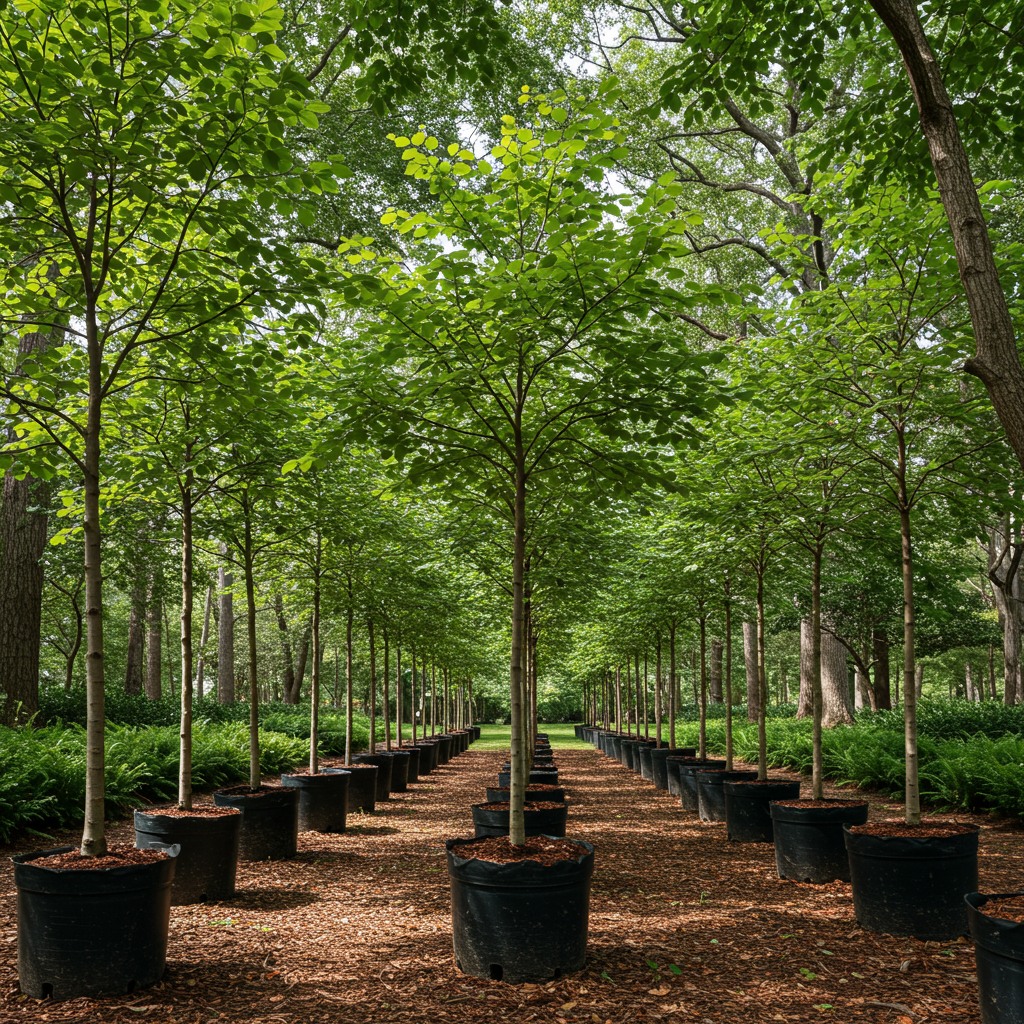
Transplant Your Trees Successfully in Tampa: A Comprehensive Guide
Why is Proper Tree Transplanting Crucial for Tampa Landscapes?
Moving a tree from one location to another, known as tree transplanting, is a significant undertaking that requires careful planning and execution, especially in Tampa's unique subtropical environment. The success of this process hinges on minimizing stress to the tree, which is essential for its long-term health and survival. When done incorrectly, transplanting can lead to tree shock, stunted growth, disease susceptibility, or even tree death. For homeowners and commercial property managers in Tampa, understanding the importance of proper tree relocation safeguards their investment in landscaping and contributes to the overall aesthetic and ecological health of their property.
Tampa's climate presents specific challenges: intense heat, frequent humidity, and sandy soils. These factors mean trees need all the help they can get to establish new root systems. A well-executed tree transplant ensures the root ball remains intact, critical feeder roots are preserved, and the tree has the best chance to acclimate to its new site. This directly impacts the tree's ability to provide shade, improve air quality, and enhance property value. Neglecting proper techniques means risking a beloved tree and potentially incurring additional costs for removal and replacement later on. It’s not just about moving a tree; it’s about giving it a new lease on life in its new home.
What Are the Key Steps for Successful Tree Relocation in Tampa?
Successfully relocating a tree in Tampa involves several critical stages, each demanding meticulous attention to detail. This systematic approach significantly increases the chances of your tree thriving post-transplant.
- Site Selection and Preparation:
- New Location Assessment: Choose a new site that meets the tree's specific needs for sunlight, soil type, and drainage. Consider the tree's mature size to avoid future conflicts with structures or power lines.
- Soil Amendment: In Tampa's often sandy soils, amending the new planting hole with organic matter can improve water retention and nutrient availability.
- Pre-Digging: Dig the new planting hole before moving the tree. It should be two to three times wider than the root ball and only as deep as the root ball, ensuring the tree isn't planted too deep.
- Root Preparation (Root Pruning):
- For larger, established trees, root pruning several months to a year before the actual transplant can encourage the development of new feeder roots closer to the trunk, making the tree more resilient to relocation. This involves cutting a circular trench around the tree to encourage a compact root ball.
- Excavating the Tree:
- Timing is Key: As mentioned, late fall to early spring is ideal. Water the tree thoroughly a few days before digging to hydrate the roots.
- Root Ball Size: Carefully dig around the tree, ensuring the root ball is large enough to support the tree (generally 10-12 inches in diameter for every inch of trunk diameter, measured 6 inches above the ground). The root ball should be kept intact as much as possible.
- Wrapping the Root Ball: Once freed, the root ball should be immediately wrapped in burlap or a specialized root ball fabric, secured tightly with twine or rope. This protects the delicate roots and prevents the soil from disintegrating during transport.
- Transport and Placement:
- Careful Handling: Lift and transport the tree by the root ball, not the trunk. Use appropriate equipment (e.g., a hand truck, dolly, or machinery for larger trees) to minimize physical stress.
- Correct Planting Depth: Place the tree in the new hole so that the root flare (where the trunk widens at the base) is visible at or slightly above ground level. Planting too deep is a common mistake that can lead to suffocating roots.
- Backfilling: Backfill the hole with the original soil, gently tamping to remove large air pockets. Avoid heavy compaction.
- Watering In: Water thoroughly after planting to settle the soil around the roots and eliminate any remaining air pockets.
Each of these steps is crucial for the tree's immediate survival and long-term health in its new Tampa home. Skipping steps or performing them incorrectly can severely jeopardize the tree's chances.
How Do You Care for a Newly Transplanted Tree in Tampa's Climate?
Post-transplant care is paramount, especially when moving trees within Tampa's challenging subtropical climate. The first year, known as the establishment period, is critical for the tree to develop a robust root system in its new location. Consistent and correct aftercare will determine its survival and future vigor.
- Consistent Watering:
- This is arguably the most vital factor. Newly transplanted trees require frequent, deep watering, particularly during Tampa's dry spells and hot periods. The goal is to keep the root ball consistently moist, but not waterlogged. Check the soil moisture regularly by hand – if the top few inches are dry, it’s time to water. Reduce frequency as the tree establishes, but continue supplemental watering for at least the first two years.
- Mulching:
- Apply a 2-4 inch layer of organic mulch (like wood chips or pine bark) over the root zone, extending out to the drip line. Keep mulch a few inches away from the trunk to prevent moisture buildup and disease. Mulch helps conserve soil moisture, regulates soil temperature, suppresses weeds (which compete for water and nutrients), and gradually enriches the soil as it decomposes.
- Staking (If Necessary):
- Only stake trees if absolutely necessary, such as in very windy locations or if the tree is top-heavy and unstable. If staking, use broad, flexible ties that won't girdle the trunk, and remove stakes after one growing season once the tree has established enough root support. Improper or prolonged staking can hinder the tree's natural trunk strengthening.
- Pruning (Minimal):
- Limit pruning to removing only dead, damaged, or crossing branches immediately after transplanting. Avoid extensive canopy reduction, as the tree needs its leaves for photosynthesis to produce energy for root growth. Once established, follow standard structural pruning practices.
- Pest and Disease Monitoring:
- Stressed trees are more susceptible to pests and diseases. Regularly inspect your newly transplanted tree for any signs of trouble, such as discolored leaves, unusual growths, or insect activity. Early detection and intervention are crucial.
- Fertilization (Delay):
- Avoid fertilizing immediately after transplanting. The tree's priority is root establishment, not vigorous shoot growth. Introducing fertilizers too soon can burn new roots. Wait until the tree shows signs of new growth, typically after the first year, before considering a slow-release, balanced fertilizer appropriate for its species.
By diligently following these aftercare guidelines, your transplanted tree in Tampa will have the best possible chance to flourish and become a valued part of your landscape for years to come.
When Should You Consider Professional Tree Transplanting Services in Tampa?
While DIY tree planting is feasible for small saplings, larger or more established trees present a level of complexity and risk that often warrants professional intervention. For Tampa residents, knowing when to call in the experts can save time, prevent costly mistakes, and ensure the successful relocation of valuable trees.
You should strongly consider professional tree transplanting services from a reputable company like Tampa Tree Care Specialists if:
- The Tree is Large or Mature: Trees with trunk diameters exceeding 3-4 inches or significant height require specialized equipment (e.g., tree spades, heavy machinery) and expertise to move safely and effectively. The root ball alone can weigh hundreds or even thousands of pounds.
- Difficult Access or Limited Space: If the tree is located in a tight spot, near structures, or on uneven terrain, professional arborists have the experience and tools to navigate these challenges without damaging the tree or surrounding property.
- Valuable or Sentimental Trees: For trees that hold significant monetary value (e.g., rare species) or sentimental importance, the risk of failure with DIY methods is too high. Professionals offer the highest chance of success.
- Complex Root Systems: Some tree species have expansive or delicate root systems that require expert assessment and handling to ensure their viability during relocation.
- Lack of Proper Equipment: Transplanting even moderately sized trees requires heavy-duty digging tools, lifting aids, and transport mechanisms that most homeowners don't possess. Attempting to move a large tree manually can lead to personal injury or severe damage to the tree.
- Ensuring Tree Health and Survival: Professional tree care services, such as those offered by Tampa Tree Care Specialists, have certified arborists who understand tree physiology, local soil conditions, and the specific stressors of transplanting. They can accurately assess the tree's health, determine the best transplanting strategy, and provide comprehensive aftercare advice. Their expertise significantly increases the tree's survival rate and promotes robust establishment.
- Safety Concerns: Moving large, heavy objects, especially living trees, can be dangerous. Professionals are trained in safety protocols and possess the necessary insurance to protect themselves and your property.
Entrusting your tree relocation to Tampa Tree Care Specialists means benefiting from years of local experience, specialized equipment, and certified arboricultural knowledge. Our team is equipped to handle everything from meticulous planning and safe execution to ensuring your transplanted tree thrives in its new Tampa home. Contact us today for a consultation and let our experts give your trees the best chance at a successful new beginning.
Need Professional Assistance?
Get a free, no-obligation estimate from our expert local team today.