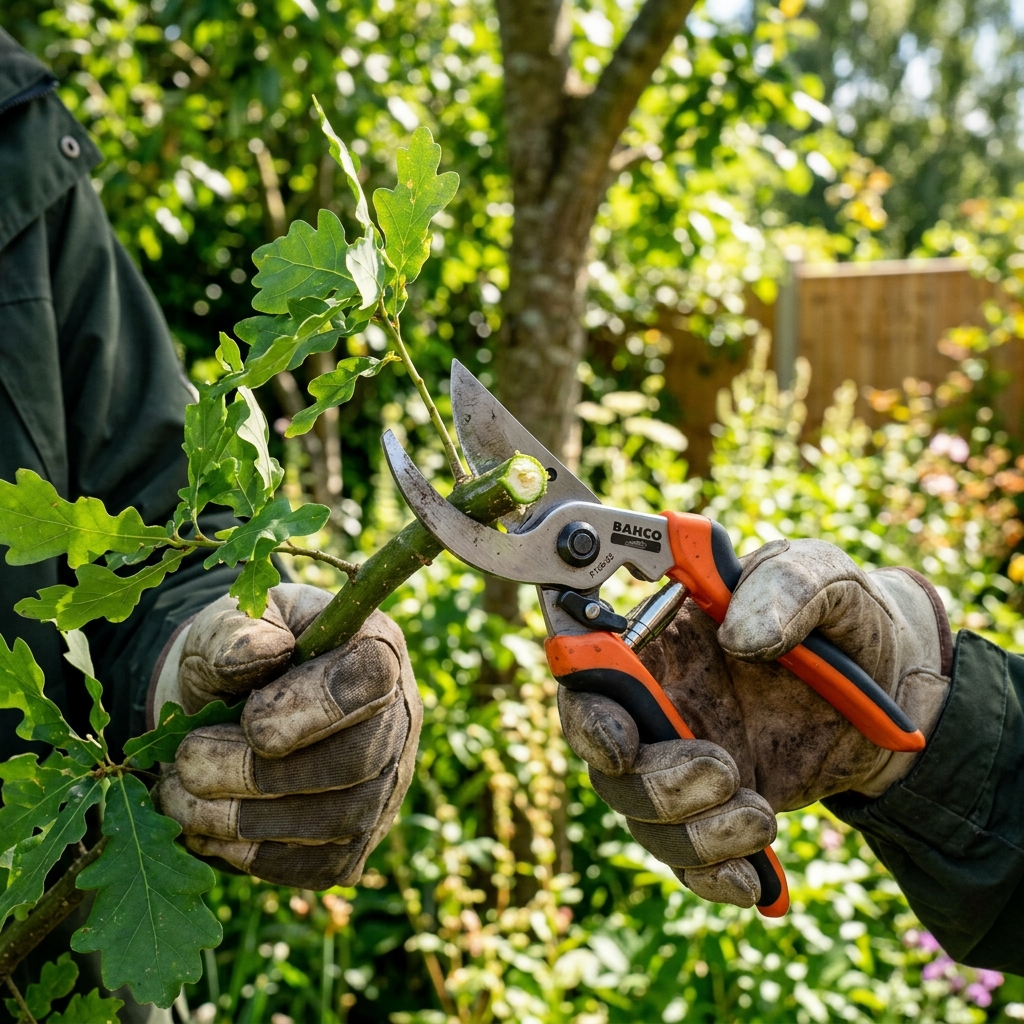
Essential Tree Trimming Costs in Tampa: Get an Accurate Quote Today!
Tree trimming costs in Tampa, FL, typically range from $200 to $1,000 per tree, but can exceed $2,000 for very large or hazardous specimens. Factors like tree size, species, accessibility, health, and necessary equipment significantly influence the final price. Always seek a detailed, on-site estimate from a qualified local arborist.
Maintaining the health, safety, and aesthetic appeal of your trees in Tampa is crucial, especially with our unique subtropical climate and frequent storm activity. While tree trimming might seem like a simple task, it's a specialized service that varies in cost depending on a multitude of factors. Understanding these elements will help you prepare for the expense and ensure you receive fair, transparent pricing from a reputable local tree service.
What Factors Determine Tree Trimming Costs in Tampa?
Several key variables directly impact the price of professional tree trimming in the Tampa Bay area. When our arborists provide an estimate, they meticulously assess each of these points:
- Tree Size and Height: This is arguably the most significant factor. Taller, larger trees require more time, specialized equipment (like bucket trucks or climbing gear), and increased labor to trim safely. A small ornamental tree might cost less than $300, while a mature oak over 60 feet tall could easily be $800-$1,500 or more.
- Tree Species: Some tree species, such as Live Oaks common in Tampa, have dense canopies and require careful, often intricate pruning to maintain their natural shape and health. Others might be prone to decay or unusual growth patterns, demanding more skilled intervention.
- Accessibility: Is the tree easily accessible by equipment from a paved driveway, or is it tucked away in a backyard with fences, pools, or delicate landscaping? Trees in confined spaces, near power lines, or on steep slopes increase risk and labor, raising costs.
- Tree Health and Condition: Diseased, decaying, or storm-damaged trees often require delicate handling to avoid further damage or collapse. Such scenarios demand extra caution and expertise, impacting the overall price.
- Type of Trimming Required:
- Basic Pruning: General shaping, deadwood removal, and minor branch trimming.
- Crown Thinning: Removing interior branches to improve air circulation and light penetration.
- Crown Reduction: Decreasing the tree's height or spread (often done for storm preparedness or clearance).
- Hazardous Branch Removal: Urgent removal of large, overhanging, or compromised branches that pose immediate danger.
- Equipment and Crew Size: The specific tools and number of crew members needed for a job affect labor and equipment costs. Large jobs require more specialized machinery and a bigger team.
- Permit Requirements: In Tampa, FL, and surrounding areas, certain tree trimming or removal activities, especially for protected species or large trees, may require city permits. Our team can advise on these requirements, but the application fees are typically separate.
Why is Professional Tree Trimming an Investment in Tampa's Climate?
In a region like Tampa, with its intense heat, humidity, and active hurricane season, professional tree trimming isn't just about aesthetics; it's a vital investment in safety and property value.
- Hurricane Preparedness: Proper trimming reduces the risk of large branches breaking off during high winds, protecting your home, vehicles, and power lines. This proactive approach can save you significant money and stress in post-storm repairs.
- Disease and Pest Prevention: Removing dead or diseased branches eliminates potential entry points for pests and pathogens, helping to preserve the overall health of your tree. This is especially important for local species susceptible to specific ailments.
- Enhanced Tree Health: Strategic pruning encourages stronger growth, improves air circulation within the canopy, and allows more sunlight to reach the inner branches and lawn below.
- Increased Property Value: Well-maintained trees significantly enhance curb appeal and can increase your property's market value. Overgrown or unhealthy trees can be a liability.
- Liability Protection: Damaged trees can pose a serious threat to neighbors' property or public spaces. Professional trimming helps mitigate these risks, reducing your liability.
For residents in nearby areas, understanding these benefits is equally important. If you're in Riverview, for example, your trees face similar environmental stressors and require the same expert care to thrive.
How Do I Get an Accurate Tree Trimming Quote in Tampa?
The best way to get an accurate estimate is through a professional, on-site consultation. Here’s what to expect and what to look for:
- On-Site Inspection: A certified arborist from Tampa Tree Care Specialists will visit your property to visually inspect the tree(s). They will assess species, size, health, location, accessibility, and potential hazards.
- Detailed Proposal: You should receive a written proposal outlining the scope of work, including specific trimming techniques, debris removal, equipment to be used, and the total cost.
- Proof of Insurance and Licensing: Always verify that the company is fully licensed and insured (liability and workers' compensation). This protects you from financial responsibility in case of accidents or damage during the work.
- References and Reviews: Check online reviews and ask for local references. A reputable company will be happy to provide them.
- Understand What's Included: Clarify if the quote includes debris removal and disposal. Most professional services include this, but it's good to confirm.
When Should I Schedule Tree Trimming in Tampa, FL?
Timing your tree trimming can impact both the health of your trees and the cost. While trees can be trimmed year-round, certain periods are optimal for specific goals:
- Late Fall to Early Spring (Dormant Season): For most deciduous trees, trimming during their dormant season is ideal. Without leaves, the tree's structure is clearly visible, allowing for precise cuts. This also minimizes stress on the tree and promotes vigorous growth in spring.
- Post-Hurricane Season (October - November): After the primary hurricane season concludes, it's a good time to assess and address any lingering storm damage or proactively prune for the next year.
- Pre-Hurricane Season (Late Spring - Early Summer): Proactive structural pruning before the peak storm season (June-November) is critical for strengthening trees against high winds and heavy rains. This often involves reducing crown density and removing weak or dead branches.
- Emergency Trimming: If a tree or branch poses an immediate hazard (e.g., after a storm, leaning precariously), emergency trimming is necessary regardless of the season.
It's important to be aware of the specific needs of your tree species and to avoid over-trimming, which can stress a tree and make it more susceptible to disease.
Don't DIY: The Risks of Amateur Tree Trimming
While the idea of saving money by trimming your own trees might be tempting, the risks involved often far outweigh any potential savings. Tree trimming, especially for larger trees, is a dangerous job best left to professionals.
- Personal Injury: Falls from ladders, cuts from saws, and falling branches are common hazards. Serious injuries can occur, leading to significant medical expenses.
- Property Damage: An improperly cut branch can fall onto your home, vehicle, or a neighbor's property, causing costly damage. If you're not insured for such work, you'll bear the full expense.
- Tree Damage and Disease: Incorrect pruning cuts can severely injure a tree, making it vulnerable to pests, diseases, and even death. This can lead to future removal costs.
- Electrocution: Working near power lines is incredibly dangerous. Electricity can arc from power lines without direct contact, causing severe injury or death. This is why professionals use insulated tools and follow strict safety protocols.
- Lack of Proper Equipment: Most homeowners lack the specialized equipment (chainsaws, climbing gear, bucket trucks) required to safely and effectively trim larger trees. Trying to make do with inadequate tools increases risk.
Whether you're in Tampa or a neighboring community like Wesley Chapel, ensuring the safety of your property and family is paramount. Trusting certified arborists ensures the job is done right, safely, and efficiently.
Ready for a Professional Tree Trimming Quote in Tampa?
Don't let the vital task of tree maintenance become a headache or a hazard. At Tampa Tree Care Specialists, we understand the unique challenges and needs of trees in our local environment. Our certified arborists provide expert, safe, and efficient tree trimming services, offering transparent pricing and detailed quotes tailored to your specific situation.
Protect your property, enhance your landscape, and ensure the long-term health of your trees. Contact Tampa Tree Care Specialists today for a free, no-obligation on-site estimate. We're here to provide the professional tree care you deserve.
Need Professional Assistance?
Get a free, no-obligation estimate from our expert local team today.