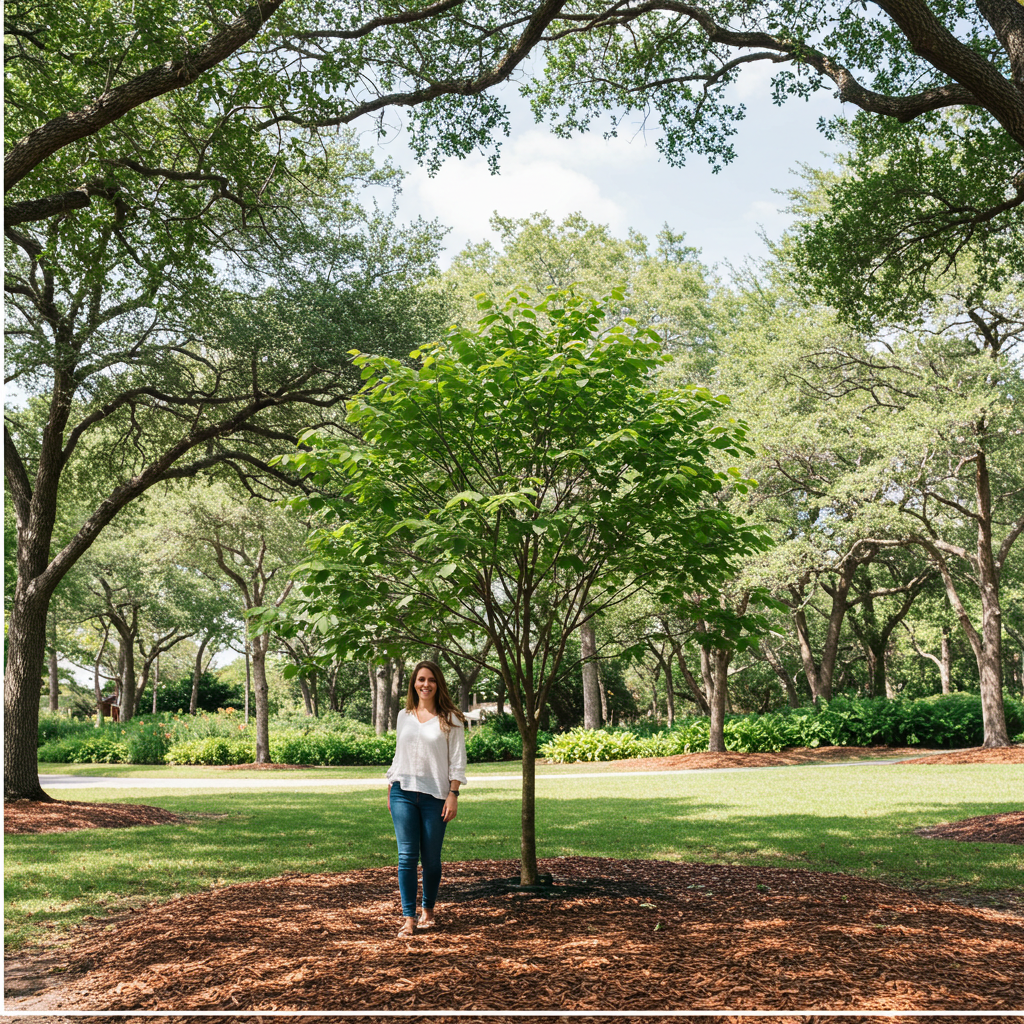
Keep Your Tampa Trees Thriving: The Ultimate Watering Guide
Why is Proper Tree Watering Critical for Tampa's Climate?
Tampa's climate presents unique challenges and opportunities for tree health. With our intense heat, high humidity, and distinct wet and dry seasons, understanding proper tree watering is not just good practice—it's essential for survival and longevity. Our sandy soils, while offering excellent drainage, often struggle to retain moisture, making deep and consistent hydration crucial for developing robust root systems.
When trees receive adequate and appropriate watering, they develop strong, deep roots that can access water and nutrients from a wider soil volume. This makes them more resilient to drought, high winds, and common pests and diseases. Conversely, improper watering, whether too much or too little, is a leading cause of tree stress, weakening their natural defenses and shortening their lifespan. For homeowners in Tampa, investing time in learning proper watering techniques translates directly into a healthier, more beautiful, and valuable landscape that can withstand the local environmental pressures.
How Do I Water My Trees Effectively in Tampa?
Effective watering in Tampa isn't about simply turning on the sprinkler; it's about delivering water efficiently to where it's needed most: the root zone. The technique varies significantly between newly planted and established trees.
Watering Newly Planted Trees:
- Initial Saturation: Immediately after planting, water thoroughly to settle the soil around the roots and eliminate air pockets.
- Frequent & Shallow (Initially): For the first 2-3 weeks, water daily, providing enough moisture to keep the top 6-8 inches of soil consistently moist. This encourages initial root establishment.
- Gradual Reduction: Over the next 3-6 months (or up to a year for larger specimens), gradually reduce the frequency but increase the depth. Aim for deep watering every 2-3 days, then every 3-4 days, always checking soil moisture.
- Watering Bags: Consider using tree watering bags for a slow, consistent drip directly to the root ball, reducing runoff and evaporation.
Watering Established Trees:
Established trees (those planted for more than 2-3 years) need deep, infrequent watering to encourage roots to grow downwards, rather than shallowly near the surface.
- Deep Watering is Key: The goal is to moisten the soil 12-18 inches deep. This promotes deep root growth, making the tree more drought-tolerant.
- Methods for Deep Watering:
- Soaker Hoses: Lay a soaker hose in a coil around the tree's drip line (the area directly beneath the outer circumference of the branches) and let it run for several hours on a low setting.
- Drip Irrigation: Install a drip system with emitters placed near the tree's root zone for precise, slow application.
- Slow Trickle: Place a regular garden hose at the drip line and let it trickle slowly for an extended period (e.g., 2-4 hours), moving it to different spots around the tree.
- Check Soil Moisture: Before watering, use a moisture meter or simply stick a screwdriver or spade into the soil. If it penetrates easily and comes out with soil clinging to it at a depth of 6-12 inches, you may not need to water.
- Timing: Water early in the morning. This minimizes evaporation, allowing the water to soak in effectively before the intense Tampa sun hits, and gives the foliage time to dry, reducing the risk of fungal diseases.
The specific amount of water depends on the tree's size, species, and soil type. A good general rule of thumb for established trees is to provide approximately 10 gallons of water per inch of trunk diameter (measured at chest height) per watering session during dry spells.
What Are the Signs of Under or Over-Watered Trees in Tampa?
Recognizing the signs of watering stress is crucial for timely intervention. Both too little and too much water can severely damage a tree, and sometimes the symptoms can look surprisingly similar.
Signs of Under-Watering (Drought Stress):
- Wilting Leaves: Leaves may droop or curl inwards, trying to conserve moisture.
- Yellowing and Browning Leaves: Often starting from the outer edges or tips, leaves may turn yellow, then brown, and become crispy.
- Premature Leaf Drop: Trees may shed healthy-looking or slightly yellowed leaves to reduce water loss.
- Stunted Growth: New growth may be sparse, small, or appear stressed.
- Leaf Scorch: Brown or scorched spots appearing on leaves, especially during hot, sunny periods.
- Lack of Vigor: The tree generally appears lifeless, with dull foliage.
Signs of Over-Watering (Oxygen Deprivation/Root Rot):
- Yellowing Leaves (Especially Lower Leaves): Often a more uniform yellowing across the entire leaf, sometimes with green veins. This is due to nutrient deficiencies caused by damaged roots.
- Stunted Growth: Similar to under-watering, but often accompanied by overall poor vigor and sometimes a gradual decline.
- Soft, Spongy Bark: The base of the trunk may feel unusually soft or show signs of fungal growth (mushrooms).
- Root Rot: The most severe consequence, leading to decaying, foul-smelling roots and eventual tree death.
- Algae or Moss on Soil Surface: Indicates consistently wet conditions.
Careful observation of your tree's foliage and overall health, combined with regular soil moisture checks, will help you distinguish between these two critical issues and adjust your watering regimen accordingly. Understanding these indicators allows you to respond effectively before minor stress escalates into severe damage or disease.
How Can I Conserve Water While Maintaining Healthy Tampa Trees?
In a region like Tampa, where water conservation is increasingly important, smart watering practices can benefit both your trees and the environment. Here's how to maximize water efficiency:
- Mulch, Mulch, Mulch: Applying a 2-4 inch layer of organic mulch (such as wood chips or pine bark) around the base of your trees is perhaps the most effective water conservation strategy. Mulch insulates the soil, reducing water evaporation by up to 30%, suppressing weeds (which compete for water), and moderating soil temperature. Keep mulch a few inches away from the tree trunk to prevent rot.
- Smart Irrigation Systems: If you use an automated irrigation system, ensure it has a rain sensor that prevents watering when it's raining or has recently rained. Consider upgrading to smart controllers that adjust watering schedules based on local weather forecasts and soil moisture levels.
- Deep and Infrequent Watering: As discussed, watering deeply but less often trains roots to seek water deeper in the soil, making them more resilient and less reliant on frequent surface watering.
- Address Runoff: If water runs off before it can soak in, your trees aren't benefiting. Create a small soil berm around the drip line of new trees to create a basin that holds water, allowing it to penetrate slowly. For established trees, break up compacted soil gently around the root zone if runoff is an issue.
- Plant Appropriately: Choose tree species that are well-suited to Tampa's climate and soil conditions, and consider native or drought-tolerant varieties for new plantings. These trees naturally require less supplemental watering once established.
- Monitor Weather: Pay attention to rainfall. If Tampa experiences significant rain, delay your usual watering schedule. Trees don't need additional irrigation when nature is doing the work.
By implementing these water-wise strategies, you can ensure your Tampa trees remain healthy and vibrant while also being a responsible steward of our precious water resources. A healthy tree canopy contributes significantly to the beauty, air quality, and property value of our community.
Maintaining the health of your trees, especially through proper watering, is vital for their longevity and the beauty of your Tampa landscape. Understanding the specific needs of your trees in our unique climate can seem complex, but it doesn't have to be overwhelming. If you have questions about your tree's watering needs, suspect signs of stress, or simply want expert advice on ensuring a thriving canopy, don't hesitate to reach out to the professionals. Tampa Tree Care Specialists are here to provide comprehensive tree assessments, tailored watering plans, and any other expert tree services you may require. Trust us to help your trees flourish for years to come.
Need Professional Assistance?
Get a free, no-obligation estimate from our expert local team today.