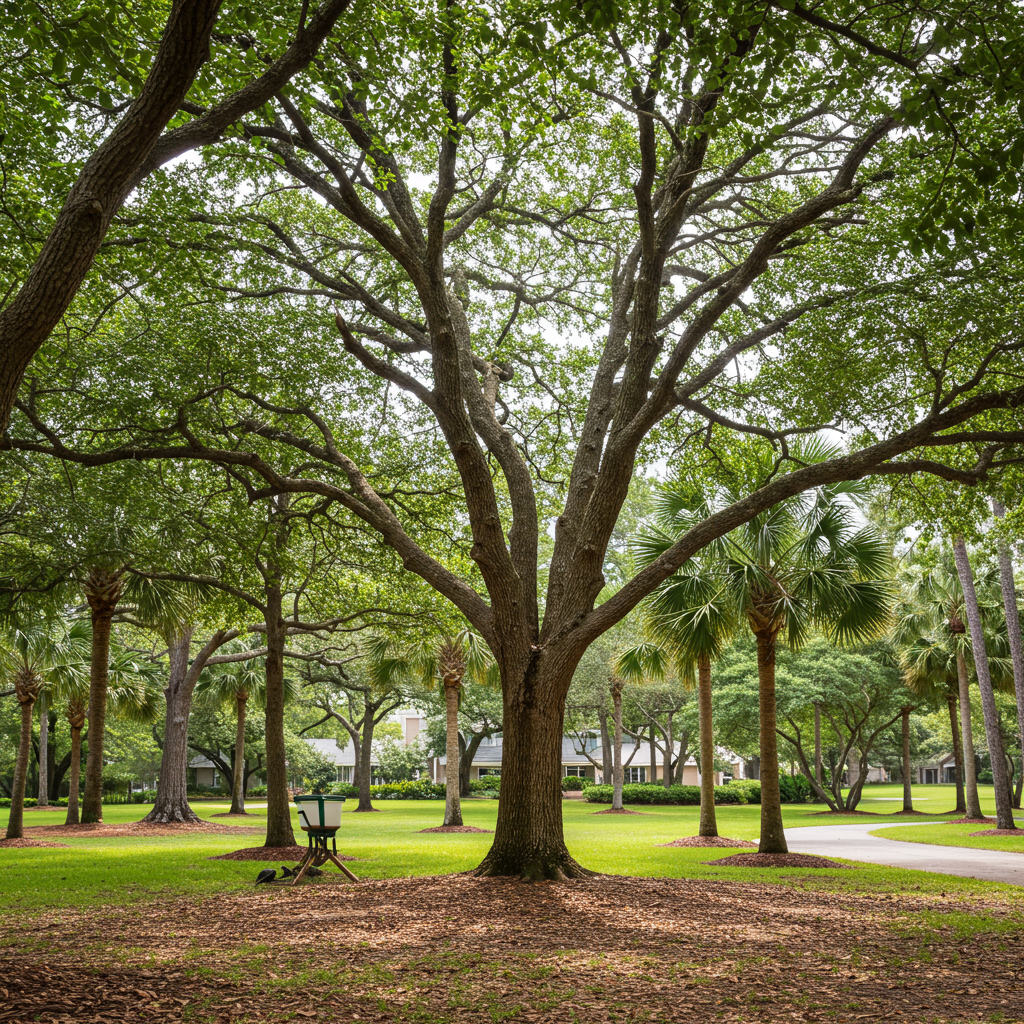
Boost Tampa's Environment: Uncovering the Hidden Benefits of Healthy Trees
When you look at the majestic trees lining Tampa's streets or gracing your backyard, you likely appreciate their shade and beauty. However, their true value extends far beyond aesthetics. In a vibrant, growing city like Tampa, our trees are ecological powerhouses, silently working to make our environment healthier, cooler, and more sustainable. Understanding these profound environmental benefits, and how professional tree care enhances them, is key to appreciating our urban forest.
Tampa's unique subtropical climate and urban density make the environmental contributions of its trees even more critical. From the bustling downtown core to the quiet residential neighborhoods, every tree plays a role in the intricate web of our local ecosystem. By actively promoting tree health, we're not just investing in our property, but in the collective well-being of our community and the preservation of our natural resources.
How Do Trees Improve Air Quality in Tampa?
One of the most immediate and impactful environmental benefits of trees in Tampa is their profound effect on air quality. Trees act as nature's air purifiers, a critical function in an urban environment with vehicular emissions and industrial activity. This process goes beyond simply releasing oxygen, which they do through photosynthesis, a fundamental process where trees convert carbon dioxide into the air we breathe.
- Carbon Sequestration: Trees are incredible carbon sinks. They absorb vast amounts of carbon dioxide (CO2), a primary greenhouse gas, from the atmosphere. This helps mitigate climate change and reduce Tampa's overall carbon footprint. Larger, healthier trees sequester significantly more carbon.
- Pollutant Filtration: Tree leaves act like natural filters, trapping particulate matter (PM2.5, PM10) such as dust, pollen, and soot that can cause respiratory problems. They also absorb gaseous pollutants like ozone, nitrogen oxides, and sulfur dioxide. The rough surfaces of leaves and bark are particularly effective at capturing these tiny airborne particles, preventing them from entering our lungs.
- Oxygen Production: As a byproduct of photosynthesis, trees release life-sustaining oxygen. A mature tree can produce enough oxygen for several people each year, a staggering contribution to the air we breathe.
The science is clear: a robust, healthy tree canopy in Tampa means cleaner, fresher air for everyone. Professional tree care, including proper pruning and pest management, ensures trees can perform these vital air-cleansing functions at their peak efficiency. Compromised or diseased trees are less effective environmental assets.
Can Trees Help Manage Stormwater and Prevent Flooding in Tampa?
Tampa, being a coastal city prone to heavy rainfall and hurricane season, faces significant challenges with stormwater management and potential flooding. Trees are unsung heroes in this battle, offering natural, effective solutions to reduce runoff and protect our waterways.
- Rainfall Interception: The canopy of a tree intercepts a significant amount of rainfall before it even reaches the ground. This reduces the immediate volume of water hitting impervious surfaces like roofs and pavements, thus decreasing runoff. The water then slowly evaporates from the leaves or drips down, delaying its entry into the stormwater system.
- Water Absorption: Tree root systems are incredible sponges. They absorb large quantities of water from the soil, preventing saturation and reducing the amount of water that becomes surface runoff. This absorption helps to recharge groundwater supplies and keeps soil healthy.
- Erosion Control: The extensive root networks of trees bind soil particles together, significantly reducing soil erosion. This is especially important on slopes or near waterways, where runoff can carry away valuable topsoil and deposit sediment into Tampa's rivers, bay, and estuaries, impacting aquatic life and water quality.
- Natural Filtration: As rainwater percolates through the soil around tree roots, it undergoes natural filtration. Trees can help remove pollutants from runoff before it reaches groundwater or surface water bodies, improving overall water quality in our local ecosystems.
Maintaining strong, healthy tree root systems through expert care is paramount for these stormwater benefits. Over-compaction of soil, improper irrigation, or root damage can hinder a tree's ability to absorb water, diminishing its environmental contribution. Professional arborists understand how to optimize tree health for maximum water management capabilities.
What Role Do Tampa's Trees Play in Reducing Urban Heat?
Tampa's scorching summer temperatures contribute to what's known as the
Need Professional Assistance?
Get a free, no-obligation estimate from our expert local team today.