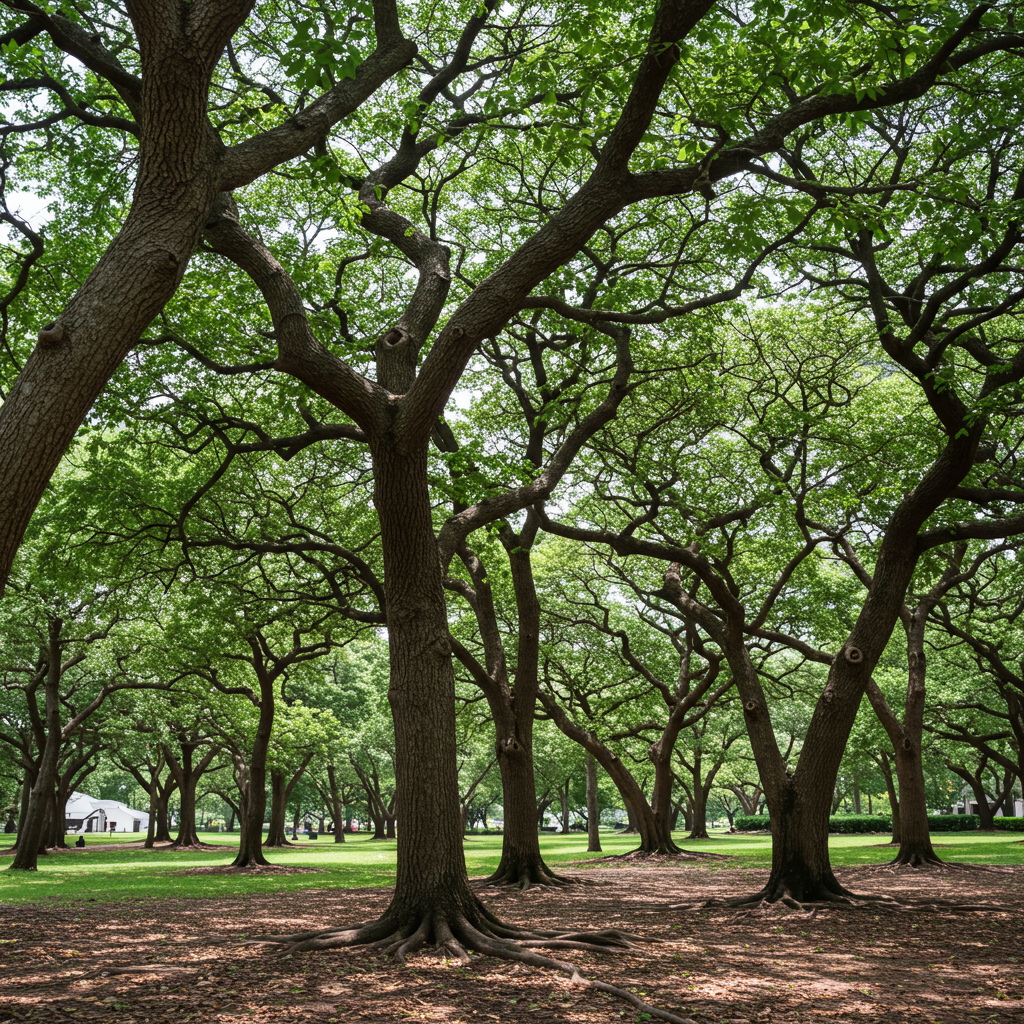
Tampa's Urban Forest: Why Your Trees Are Essential for a Healthier Community
In a vibrant, growing city like Tampa, the importance of our green infrastructure – specifically, our trees – often goes unnoticed beyond their immediate aesthetic appeal. Yet, the collective canopy of trees across our parks, streets, and private properties forms what arborists and environmentalists call the 'urban forest.' This living network is a vital asset, silently working to improve our quality of life and the city’s ecological resilience. Understanding its value is the first step toward becoming a more responsible steward of our shared environment.
What is Tampa's Urban Forest and Why Does It Matter?
Tampa's urban forest encompasses every tree within the city limits, whether it's a majestic oak in a public park, a row of palms lining a boulevard, or a fruit tree in your backyard. It's a complex ecosystem thriving amidst human development, providing a myriad of services that are often taken for granted. In a subtropical climate like Tampa's, where heat and humidity are constant companions, these trees play an even more critical role.
- Definition: It includes all trees, shrubs, and associated vegetation in and around urban areas, managed or unmanaged.
- Ecosystem Services: Beyond beauty, these trees perform essential functions like air purification, water filtration, and temperature regulation.
- Unique Challenges: Tampa's urban forest faces specific threats from hurricanes, invasive pests, soil compaction, and the ongoing pressures of urban development. Proper care is not just about aesthetics; it's about safeguarding a crucial natural resource.
Recognizing the urban forest as a collective entity helps us understand that the health of one tree can impact the health of many, and the decisions made on private property contribute to the larger ecological balance of our city.
How Do My Trees Contribute to a Healthier Tampa Environment?
Every tree on your property is a miniature powerhouse, contributing significantly to Tampa’s environmental health. These contributions extend far beyond simply looking good; they actively combat pollution, manage water resources, and support local ecosystems.
- Improving Air Quality: Trees act as natural air filters. Their leaves intercept particulate matter like dust, pollen, and smoke, while also absorbing gaseous pollutants such as ozone, carbon monoxide, and sulfur dioxide. Critically, they sequester carbon dioxide, a major greenhouse gas, and release oxygen, making Tampa's air cleaner and healthier to breathe.
- Managing Stormwater Runoff: With Tampa's frequent heavy rains, stormwater management is a major concern. Tree canopies reduce the impact of raindrops, allowing water to soak into the ground rather than rapidly running off impervious surfaces. Their root systems absorb vast amounts of water, helping to replenish groundwater and reduce the burden on stormwater infrastructure, which in turn mitigates flooding and erosion.
- Reducing Urban Heat Island Effect: Paved surfaces and buildings absorb and re-emit the sun’s heat, leading to significantly higher temperatures in urban areas compared to surrounding rural landscapes – a phenomenon known as the urban heat island effect. Trees combat this by providing shade and through evapotranspiration (releasing water vapor into the air), effectively cooling their surroundings by several degrees, leading to more comfortable outdoor spaces and reduced energy consumption for air conditioning.
- Supporting Local Biodiversity: Tampa's urban trees provide essential habitats and food sources for a variety of wildlife, including birds, insects, and small mammals. This biodiversity is crucial for maintaining ecological balance, supporting pollination, and ensuring a vibrant natural environment within our city.
Understanding these profound environmental benefits underscores the responsibility homeowners have to nurture and protect their trees.
What Are the Social and Economic Benefits of Tampa's Urban Canopy?
Beyond their direct environmental impact, Tampa's urban forest offers a wealth of social and economic advantages that enhance the lives of its residents and bolster the city’s overall prosperity. These benefits often intersect, creating a more livable and resilient community.
- Enhanced Property Value and Curb Appeal: Well-maintained, mature trees significantly increase property values. Studies consistently show that homes with healthy trees can sell for higher prices and spend less time on the market. They provide an attractive landscape, offering privacy, beauty, and a welcoming atmosphere that enhances a neighborhood’s overall curb appeal.
- Energy Savings: Strategically placed trees can dramatically reduce energy consumption in homes and businesses. By shading buildings from the intense Tampa sun in summer, they can lower cooling costs by up to 30%. In winter, evergreens can act as windbreaks, reducing heating needs, though this is less of a concern in Tampa's climate.
- Improved Public Health and Well-being: Access to green spaces and tree-lined streets has a measurable positive impact on human health. Spending time among trees has been shown to reduce stress, lower blood pressure, and improve mood. Urban forests encourage outdoor physical activity, reduce noise pollution, and can even contribute to lower crime rates by fostering a sense of community and stewardship.
- Community Cohesion and Aesthetic Value: Parks and tree-filled public spaces serve as gathering points, fostering community interaction and pride. Trees soften the harshness of urban infrastructure, making streets more inviting for pedestrians and cyclists. They contribute to the unique character and beauty of Tampa, making it a more desirable place to live, work, and visit.
These benefits highlight why investing in the health of our urban forest is an investment in the long-term vitality of Tampa.
How Can Homeowners Support Tampa's Urban Forest Health?
As a homeowner in Tampa, you play a pivotal role in the health and longevity of our urban forest. Every action you take to care for your trees contributes to the collective well-being of the city. Here are practical steps you can take:
- Choose the Right Trees: When planting, select native or Florida-friendly species that are well-adapted to Tampa’s climate and soil conditions. These trees require less water and maintenance, are more resistant to local pests and diseases, and provide optimal ecological benefits.
- Practice Proper Planting: Ensure trees are planted correctly, at the right depth, and with adequate space to grow. Incorrect planting is a leading cause of premature tree death.
- Provide Consistent Watering and Mulching: Young trees require regular watering to establish strong root systems. For all trees, applying a layer of organic mulch around the base helps retain soil moisture, regulate temperature, and suppress weeds, while keeping it a few inches away from the trunk.
- Regular Pruning and Maintenance: Professional pruning removes dead, diseased, or hazardous branches, improves tree structure, and encourages healthy growth. Avoid over-pruning or
Need Professional Assistance?
Get a free, no-obligation estimate from our expert local team today.