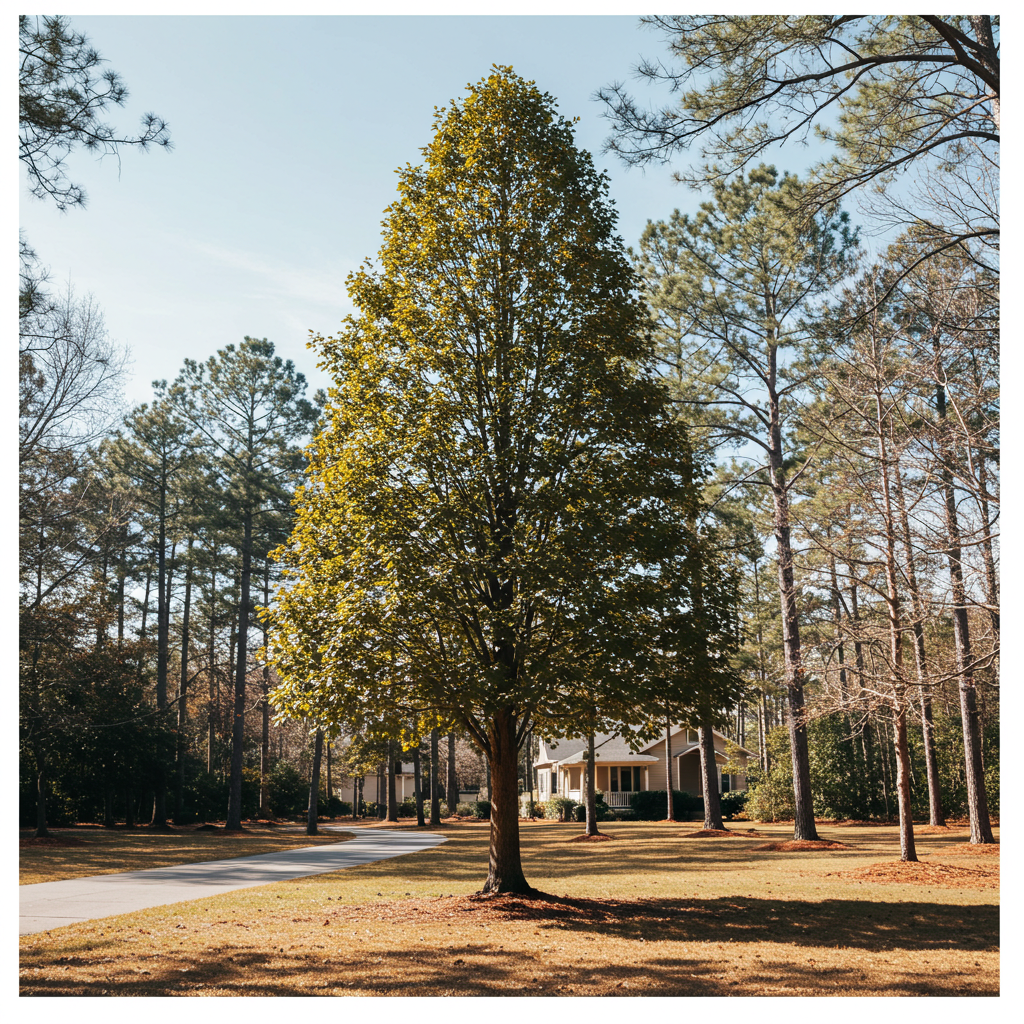
Tampa Winter Tree Care: Protect Your Landscape & Boost Health
Tampa homeowners should prioritize protecting their trees from occasional cold snaps, ensuring adequate hydration, and performing light pruning during the mild winter months. These proactive steps prevent cold damage, support root health, and prepare trees for vigorous spring growth, maintaining a vibrant landscape year-round.
How Does Tampa's Mild Winter Affect Trees?
While Tampa is renowned for its sunny, warm climate, our winters are far from immune to conditions that can stress trees. Unlike regions with harsh freezes, Tampa experiences mild winters characterized by:
- Occasional Cold Snaps: Temperatures can drop significantly, sometimes reaching near or below freezing, especially overnight. This sudden chill can shock tropical and subtropical trees not accustomed to such conditions.
- Reduced Rainfall: Winter often brings drier conditions compared to our humid summer months. Despite cooler temperatures, trees still need consistent moisture, and a lack of rainfall can lead to drought stress.
- Slower Growth Cycles: Even evergreens in Tampa enter a period of reduced metabolic activity. While not a true dormancy for many species, growth slows, making them more vulnerable to environmental stressors if not properly cared for.
- Pest and Disease Fluctuations: Some pests and diseases become less active in cooler weather, while others might persist or even exploit weakened trees. Monitoring is still essential.
Understanding these unique winter dynamics in Tampa is the first step toward effective tree care. Ignoring these factors can lead to weakened trees, increased susceptibility to disease, and even structural damage come spring.
What Are the Essential Steps for Winter Tree Care in Tampa?
Proactive care during Tampa's winter months is critical for ensuring your trees not only survive but truly flourish. Here are the essential steps:
- Deep Watering: Even without the scorching summer sun, trees require consistent moisture. Winter can be surprisingly dry. Aim for deep, infrequent watering sessions that soak the root zone thoroughly, encouraging roots to grow deeper and making the tree more resilient. Water early in the day to allow foliage to dry before evening temperatures drop.
- Mulching Around the Base: A 2-4 inch layer of organic mulch (like wood chips or pine needles) around the base of your trees offers multiple benefits. It insulates the soil, maintaining a more consistent temperature, helps retain moisture, and suppresses weeds that compete for water and nutrients. Keep mulch a few inches away from the tree trunk to prevent rot and pest issues.
- Cold Protection for Sensitive Trees: If a significant cold snap or freeze warning is issued, protect young or particularly sensitive tropical trees (e.g., certain palms, citrus).
- Covering: Use burlap, old sheets, or frost cloths draped over the canopy and extending to the ground to trap ground heat. Avoid plastic directly touching foliage.
- Watering Before a Freeze: A well-watered tree is more resilient to cold. Water thoroughly the day before a predicted freeze.
- Wrapping Trunks: For young trees with thin bark, consider wrapping the trunk with burlap to prevent frost cracks.
- Nutrient Management: Winter is not typically the time for heavy fertilization in Tampa. However, a soil test can reveal deficiencies. If necessary, a slow-release, balanced fertilizer can be applied, but often, focusing on soil health through composting and mulching is more beneficial during this period. Over-fertilizing can stimulate new, tender growth that is highly susceptible to cold damage.
- Disease and Pest Monitoring: Continue to regularly inspect your trees for any signs of disease (unusual spots, wilting) or pest infestations (chewed leaves, webbing). Early detection allows for timely intervention, often preventing minor issues from becoming major problems.
Adhering to these steps provides a robust defense against winter challenges, setting your trees up for a healthy and vigorous spring.
When is the Best Time for Winter Pruning in Tampa?
Winter pruning in Tampa, while beneficial, requires careful timing to maximize its effectiveness and minimize stress on your trees. For many deciduous trees, late winter (January and February) is ideal. At this time, trees are in a state of slowed growth, meaning:
- Easier Identification of Structure: Without leaves, it's simpler to see the tree's overall structure and identify dead, diseased, or crossing branches that need removal.
- Reduced Stress: Pruning when the tree is less active minimizes the physiological stress of wound closure and sap loss.
- Disease Prevention: Many fungal and bacterial pathogens are less active in cooler, drier winter air, reducing the risk of infection through pruning wounds.
However, for certain flowering trees that bloom on old wood (e.g., magnolias), pruning should occur immediately after they finish flowering in spring to avoid removing next season's buds. Always research the specific needs of your tree species.
What to Prune:
- Dead, Dying, or Diseased Branches: These should be removed whenever they are identified, regardless of the season, to prevent the spread of disease or structural hazards.
- Crossing or Rubbing Branches: These can create wounds and entry points for pests and diseases.
- Weak or V-shaped Crotches: Identifying and addressing these can prevent future structural failures.
- Suckers and Water Sprouts: These are often weak and divert energy from the main tree.
It's crucial to use sharp, clean tools and make proper cuts to promote quick healing. For larger branches or complex pruning tasks, consulting a certified arborist is highly recommended to ensure the tree's long-term health and structural integrity.
Why is Winter Tree Watering Crucial in Tampa?
Many homeowners mistakenly believe that trees don't need much water during Tampa's cooler winter months. This misconception can lead to significant problems. Here's why winter watering is crucial:
- Reduced Rainfall: As noted, winter often brings drier spells to Tampa. While temperatures are lower, trees, especially evergreens, continue to respire and lose water through their leaves. Without adequate rainfall, the soil can dry out, leading to drought stress.
- Root Health: Tree roots are active year-round, absorbing water and nutrients even when the top growth has slowed. Consistent moisture supports a healthy root system, which is vital for spring growth and overall tree resilience. Dry soil can lead to root desiccation and damage.
- Increased Cold Tolerance: A well-hydrated tree is more resistant to cold damage. Water in the soil and within the tree's cells acts as an insulator. When cells are plump with water, they are less likely to be damaged by freezing temperatures than dehydrated cells.
- Nutrient Uptake: Water is the medium through which trees absorb nutrients from the soil. Without sufficient moisture, nutrient uptake is compromised, potentially leading to deficiencies.
- Preparing for Spring Growth: Proper winter hydration ensures that trees have sufficient moisture reserves to support the explosion of growth that occurs in spring. Trees that enter spring already stressed from lack of water will struggle to thrive.
Aim for deep, infrequent watering. Instead of light, daily sprinkles, water less frequently but for longer durations, allowing water to penetrate 12-18 inches into the soil. Check soil moisture before watering by sticking a finger into the soil or using a moisture meter. Overwatering can be just as detrimental as underwatering, leading to root rot.
What Are Common Winter Tree Problems to Watch For in Tampa?
Even with proactive care, Tampa trees can face specific challenges during the winter months. Being aware of these issues allows for early detection and mitigation:
- Cold Damage: While rare, severe cold snaps can cause significant damage, especially to tropical species. Symptoms include:
- Leaf Browning/Blackening: Foliage on sensitive trees turns brown or black, often crisp to the touch.
- Bark Splitting: Severe temperature fluctuations can cause bark to split, particularly on young trees or those with thin bark.
- Dieback: Entire branches or tree sections may die off.
- Drought Stress: Despite cooler temperatures, dry winter spells can lead to dehydration. Signs include:
- Wilting or Drooping Leaves: Even evergreens can show signs of wilting.
- Premature Leaf Drop: Leaves falling earlier than expected for the species.
- Stunted Growth: Although growth is slower in winter, excessive dryness will prevent any new growth.
- Wind Damage: Winter fronts can bring strong, gusty winds. These can cause:
- Branch Breakage: Weak or already compromised branches can snap.
- Uprooting: For trees with shallow root systems or those in saturated soil, severe winds can lead to uprooting.
- Pests and Diseases: While some pests slow down, others can still be active or emerge.
- Scale Insects: These can cling to branches and sap nutrients.
- Fungal Diseases: Damp, cool conditions (especially if mixed with warm days) can still promote certain fungal issues.
- Borers: Stressed trees are more susceptible to boring insects, which can cause significant internal damage.
- Nutrient Deficiencies: Less active growth can sometimes mask underlying nutrient issues. Yellowing leaves or stunted development might indicate a deficiency that could worsen in spring.
Regularly inspecting your trees for these symptoms is crucial. Look closely at leaves, bark, and overall tree vigor. If you notice concerning changes, it's always best to consult with a professional arborist. Early diagnosis and treatment are key to preserving your tree's health and preventing more severe problems.
Taking these essential steps for winter tree care ensures your Tampa landscape remains vibrant and healthy year-round. While the season is mild, the specific needs of your trees during this time are critical. For personalized advice, expert pruning, or help diagnosing any winter-related tree issues, don't hesitate to contact Tampa Tree Care Specialists. Our certified arborists are equipped with the knowledge and tools to keep your trees in optimal condition, protecting your investment and enhancing your property's beauty.
Need Professional Assistance?
Get a free, no-obligation estimate from our expert local team today.