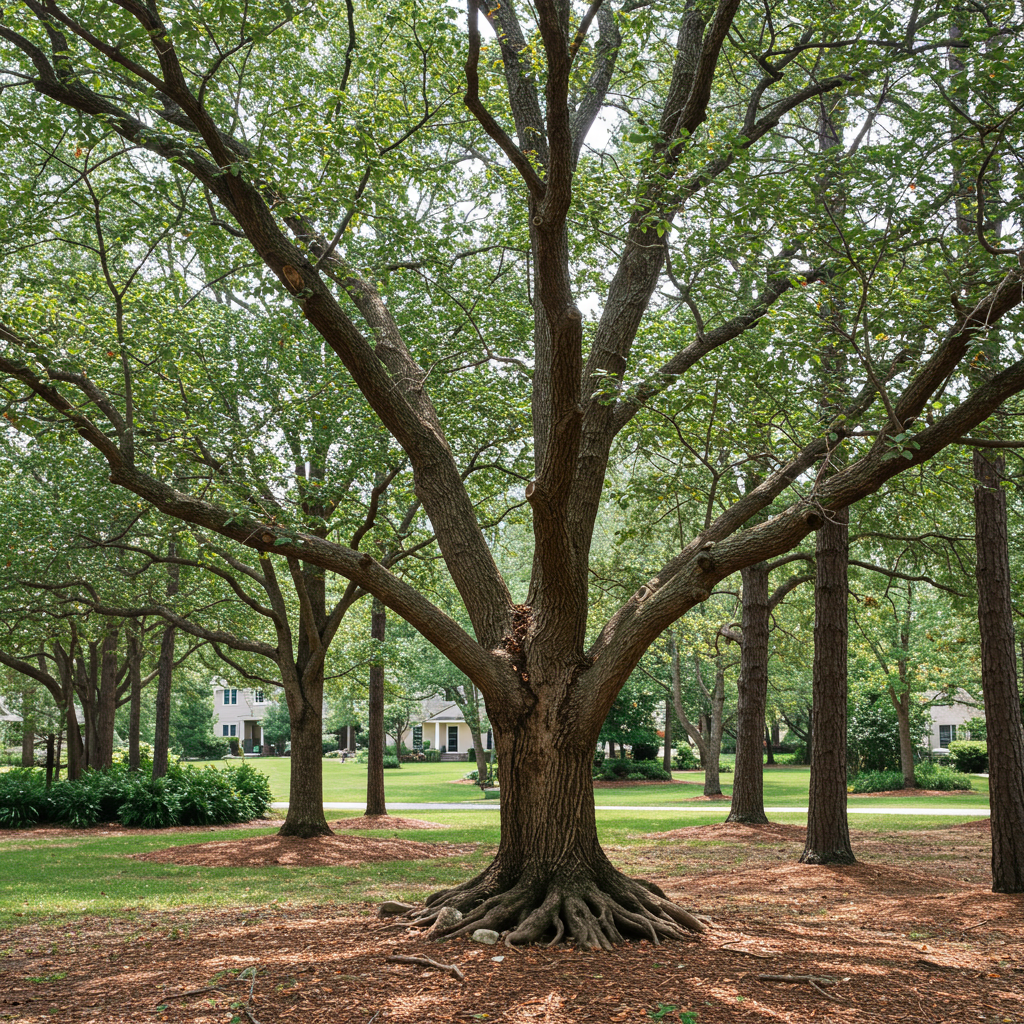
Boost Your Property Value with Year-Round Tree Care in Tampa
Year-round tree care in Tampa is crucial for several reasons: it promotes robust tree health, prevents common diseases and pests, enhances property aesthetics and value, and significantly reduces the risk of storm damage. Consistent maintenance ensures your trees thrive in Florida's unique climate and remain a valuable asset.
Tampa's unique subtropical climate presents both incredible opportunities and persistent challenges for tree health. While our lush environment allows a diverse array of species to flourish, it also demands year-round attention to protect your landscape investments. Neglecting consistent tree care can lead to weakened trees, increased susceptibility to pests and diseases, and heightened vulnerability to Florida's intense weather patterns, including the formidable hurricane season. Proactive, year-round maintenance is not merely about aesthetics; it's a strategic approach to safeguarding your property, enhancing curb appeal, and ensuring the longevity and vitality of your valuable trees. This comprehensive guide will walk Tampa homeowners through the essential components of a robust, year-round tree care strategy, highlighting the specific needs of trees in our local environment.
What Does Comprehensive Year-Round Tree Care Entail for Tampa Properties?
Effective year-round tree care in Tampa encompasses a series of consistent practices tailored to the local climate and specific tree species. It’s a proactive approach designed to monitor, maintain, and protect your trees from common threats while promoting their optimal growth and structural integrity.
- Regular Visual Inspections: Dedicate time each month, or at least quarterly, to walk around your property and closely inspect your trees. Look for signs of distress such as discolored or wilting leaves, unusual growths (cankers, mushrooms), insect activity (holes, webbing, frass), or weak and dead branches. Early detection of problems is critical for effective treatment.
- Proper Watering Techniques: Despite Tampa's humidity, dry spells can occur, especially during late spring and fall. Ensure your trees receive adequate moisture, focusing on deep, infrequent watering that encourages roots to grow downward rather than shallowly. Young trees require more consistent watering than established ones. Avoid daily light sprinkles, which can promote surface roots and make trees less drought-tolerant.
- Strategic Pruning for Health and Safety: Pruning is an art and a science. It involves removing dead, diseased, or damaged branches to improve tree health, enhance its natural shape, and reduce risk. Proper pruning also improves air circulation within the canopy, which can deter fungal diseases, and allows more sunlight to penetrate the landscape below. Avoid 'topping' trees, which is detrimental to their long-term health and structural integrity.
- Nutrient Management and Fertilization: Just like any living organism, trees need nutrients to thrive. Soil deficiencies are common, especially in urban environments. A soil test can determine specific needs. Applying a slow-release granular fertilizer or using deep root injection services, typically in early spring and/or late fall, can replenish essential nutrients, promoting robust root development, improved foliage, and increased resistance to stress.
- Proactive Pest and Disease Monitoring: Tampa trees are susceptible to various pests and diseases, such as spiraling whitefly, laurel wilt, or ganoderma root rot. Understanding common threats for your specific tree species and promptly addressing any issues you detect can prevent minor problems from escalating into severe, irreversible damage.
- Appropriate Mulching: Applying a 2-4 inch layer of organic mulch around the base of your trees (keeping it a few inches away from the trunk, in a 'donut' shape, not a 'volcano') offers numerous benefits. Mulch helps retain soil moisture, regulates soil temperature, suppresses weeds, and slowly releases nutrients as it decomposes.
How Can Seasonal Tree Care Protect My Tampa Home?
Tampa's distinct seasons, even subtle ones, dictate specific tree care actions. Adapting your approach seasonally helps protect your trees and, by extension, your property, from environmental stressors.
- Winter (December - February): While Tampa winters are mild, this is an ideal time for dormant pruning of deciduous trees. For evergreens, structural pruning to enhance form and strength can be performed. Inspect for cold damage after any unusual temperature drops. This period is also good for applying dormant oils to control overwintering pests.
- Spring (March - May): As new growth emerges, inspect for early signs of pests or diseases. This is an excellent time for fertilization to support vigorous growth. Ensure deep watering as temperatures begin to rise. Spring also marks the beginning of risk assessment for the upcoming hurricane season.
- Summer (June - August): This is peak hurricane season. Prioritize structural pruning to remove weak or overextended limbs that could become hazards in high winds. Deep watering is crucial during dry periods to combat heat stress, and increased humidity necessitates vigilant monitoring for fungal issues. Avoid heavy fertilization during peak summer heat.
- Fall (September - November): Post-hurricane season, perform thorough inspections for any hidden damage. Clean up fallen debris promptly. This is a good time for a final deep watering and fertilization to help trees build nutrient reserves for the cooler months and recover from summer stress. Continue monitoring for pests before they settle in for winter.
When Should I Perform Key Tree Maintenance Tasks in Tampa?
Timing is everything in tree care. Knowing the optimal windows for specific tasks maximizes their effectiveness and minimizes stress on your trees.
- Pruning:
- Structural & Hazard Pruning: Generally late fall through early spring (December-March) for most species, especially when deciduous trees are dormant. This allows for clear visibility of the tree's structure.
- Deadwood Removal: Can be done at any time of year as soon as dead branches are identified, primarily for safety reasons.
- Flowering Trees: Prune after they have finished blooming to avoid removing flower buds for the next season.
- Fertilization:
- Typically 1-2 times a year. Early spring (March-April) and/or late fall (October-November) are ideal. Avoid fertilizing during the hottest summer months or during active drought conditions, as this can encourage weak growth that is susceptible to stress.
- Pest & Disease Checks:
- Monthly visual inspections are recommended. If a specific issue is suspected, increase frequency. For proactive prevention of certain pests, specific timing (e.g., dormant oil in winter) may be advised.
- Watering:
- As needed, especially during prolonged dry periods. New trees will need more frequent, consistent watering for their first 2-3 years. Monitor soil moisture, not just rainfall.
- Risk Assessments:
- Annually, ideally in late spring (April-May), before hurricane season intensifies. This allows ample time for mitigation measures like structural pruning or cabling/bracing.
Why is Professional Tree Care Essential for Long-Term Health in Tampa?
While DIY efforts can cover basic needs, the complex demands of tree health in a dynamic environment like Tampa often require the expertise of certified professionals. Partnering with a reputable tree care service is an investment that pays dividends in tree longevity, property safety, and peace of mind.
- Expert Knowledge of Local Species and Climate: Certified arborists possess in-depth knowledge of Tampa's native and introduced tree species, understanding their unique needs, growth patterns, and common vulnerabilities to local pests and diseases. They also understand the nuances of our subtropical climate and how it impacts tree health.
- Unmatched Safety Protocols: Tree work, especially involving large trees or those near structures, is inherently dangerous. Professionals are trained in advanced safety procedures, utilize specialized equipment (such as cranes, bucket trucks, and rigging gear), and carry appropriate insurance, mitigating risks for both the workers and your property.
- Correct Techniques and Practices: Improper pruning, fertilization, or pest treatments can do more harm than good, leading to structural damage, weakened health, or even tree death. Professional arborists apply industry-best practices, ensuring every action benefits the tree's long-term health and aesthetic appeal.
- Early Detection and Precision Treatment: Arborists are skilled at identifying subtle signs of stress, incipient disease, or early pest infestations that most homeowners would miss. Their diagnostic capabilities allow for precise, targeted treatments that can save a tree, rather than relying on guesswork.
- Compliance with Local Regulations: Tampa and Hillsborough County have specific ordinances regarding tree removal and significant pruning, especially for protected species. Professional tree services are familiar with these regulations, helping you navigate permits and avoid costly fines.
- Specialized Equipment and Resources: Beyond safety gear, professionals have access to commercial-grade equipment for tasks like stump grinding, large branch removal, and deep root fertilization, which are beyond the scope of typical homeowner tools.
- Long-Term Investment Protection: Ultimately, professional tree care protects your property's value. Healthy, well-maintained trees significantly enhance curb appeal, provide shade, and contribute positively to your home's market value. Investing in expert care ensures these living assets continue to thrive for decades.
Maintaining a healthy, vibrant landscape in Tampa requires dedication and informed action throughout the year. By following a consistent, seasonal approach to tree care, you not only ensure the beauty and health of your trees but also protect your property from potential hazards and enhance its overall value. While routine tasks can be managed by homeowners, the complexities of our unique environment often call for expert assistance. For comprehensive year-round tree care, including professional inspections, precise pruning, and strategic fertilization, trust the certified arborists at Tampa Tree Care Specialists. We are dedicated to nurturing the health of your trees and safeguarding your investment, ensuring your landscape remains a source of pride for years to come. Contact us today for a consultation tailored to your Tampa property's specific needs.
Need Professional Assistance?
Get a free, no-obligation estimate from our expert local team today.