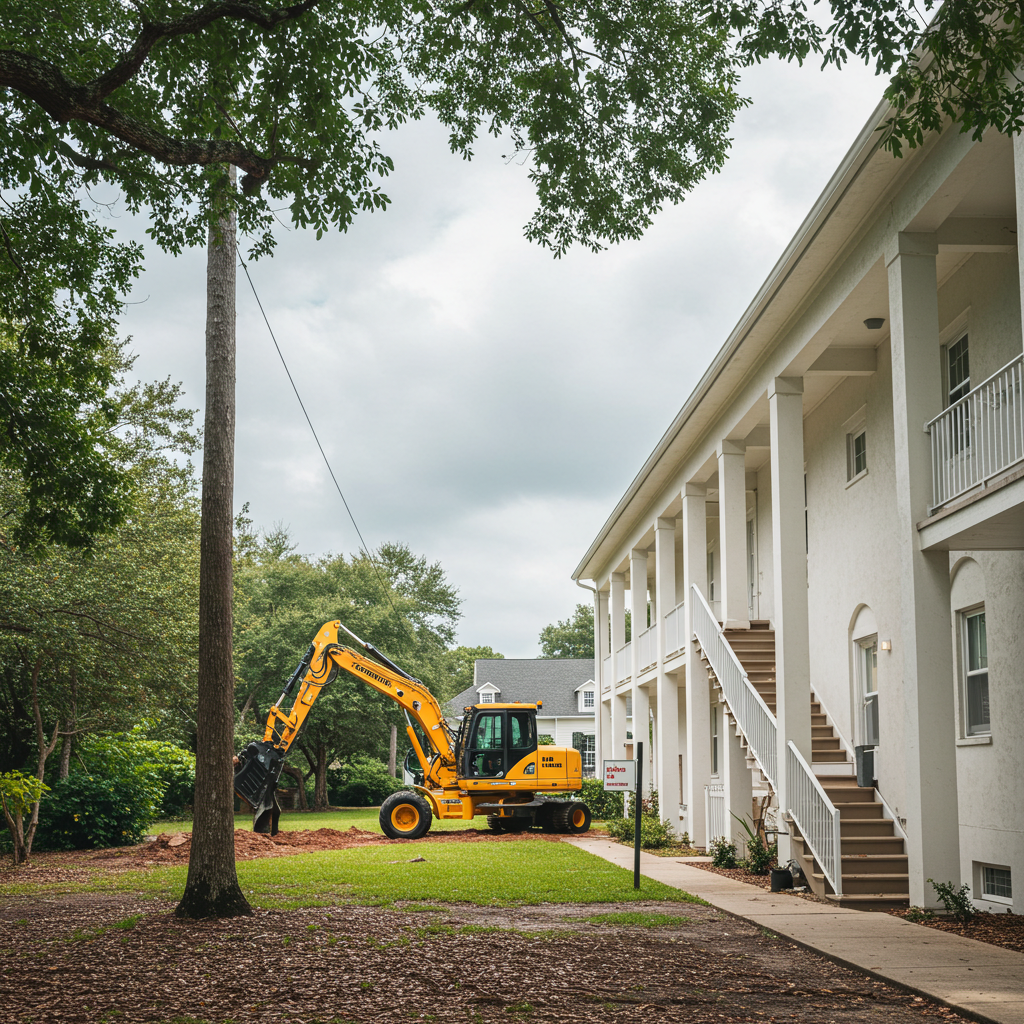
Protect Your Investment: Essential Tree Protection During Tampa Construction
Why is Tree Protection During Tampa Construction So Important?
Tampa's lush landscape, adorned with majestic oaks, palms, and other native species, contributes significantly to property values, environmental health, and quality of life. However, construction projects, whether a new home build, an addition, or even significant landscaping changes, pose immense threats to these valuable assets. Ignoring tree protection can lead to severe consequences:
- Irreversible Root Damage: The majority of a tree's critical feeder roots lie within the top 12-18 inches of soil and extend far beyond the drip line. Construction equipment, trenching, and soil compaction can easily sever or crush these roots, hindering the tree's ability to absorb water and nutrients.
- Soil Compaction: Heavy machinery and foot traffic compact the soil, reducing air pockets essential for root respiration and water penetration. This effectively suffocates the roots, leading to decline and eventual death, often years after the construction has completed.
- Trunk and Branch Injuries: Scrapes, cuts, and broken branches from equipment collisions create open wounds, making trees vulnerable to pests, diseases, and structural weakness.
- Altered Drainage and Water Table: Changes in grading can drastically alter water flow, leading to either waterlogging or drought stress for nearby trees.
- Chemical Contamination: Spills of concrete washout, paint, oil, or other construction chemicals can poison the soil and be absorbed by tree roots, causing immediate or delayed damage.
- Long-Term Decline: Even seemingly minor injuries can accumulate, weakening a tree's immune system and making it susceptible to environmental stressors, ultimately shortening its lifespan and increasing future maintenance costs.
Given the investment trees represent and their role in a property's appeal, proactive tree protection during construction is not just an aesthetic choice but a financially sound one for any Tampa homeowner or developer.
What are the Key Steps to Establish a Tree Protection Zone (TPZ) in Tampa?
Establishing a clearly defined Tree Protection Zone (TPZ) is the cornerstone of effective tree safeguarding during construction. This zone creates a buffer around the tree where no construction activity is permitted. Here’s how to implement it effectively:
1. Delineate the Critical Root Zone (CRZ):
- For most trees, the CRZ extends from the trunk out to at least the drip line (the outer edge of the tree's canopy). For mature trees, it's often recommended to extend this further, sometimes 1 foot for every inch of trunk diameter at breast height.
- A certified arborist from Tampa Tree Care Specialists can accurately assess and mark the CRZ for each tree, considering species, age, and specific site conditions.
2. Install Robust Barriers:
- Once the CRZ is determined, install strong, visible barriers around its perimeter. Orange construction fencing secured by steel posts is commonly used and highly effective.
- The barriers should be installed before any site work begins and remain in place until all construction is complete.
- No materials storage, parking, trenching, or excavation should occur within these barriers.
- Clearly post signage on the barriers, stating “Tree Protection Zone – Keep Out” to inform all personnel.
3. Educate Construction Personnel:
- Hold a brief orientation with all construction workers and subcontractors to explain the importance of the TPZ and the rules for working near trees.
- Emphasize the potential for fines or delays if tree protection protocols are violated.
4. Implement Ground Protection Measures:
- If access within the TPZ is absolutely unavoidable (e.g., for utility work), utilize ground protection such as a thick layer of mulch (6-12 inches) or heavy plywood sheets over compacted gravel. This helps distribute weight and reduce soil compaction.
- Ensure any temporary access paths are removed promptly.
By strictly adhering to these TPZ guidelines, you significantly reduce the risk of construction-related tree damage.
How Can I Prevent Common Construction-Related Tree Damage?
Beyond establishing a TPZ, several other proactive measures are crucial for protecting your trees from the most common construction hazards:
Preventing Root Severance and Compaction:
- Utilize Air Spading: When excavation must occur near tree roots, a specialized tool called an air spade can remove soil without damaging roots. This allows for root tracing and careful cutting by an arborist.
- Tunneling: For utility lines, consider tunneling beneath tree roots rather than trenching through them. This minimizes disturbance to the critical root zone.
- Bridge Elevated Structures: If paths or temporary roads must cross the CRZ, build a temporary bridge over the area to prevent soil compaction and root damage.
- Regular Monitoring: Periodically check the TPZ for signs of unauthorized entry, equipment encroachment, or any visible root damage.
Protecting Trunks and Branches:
- Wrap Trunks: For trees immediately adjacent to high-traffic areas or material storage, wrap their trunks with protective materials like burlap and lumber strapping to cushion against accidental impacts.
- Pruning for Clearance: Before construction begins, have a certified arborist conduct any necessary clearance pruning of lower branches that might be in the way of equipment or pathways. This prevents uncontrolled tearing of branches.
- Avoid Fastening: Never nail or fasten signs, ropes, or temporary structures to tree trunks or branches, as this creates wounds and compromises tree health.
Managing Water and Soil Conditions:
- Consistent Watering: Construction can be stressful for trees. Ensure trees within or near the construction zone receive adequate water, especially during Tampa's dry seasons.
- Mulching: Apply a 3-4 inch layer of organic mulch (like wood chips) over the entire CRZ. Mulch helps retain soil moisture, regulate temperature, and reduce compaction. Keep mulch a few inches away from the tree trunk.
- Prevent Chemical Contamination: Designate specific areas away from trees for mixing concrete, washing tools, and storing chemicals. Implement strict protocols for spill containment and cleanup.
By implementing these preventative strategies, you greatly enhance your trees' chances of surviving and thriving post-construction.
When Should I Call a Professional Arborist for Construction Tree Protection?
While DIY measures can help, certain situations absolutely necessitate the expertise of a professional, ISA-certified arborist, especially in a dynamic environment like Tampa:
- Pre-Construction Assessment: Before any work begins, an arborist can conduct a comprehensive tree inventory and risk assessment. They can identify valuable trees, recommend specific protection strategies, and prepare an official Tree Protection Plan that can be submitted to local authorities.
- Root Damage Mitigation: If roots are severed or damaged during excavation, an arborist can perform specialized root pruning techniques to encourage healthy recovery and minimize long-term impact. They can also advise on air spading for careful root exposure.
- Advanced Pruning Requirements: Clearing branches for equipment access or structural integrity should always be done by a professional arborist to ensure proper cuts that promote healing and prevent future problems. Improper pruning can be more damaging than helpful.
- Post-Construction Tree Care: After the project is complete, an arborist can assess the trees for any hidden stress or damage and recommend a long-term care plan, including fertilization, disease prevention, and ongoing structural evaluation.
- Permitting and Compliance: Many Tampa municipalities have strict tree protection ordinances. An arborist can help ensure your project complies with all local regulations, potentially saving you from costly fines or project delays.
- High-Value or Heritage Trees: For particularly valuable, mature, or heritage trees, the investment in professional arborist services is always worthwhile to ensure their survival.
- Any Signs of Decline: If trees within or near the construction zone start showing signs of stress (yellowing leaves, premature leaf drop, dead branches) during or after the project, immediate arborist intervention is crucial.
Protecting your trees during construction is an investment in your property's future. Don't leave the health and longevity of your valuable arboreal assets to chance. For expert advice, comprehensive tree protection plans, and skilled care during any construction project in the Tampa area, trust the certified professionals at Tampa Tree Care Specialists. We have the knowledge and experience to safeguard your trees, ensuring they continue to enhance your property for years to come. Contact us today for a consultation!
Need Professional Assistance?
Get a free, no-obligation estimate from our expert local team today.